Solving Yard Drainage Problems: How to Fix Standing Water in Michigan Landscapes
If your lawn turns into a swamp after every rainfall, you’re not alone — especially here in Michigan. Homeowners across Metro Detroit deal with soggy yards, flooded flower beds, and water pooling near their foundations, all thanks to dense clay soils and flat terrain. Left unchecked, standing water can kill grass, damage plant roots, and even seep into basements. This guide breaks down why drainage issues happen, what you can do to fix them, and when it’s time to call in a professional. Whether you’re looking for simple DIY fixes like trench drains, or exploring long-term solutions like regrading or hardscaping, we’ll help you reclaim a dry, healthy yard.
Why Does Standing Water Happen in Michigan Yards?
The Role of Clay-Heavy Soil in Holding Water
Michigan is known for its dense, compacted clay soil, which naturally holds water rather than letting it drain. Unlike sandy or loamy soil, clay has microscopic particles that cling to water and prevent percolation. This means that even after a light rain, your yard can remain saturated for days.
Common Grading Mistakes in Newer Builds
In many subdivisions and recently developed areas, the grading around homes isn't always optimized for water runoff. Builders may grade just enough to pass inspection, but not to prevent pooling. Small dips or flat areas around the foundation can act like basins, collecting water and pushing it toward your home.
Flat or Reverse-Sloped Yards Near Driveways or Walkways
Flat yards are more susceptible to standing water, but reverse slopes — where the land tilts toward the house instead of away — are even more problematic. Water follows gravity, so driveways and walkways that slope toward a structure funnel water exactly where you don’t want it.
Impact of Detroit’s Freeze–Thaw Cycle on Drainage Systems
Michigan winters add another layer of complexity. Water trapped in low areas freezes and expands, potentially damaging hardscapes and worsening drainage. Come spring, melting snow joins the mix, saturating already waterlogged soil.
"Even slight slope errors during installation can leave low spots that collect water all spring." – Rohto Field Tech
What’s at Risk If You Don’t Fix It?
- Lawn and Plant Death from Root Rot: Overly wet soil suffocates roots, preventing oxygen exchange. Even drought-tolerant grasses can’t survive long-term saturation.
- Basement Seepage or Foundation Cracks: Water pooling against your foundation increases hydrostatic pressure, which can lead to cracks, leaks, and long-term structural issues.
- Paver or Walkway Heaving: Freeze-thaw cycles expand and contract trapped water beneath surfaces, causing buckling or displacement.
- Mosquito Activity: Stagnant water is a breeding ground for mosquitoes and other pests, increasing your family’s exposure to bites and potential illness.
- Mold or Mildew Risks Near Home Edges: Persistent moisture around siding or foundations can create ideal conditions for mold growth and rot.
5 Smart Drainage Fixes That Actually Work
1. Grading and Soil Reshaping
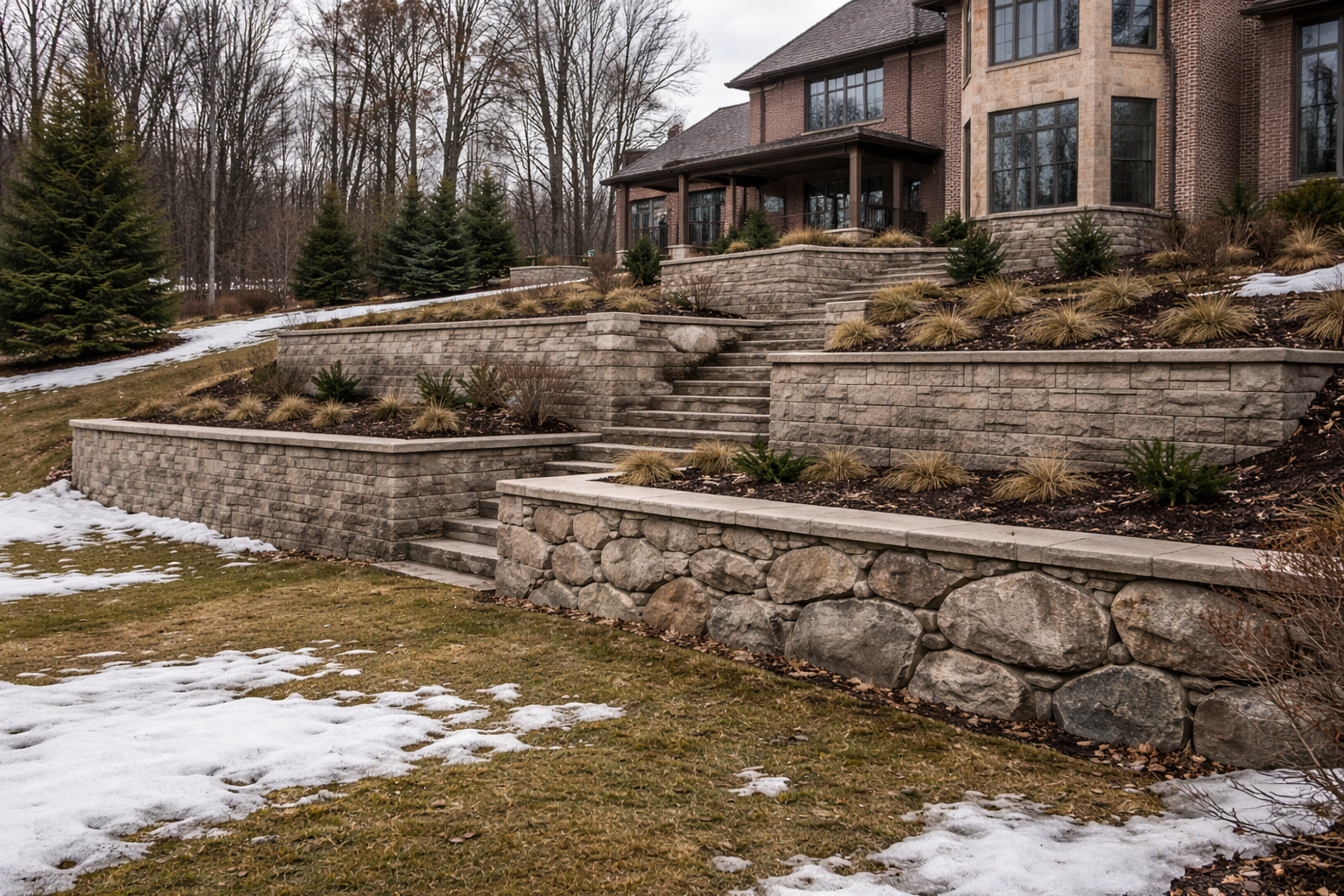
Regrading your yard is one of the most effective ways to ensure water flows away from key structures. This means building gentle slopes (a minimum of 2% grade) away from your home’s foundation and other hardscapes.
- Topsoil vs. Compactable Fill: Use compactable fill near the foundation to provide a solid base, then add topsoil for grass growth.
2. French Drains for Yard Low Spots
French drains use perforated pipes surrounded by gravel and wrapped in fabric to redirect water underground. They are ideal for:
- Areas between houses
- Bases of slopes
- Edges of patios and walkways
DIY vs. Pro Installation: While you can DIY a French drain with some basic materials, pros ensure proper slope, pipe depth, and long-term durability.
3. Dry Wells and Catch Basins
Dry wells store water temporarily, allowing it to seep slowly into the ground. Catch basins collect surface runoff and connect to drainpipes.
- Use cases: Under turf near downspouts, garden beds, and even driveways.
- Maintenance Tip: Periodic cleaning ensures flow isn’t blocked by leaves or sediment.
4. Rain Gardens for Natural Drainage
A rain garden uses deep-rooted native plants to absorb and filter stormwater. It works best in low-lying areas that naturally collect water.
- Best Plants: Coneflowers, black-eyed Susans, Joe Pye weed, switchgrass
- Design Tip: Frame the garden with river rock to blend visual appeal with function.
5. Permeable Hardscapes
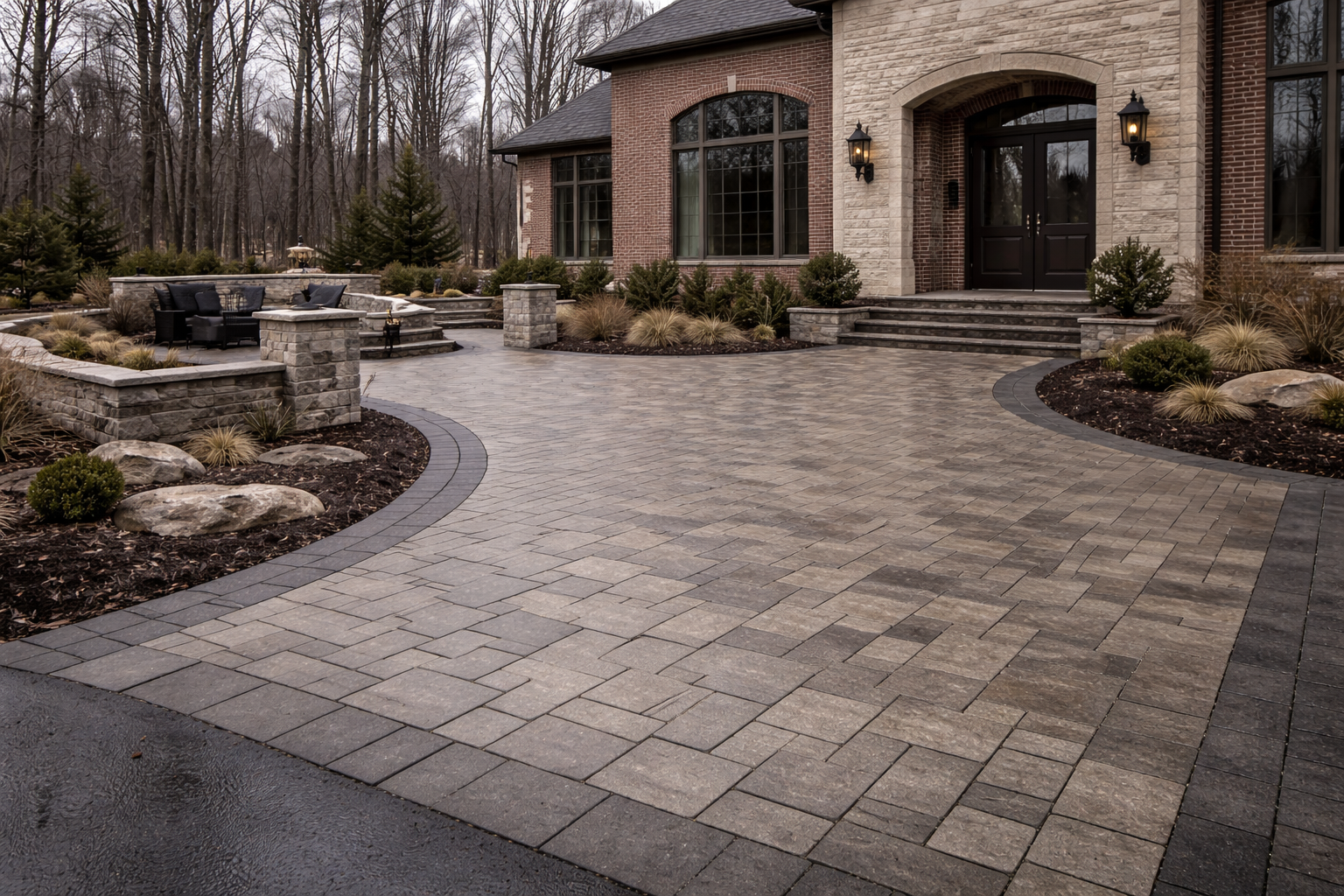
Traditional concrete and asphalt surfaces shed water. Permeable pavers, on the other hand, allow water to pass through joints into a gravel base below.
- Perfect for: Driveways, patios, and walkways
- Bonus: Reduces runoff and helps recharge groundwater

DIY vs. Pro: When Should You Call for Help?
- Basement or foundation moisture? Call a pro.
- Your yard slopes toward your home? You likely need regrading.
- Neighboring properties involved? A drainage plan may be required.
- Integrated Hardscaping: Planning a new patio or walkway? That’s the perfect time to combine design and drainage.
Rohto’s Process:
- Laser slope diagnostics
- Soil compaction testing
- Full property runoff mapping
Common Drainage Mistakes to Avoid
- Just Adding Mulch: Mulch absorbs some moisture but won’t solve underlying slope or soil saturation problems.
- Redirecting Water Toward Neighbors: Illegal and leads to neighbor disputes.
- Using Inferior Drainage Materials: Cheap pipes or poor fabric liners degrade quickly.
- Ignoring Freeze-Thaw Impact: Drainage systems must be winter-proof in Michigan.
Quick Checklist for Homeowners
Observe where water pools and when
Check for negative slope toward home
Mark problem spots before heavy spring rain
Research French drains and rain garden placement
Call a pro if you see foundation moisture or patio lifting
Conclusion / Next Step
Don’t let yard drainage headaches linger another season. Whether you’re planning DIY improvements or want expert help designing a full drainage and hardscape solution, the team at Rohto has the tools and experience to make it work — even in Detroit’s toughest clay soils.
→View our Landscape Installation Services
→Request a Free Drainage Consultation