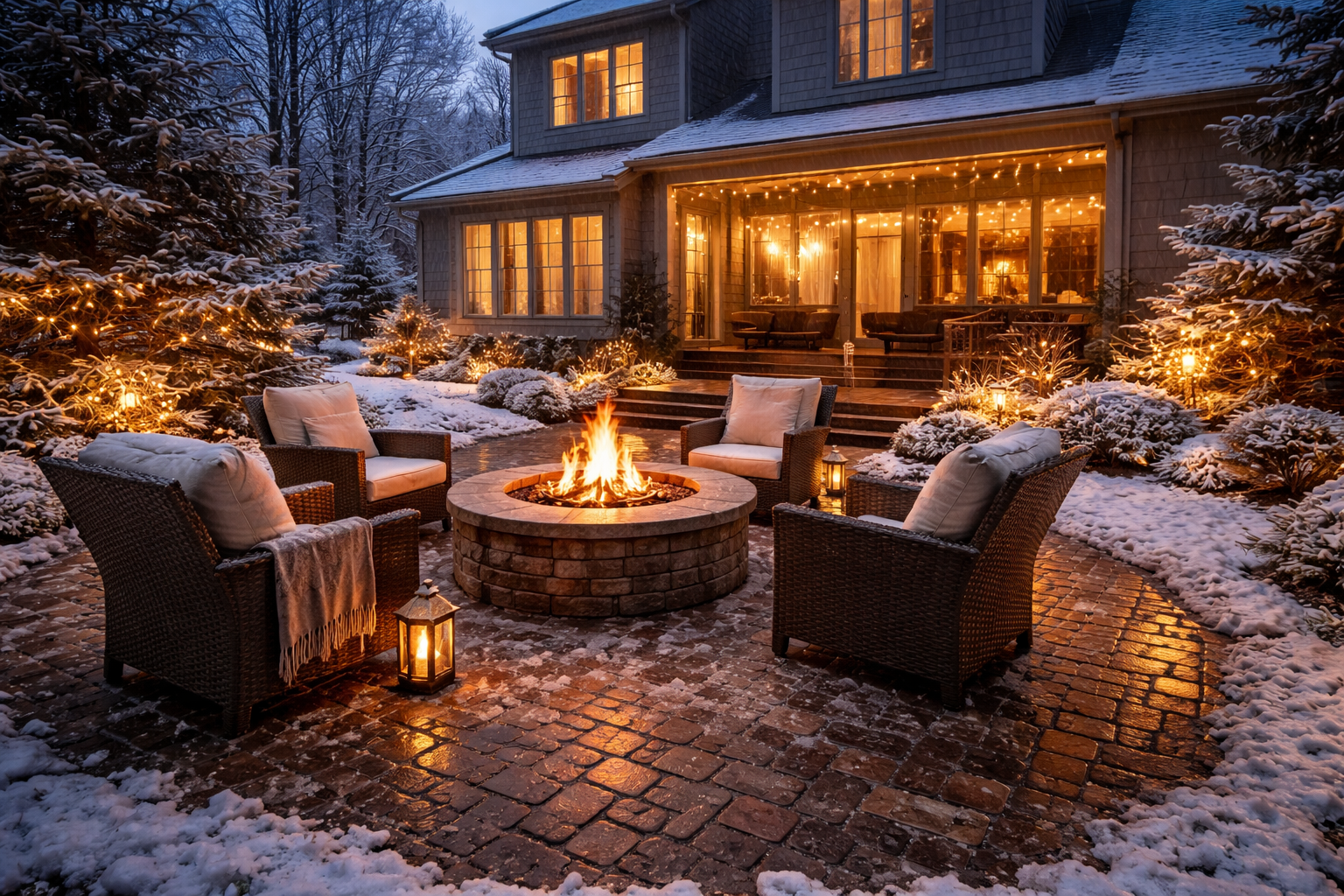
Deck And Patio Design In Michigan: How To Choose The Best Backyard Living Space For Your Home
You are staring at the back of your house in Metro Detroit and you know that space could be so much more than a patch of grass or a tired little concrete stoop. Maybe you imagine a grill station, a lounge area, a fire feature, or a place where the kids can hang out with friends. The real question is simple and stressful at the same time. Should you invest in a deck or a brick paver patio.
That decision is not just about looks. In Michigan, your choice has to survive clay soil, heavy rain, snow, ice, and real day to day use. A structure that seems affordable at first can turn into a long term maintenance headache. A surface that looks beautiful in a magazine can be slippery or unstable after a few winters if it is built the wrong way.
In this guide we will walk through deck and patio design with a clear focus on how each option performs in our climate. You will see how lifestyle, budget, Michigan weather, soil conditions, and long term maintenance all shape the right answer. By the end you will have a practical decision framework and real world examples from local backyards so you can move forward with confidence instead of guessing.
Deck Versus Paver Patio
Which Option Fits A Michigan Home Best
Before we get into the details, it helps to give a straight answer.
A deck is an elevated platform that is usually built from wood or composite boards on a structural frame. It shines when the main living level of your home sits well above the yard or when the grade drops sharply away from the house. Decks make it easy to step straight out from a kitchen or family room door without going down to ground level. They are ideal for walk out basements, raised ranches, and homes where a standard patio would feel far from the main living space.
The tradeoff is that a deck is more sensitive to moisture and exposure. Boards can swell, crack, and fade. Railings and fasteners age. In Michigan, snow, ice, and repeated freeze thaw cycles work hard on every exposed surface. You can absolutely keep a deck looking great for years, but it takes ongoing care.
A brick paver patio is a ground level hardscape. Multiple layers of compacted stone base support concrete or clay pavers that lock together to form a solid, flexible surface. When the base is engineered correctly, brick paver patios handle freeze thaw movement very well. Individual pavers can flex slightly without cracking the entire surface, and any damage is usually easy to repair by lifting and resetting a small section.
Patios excel when you want a strong connection to the lawn and garden. They step gently into the rest of the landscape. They are ideal for outdoor kitchens, fire features, and lounge zones that feel like an extension of the yard. In many Michigan backyards, a patio becomes the hub of outdoor living because it is stable, long lasting, and comfortable to walk on.
In simple terms
Decks are often the best answer when your door is high and you want immediate elevated access.
- Brick paver patios are often the best answer when your door is at or near grade and you want a durable outdoor room that blends into the landscape.
The rest of this guide breaks down why that is true for our clay soil, for Michigan winters, for busy families, and for long term cost.
How You Plan To Use Your Backyard Space
Before you think about price or materials, think about how you actually want to live outside.
Ask yourself a few questions.
- Where will people step out from the house most of the time. A kitchen, a family room, a basement door.
- Do you picture big gatherings with lots of people, or small quiet evenings.
- Do you want to lounge close to the lawn so kids or pets can move in and out easily.
- Do you prefer a view from above the yard or the feeling of being tucked into the landscape.
Lifestyle changes the answer more than many people expect. Here are a few examples.
Families with young children often love a ground level brick paver patio that spills directly onto the lawn. The kids can run back and forth between the grass and the seating area without stairs or railings. A patio also makes it easier to blend in features like a small play area, a low fire pit, or a path to a garden.
Homeowners who enjoy elevated views, who have a second story main level, or who have a significant grade drop away from the house may lean toward a deck. The ability to step out at floor level, set a grill near the kitchen, and look over the yard can be a big advantage. Later, a small landing patio at ground level can complete the picture.
Comfort also matters. Decks bring railings, stairs, and a sense of height. Some people love that airy feeling. Others feel safer and more relaxed at ground level. Patios bring you closer to the lawn, trees, and planting beds. Sun exposure, wind direction, and privacy from neighbors can all change whether a deck or a patio feels better in a specific yard.
Once you are clear on how you want to use the space every week, the design conversation gets much easier.
Michigan Climate And Soil
What Winter And Clay Do To Decks And Patios
A backyard in Metro Detroit does not live in a mild coastal climate. It lives in a place where soil is often clay, rain can be heavy, and winter temperature swings are part of life. Deck and patio design has to respect that reality or the structure will fail long before its time.
Michigan freeze thaw and moisture
Freeze thaw is a simple concept that causes complicated damage. When water gets into even small gaps in a material and then freezes, it expands. When it thaws, it contracts. Over and over, that movement can loosen fasteners, widen cracks, and stress joints.
Wood deck boards absorb water. Even if they are sealed, tiny checks and cracks in the surface eventually let moisture in. When temperatures drop, the water inside the board expands and can push those checks a bit wider. Over time, boards can cup, warp, or split. The structural frame of a deck is also affected. Posts, beams, and joists that sit over damp soil or tight to grade can stay wet for long periods and decay far more quickly than wood that has air movement around it.
Composite decking resists moisture better than wood, but it is still attached to a structure that has to stand up to freeze thaw movement. Fasteners can loosen. Rail posts can wiggle if they were not anchored correctly. Snow and ice that sit on any surface for months will test the quality of the build.
Clay soil and patio performance
Clay soil is a major character in every Michigan drainage and hardscape story. Clay particles are tiny and pack tightly. That makes clay hold water and swell when wet, then contract as it dries. If you were to lay pavers directly on clay, the surface would move and settle unevenly as the soil swells and shrinks.
That is why proper patio construction is non negotiable for brick paver patios. A well built patio is never installed directly on existing clay. The builder excavates to a calculated depth, installs layers of compactable aggregate stone, and compacts each lift carefully. This creates a strong, free draining base that sits between the moving clay and the paver surface.
Drainage layers and small adjustments to slope then guide water away from the house and away from the base. Joints between pavers are filled with sand that locks them together while still allowing a tiny amount of flex. When the freeze thaw cycle hits, the base can resist heaving and the surface can absorb minor movement without cracking like a solid slab.
Hardscape installation done this way takes more time and skill up front, but it is exactly what keeps a patio level and safe through winter after winter.
Salt, snow load, and ice control
In Detroit and surrounding communities, winter means snow shovels, snow blowers, and sometimes ice melt products.
On a wood or composite deck, you have to be careful with both snow removal tools and ice treatments. Metal shovels can gouge boards. Some deicing products can stain or damage finishes. Snow load on a deck structure is also a structural concern if the framing was not built to handle real winter conditions.
On brick paver patios, you can usually clear snow with a plastic shovel or a blower without harming the surface. Many paver manufacturers approve specific ice melt products that do not cause scaling or surface damage. Textured pavers and thoughtful layout around traffic patterns can also improve traction in slippery seasons.
Custom patios can be designed with non slip textures and patterns that direct water away from doorways. That is a small detail that has a big impact on winter safety.
In short, both decks and patios can be safe and functional in the snow, but they demand different care and different design choices.
Cost And Lifespan
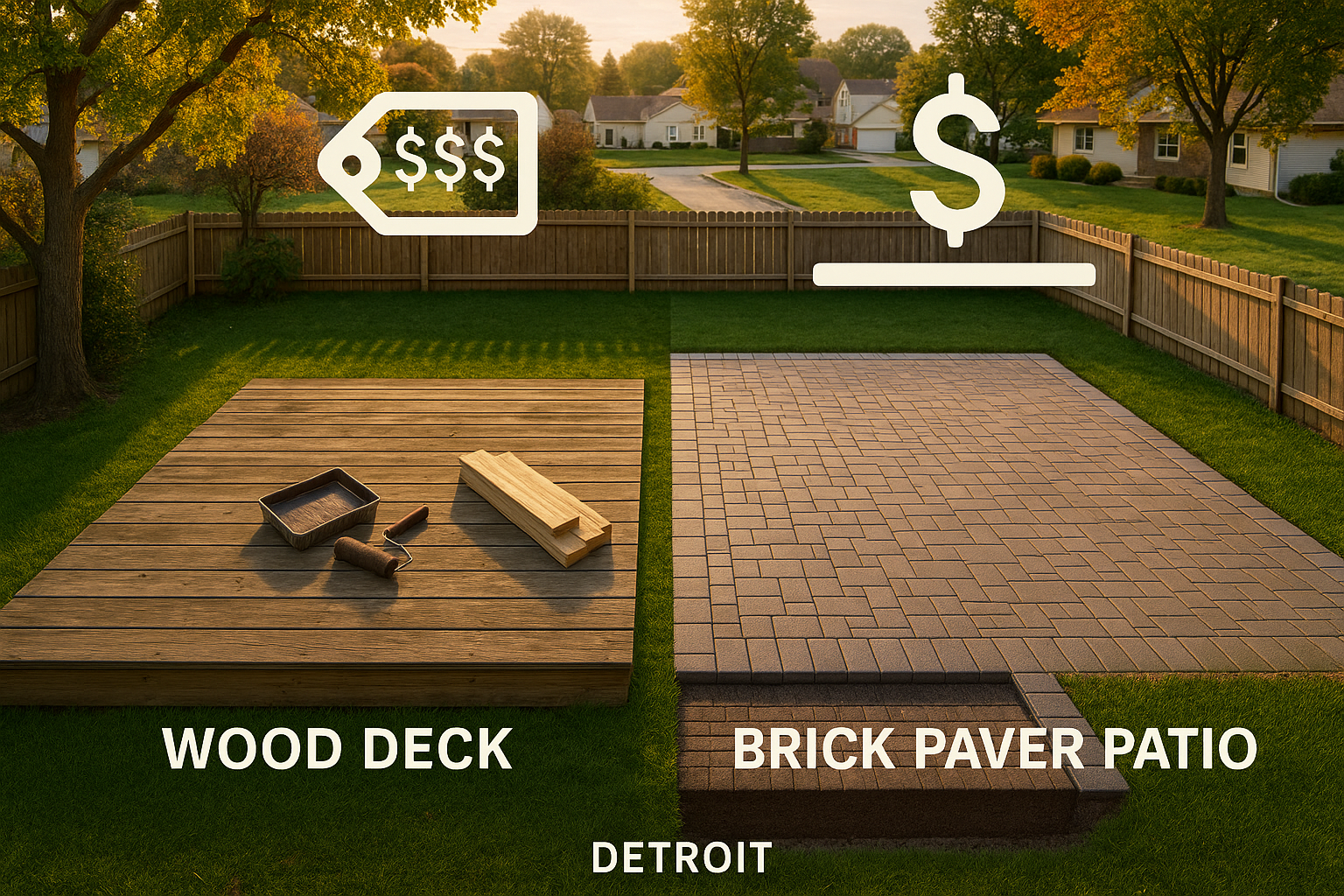
Deck Versus Paver Patio By The Numbers
No backyard decision is complete without talking about money. It is important to look at more than day one price.
Up front cost
Up front cost for a deck or a patio depends on multiple factors.
For a deck, size, height, access, material choice, and code requirements all add up. A simple, low platform with pressure treated boards and minimal railings will generally cost less than a tall deck with composite boards, heavy railings, and a long stair. Structural needs increase with height and spans, so material cost and labor rise.
For brick paver patios, base preparation, paver type, pattern, borders, and access all matter. A small rectangle in an open backyard with standard pavers is one thing. A large custom patio with inlays, steps, and seat walls is a larger investment, especially on tight lots where equipment access is limited.
In broad terms, a basic pressure treated deck can be less expensive up front than a high end brick paver patio of the same footprint. On the other hand, composite decking can match or exceed the cost of a well designed custom patio. The exact numbers depend on design and material choices in your specific yard.
Long term cost and maintenance
Long term cost is where the picture starts to change.
Decks ask for regular attention. Wood decks need cleaning and fresh stain or sealer on a repeating schedule. Boards may need to be replaced. Railings, fasteners, and stair treads can loosen or wear. Composite decking reduces some of this, but the frame and railing system still need inspections and repairs as years go by.
Brick paver patios have their heavier cost in that initial excavation and base build. After that, long term maintenance is usually more modest. Joint sand may need to be topped off occasionally. A reseal every so often can keep colors rich and protect the surface. If a small section settles or a utility line has to be repaired, you can often lift and reset the affected pavers without replacing the entire surface.
When you look at a span of fifteen to twenty years, the total cost of ownership for a patio can be very competitive, even if it cost more at the beginning.
Lifespan and resale value
With good care, a deck can last many years. That life span depends on the quality of the framing, the type of lumber or composite, how well it is protected from water, and how consistent the maintenance has been. Neglect can shorten that life dramatically.
Brick paver patios, when built on a proper base, are often viewed as permanent parts of the property. Because individual pavers can be reset, the surface can be kept in serviceable shape even if some movement or settlement occurs over time. Buyers read a solid, well designed paver patio as a long term improvement, not a temporary structure.
For resale, both decks and patios can add value when they feel like an intentional extension of the living space. A rotted or unsafe deck can do the opposite. A cracked slab with cheap furniture is also not helping. The quality of the design and build is as important as the label on the project.
Maintenance And Care
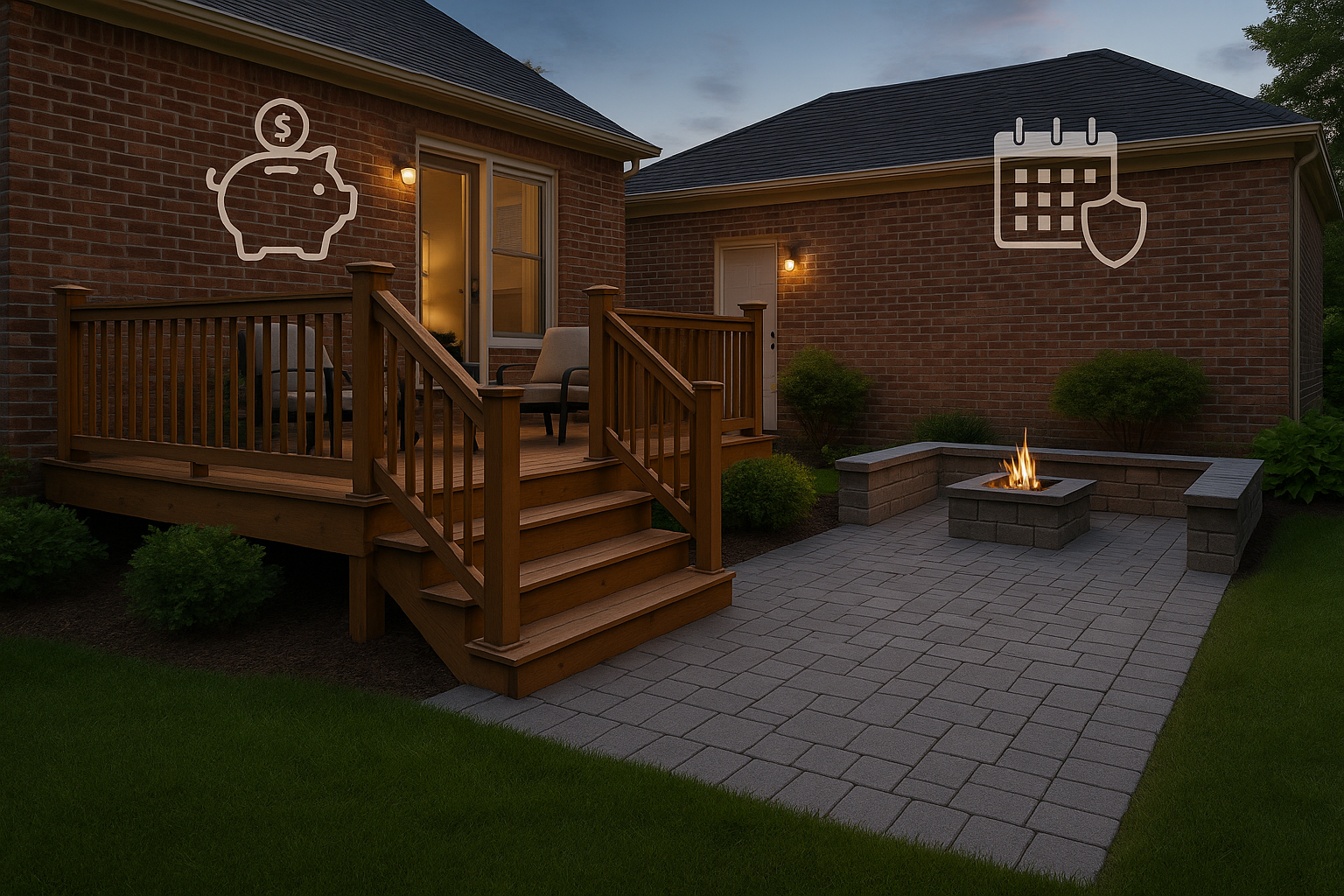
What It Really Takes To Keep Each Option Looking Good
Every outdoor surface will need some attention. The difference is how much, how often, and what kind.
Maintaining a deck in Michigan
A deck in Metro Detroit lives through four real seasons. To keep it safe and attractive, plan on a yearly rhythm.
- Spring inspection to check for loose boards, railings, or fasteners.
- Cleaning to remove mildew, pollen, and grime.
- Stain or sealer on a regular schedule for wood decks, especially horizontal surfaces that see standing water.
Snow and ice removal on a deck needs care. Avoid metal shovels that can gouge boards. Try to clear heavy snow before it turns to ice, both to protect the surface and to reduce weight on the structure. Do not chip aggressively at ice with sharp tools that can damage finishes or composite skins.
Maintaining brick paver patios
Brick paver patios have a different maintenance rhythm.
- A yearly check for any settling, trip edges, or loss of joint sand.
- Cleaning with a mild wash to remove dirt, algae, or stains.
- Occasional resealing depending on traffic, exposure, and product.
For snow removal, most patios do well with a plastic shovel or snow blower. When you work with a professional hardscape team, you can ask them which ice melt products are safe for your particular pavers. Many homeowners appreciate that any single paver that chips or cracks can be replaced without complex repair.
How lawn service and yard care affects your choice
Yard maintenance plays a role in how long both options look good. Regular mowing, edging, and cleanup around your outdoor living space keeps debris from building up and trapping moisture.
If you work with a professional crew for lawn service Detroit Michigan, talk with them about how they move equipment and how they treat your deck or patio edges. Careful trimming along pavers, smart blower use, and thoughtful movement of heavy mowers help protect the investment around your living space.
Many homeowners find that once they invest in a new backyard structure, they upgrade their overall maintenance plan so the entire property feels consistent.
Design And Comfort
Deck And Patio Design Ideas For Real Detroit Backyards
Once you understand structure and climate, you can have fun with design. This is where deck and patio design turns into a backyard that actually matches the way you live.
Design possibilities with decks
Decks give you height and layers.
You can step out from an upper level and walk right onto an outdoor room. Multi level deck layouts can create a dining zone near the door, a lounge a few steps down, and maybe a small landing that connects to the yard. Built in benches and planters soften rail lines and create cozy nooks. Shade structures, such as pergolas or partial roofs, can make a sunny south facing deck much more usable in summer.
Decks can also manage difficult grades. If your yard drops away steeply, building a safe, code compliant deck may be easier than trying to carve a large flat patio into the slope. When designed well, a deck can feel like a natural extension of your interior, with similar flooring directions, clear traffic patterns, and lighting that echoes the mood inside the home.
Design possibilities with brick paver patios
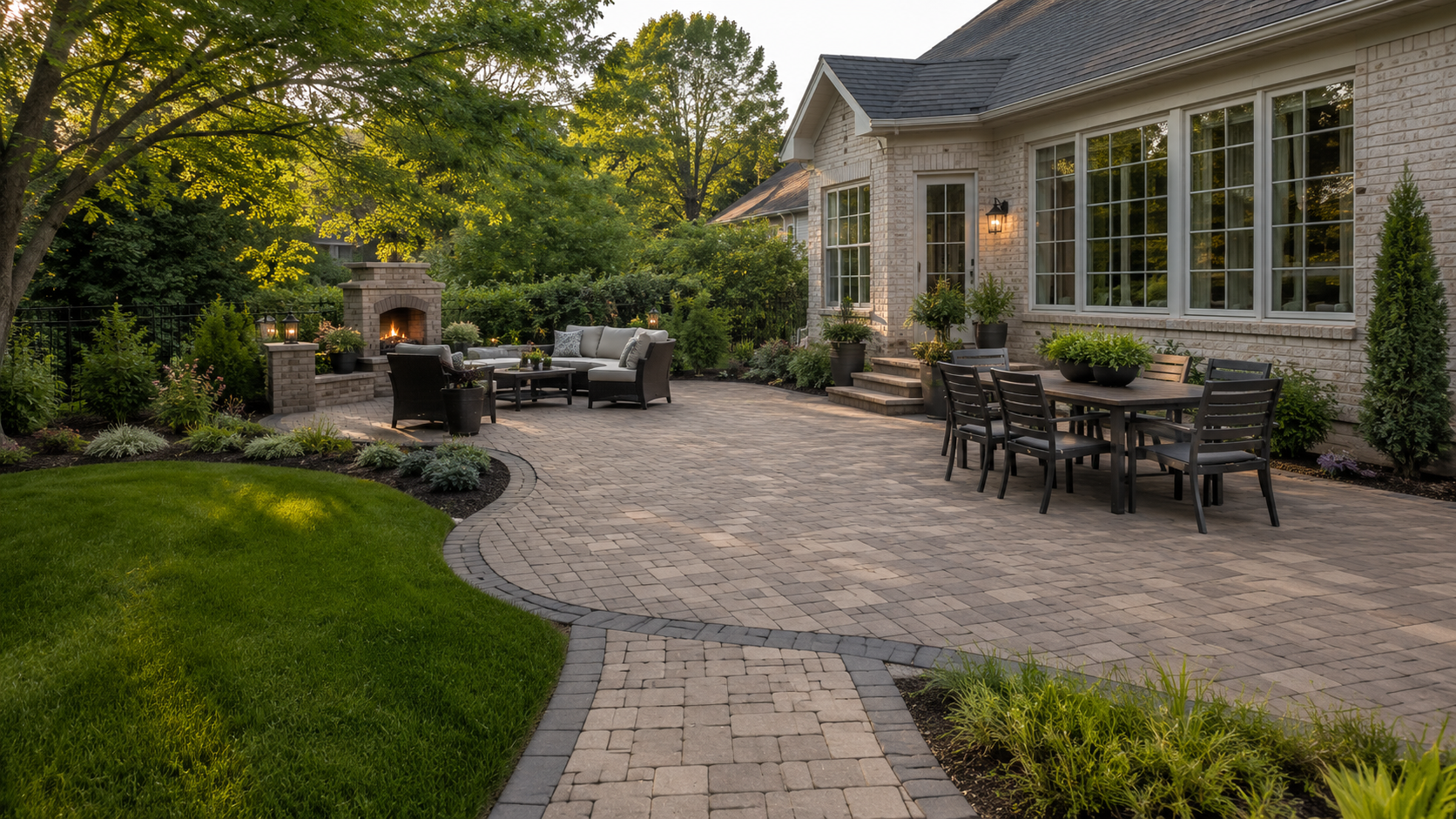
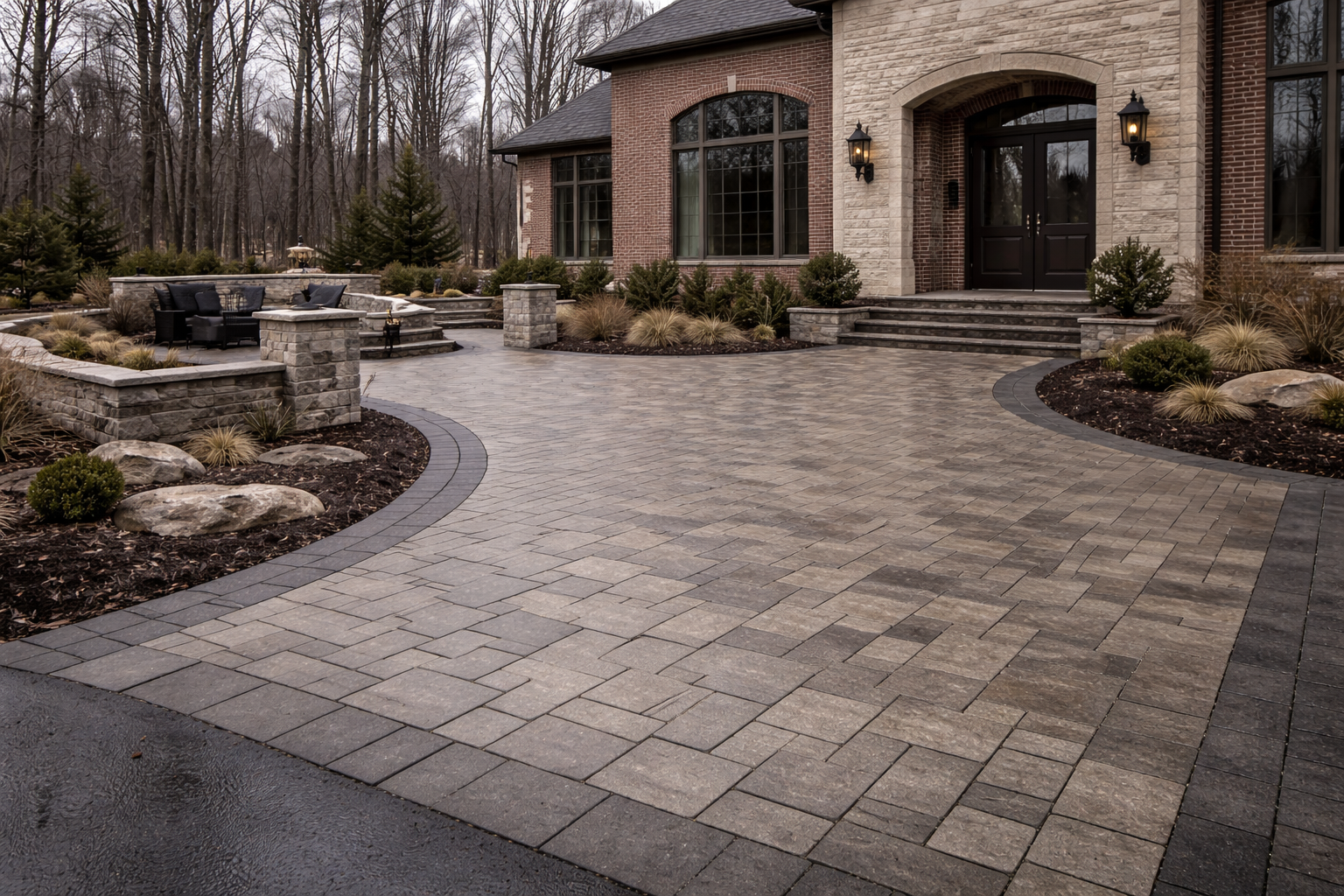
Brick paver patios bring endless material and layout options. You can create simple, clean rectangles or organic curves that echo your planting beds. Borders in a contrasting color define the space. Inlays and patterns can highlight a dining table area or the center of a lounge.
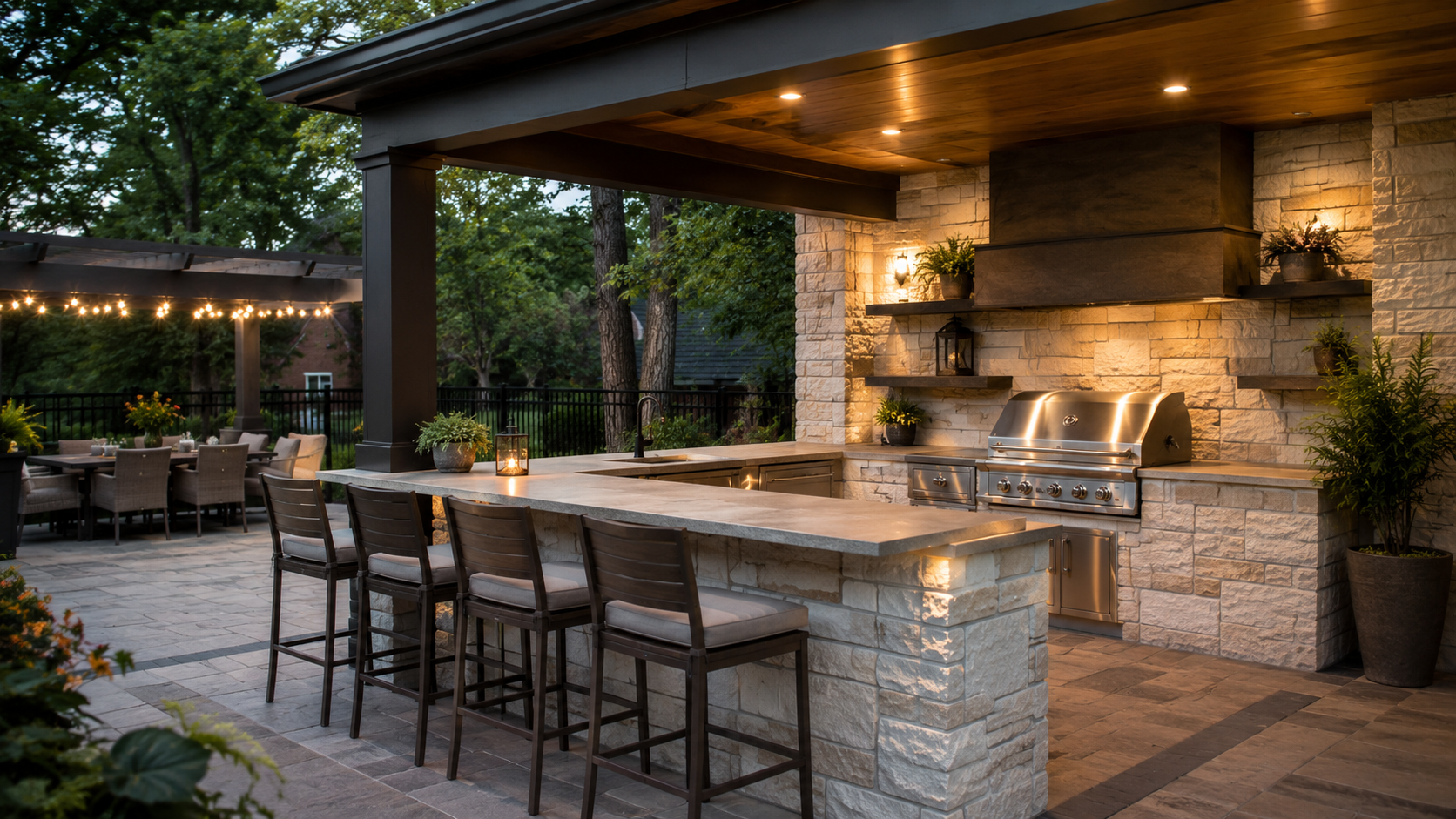
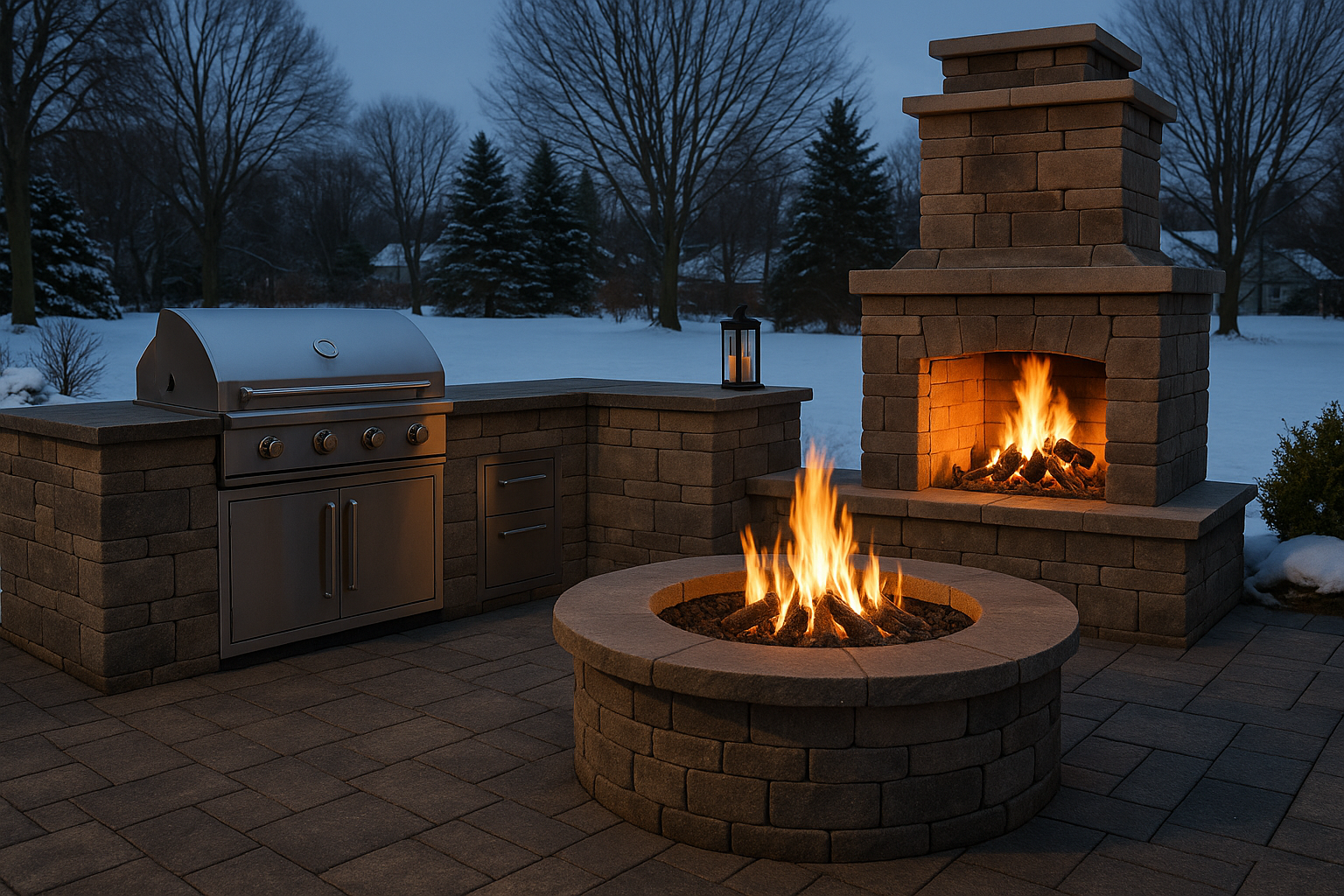
Custom patios easily integrate features that add real lifestyle value. Fire features, seat walls, outdoor kitchens, and low lighting can all be part of the original design instead of afterthoughts. Vertical elements in the same material palette, such as short garden walls or steps, tie the whole composition together.
When you design custom patios for Michigan weather, you can choose pavers with textures that feel good underfoot and provide secure footing in wet or icy conditions. Thoughtful layout away from downspouts and careful control of slopes protect both the home and the patio surface.
At this point in the post you can link naturally to your brick paver patios and walkways service page when you describe these options. A phrase like explore our brick paver patio design in Detroit works well as anchor text.
Connecting driveways and walkways to your living space
A backyard does not exist by itself. Driveways and walkways are part of the overall flow. When you plan new hardscape, think beyond a single rectangle behind the house.
You might create a gentle paver path from the driveway around the side of the house to the main patio. You could connect a front walk to a side gate and then to a rear lounge. When hardscape planning takes the whole property into account, daily life feels simpler. Guests know where to walk. Delivery people have a clear route. You are less likely to tramp through wet grass in dress shoes.
One practical example
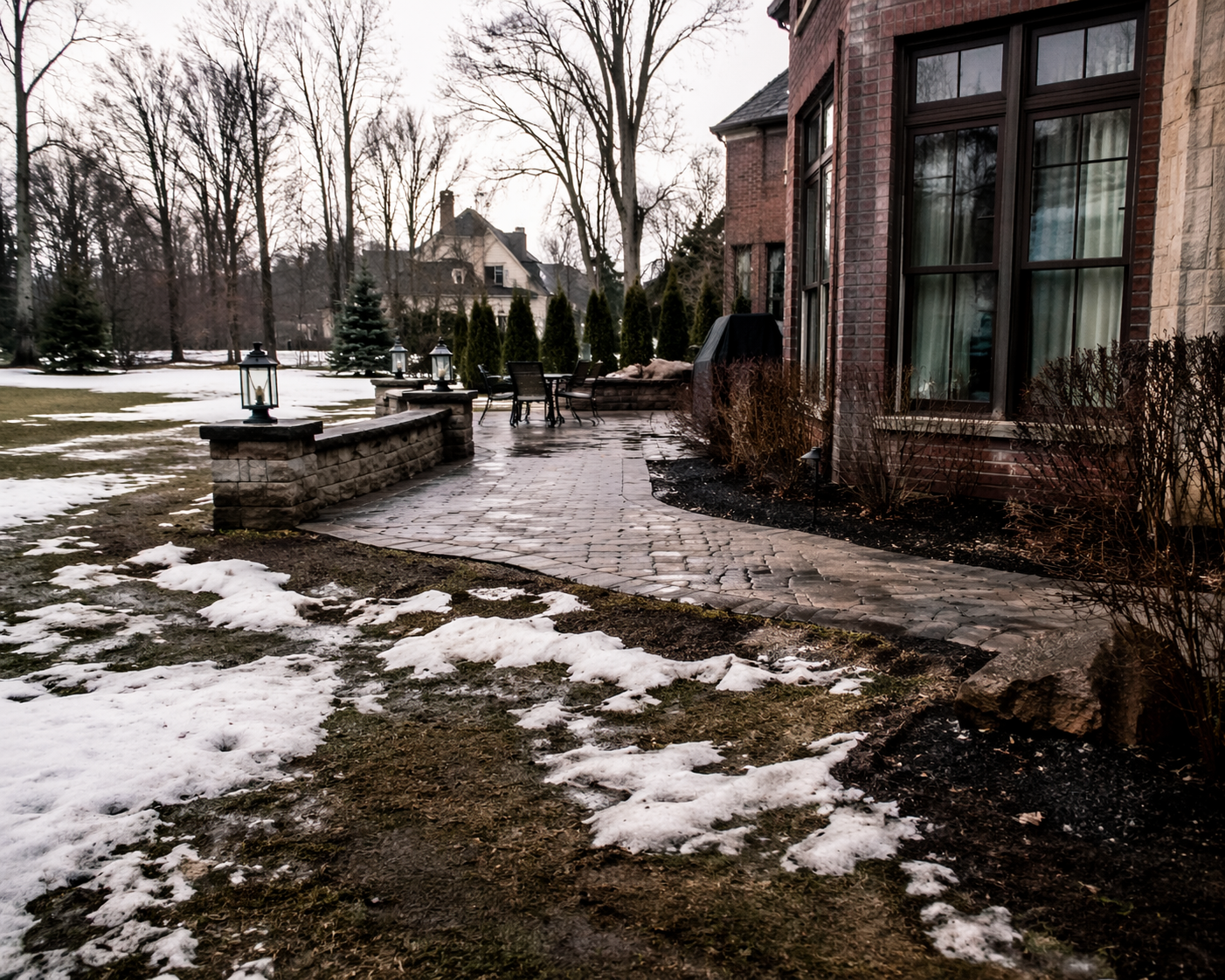
A Detroit client with a small existing wood stoop chose to remove it and install a full width paver patio at the back of the home. The new brick paver patio connects directly to a curved walkway that ties into the driveway. Groceries, strollers, and guests all flow naturally from car to kitchen without mud, stairs, or awkward turns. The change improved daily function as much as it improved aesthetics.
How Your Lot And Home Layout Influence The Right Choice
Beyond lifestyle and climate, physical layout matters.
Sloped and uneven yards
If your backyard drops sharply away from the house, a deck can be an efficient way to create level space without extensive excavation. A well designed deck can float above a slope and still provide safe access down to the yard through stairs.
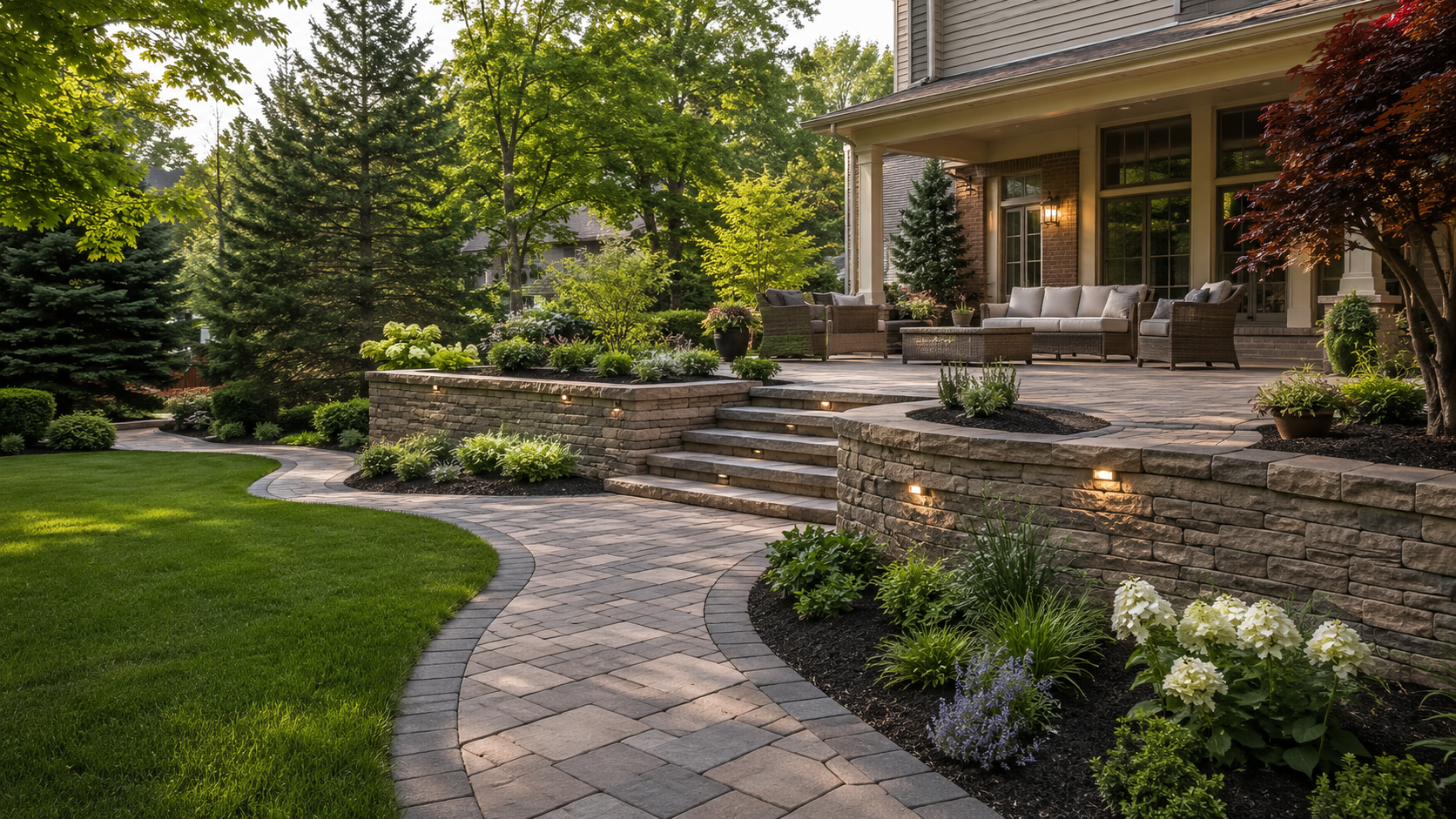
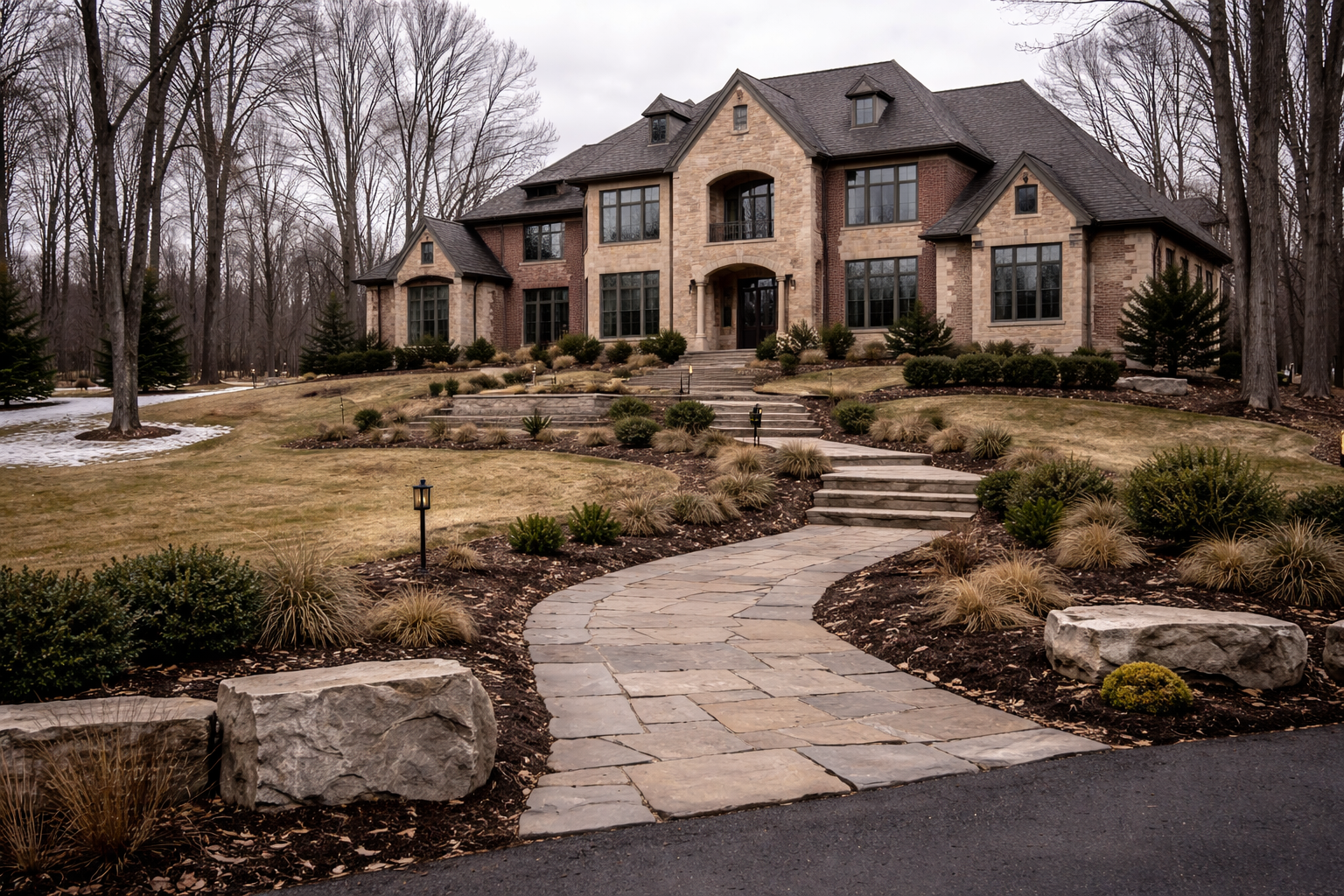
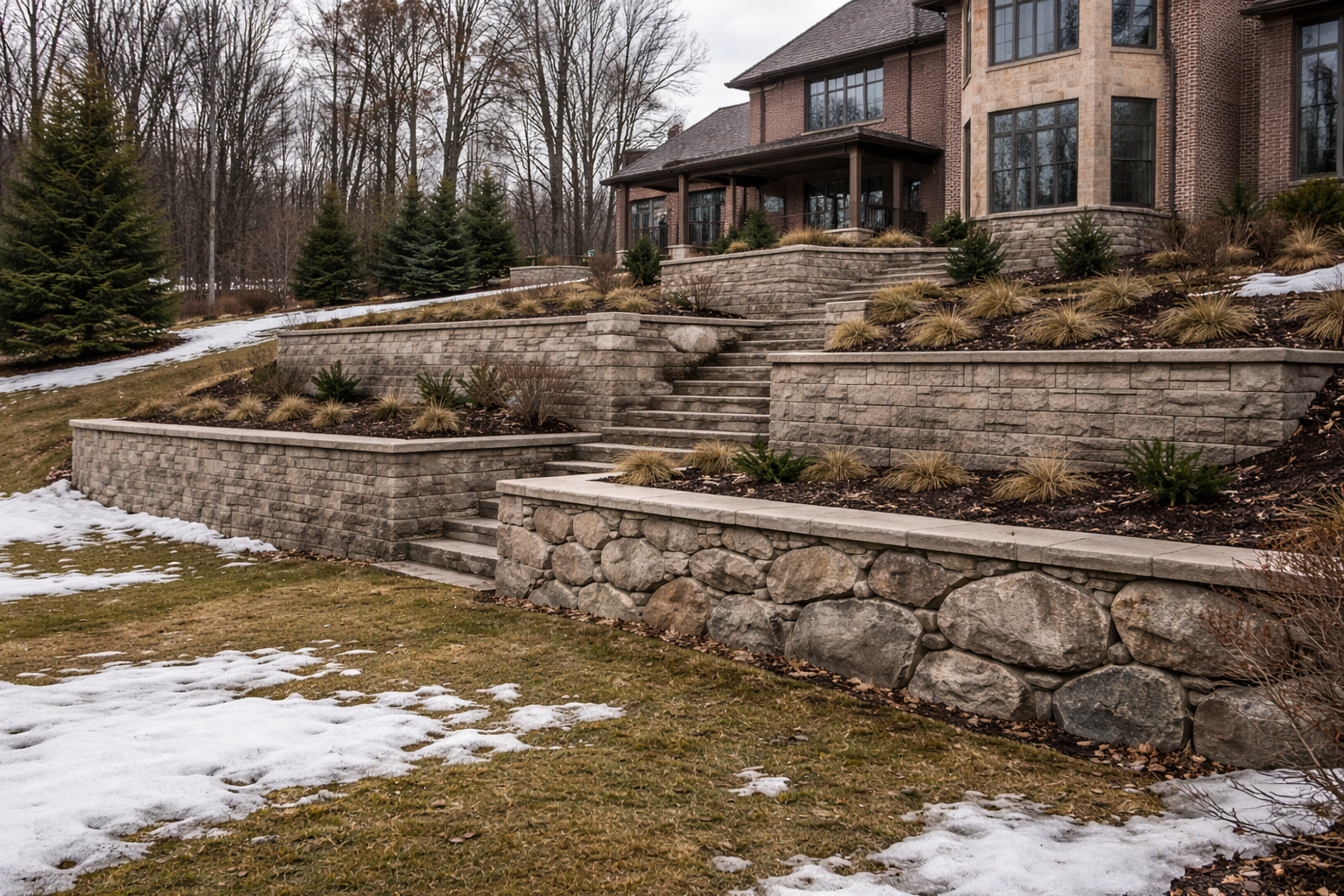
In other cases, terraced brick paver patios can turn a slope into a series of flat outdoor rooms. A main patio near the house, a small landing for a fire area, and a lower garden patio can stack along a hillside. Retaining walls, steps, and thoughtful planting then stitch everything together.
The key is to respect the existing grade and choose the structure that works with it instead of fighting it.
Access and build logistics
Projects need room to be built. Narrow side yards, overhead wires, mature trees, and utility lines all change how equipment reaches your backyard. If large excavation machines cannot get in, patio work may take more manual labor. If you have tight overhead clearance, deck installation may require extra planning.
A good contractor will walk the site, look at access, and explain how that affects your options. Sometimes the smarter choice in a specific yard has more to do with build logistics than with theory.
Local rules and codes
Decks are usually subject to building codes. That can mean permits, structural inspections, specific footing depths, railing heights, and load requirements. This is a good thing for safety, but it adds cost and complexity.
Patios typically have fewer structural code requirements, but that does not mean there are no rules. You still need to respect property lines, easements, and drainage patterns. In some cities, extensive hardscape may have to meet stormwater rules.
You do not need to navigate this alone. One of the jobs of a professional is to make sure your project meets local requirements and will not cause issues in the future.
Five Question Decision Guide
Deck Or Paver Patio
At this point, you have a lot of information. This simple checklist can turn it into a direction.
Ask yourself
- What is the elevation of the main door that will serve this space. If it is several feet above grade, a deck may be more natural. If it is close to ground level, a patio may fit better.
- Do you prefer being level with the lawn or above it. If you like a nest like feel close to the garden, brick paver patios are strong. If you want a view and a bit of separation from the yard, a deck might feel better.
- How much ongoing maintenance are you willing to handle. If you already know you will not keep up with regular wood care, a carefully built patio may line up better with your habits. If you enjoy carpentry and refinishing work, a deck can stay beautiful with that attention.
- Are you thinking of this project as a short term solution or a twenty year investment. If you expect to be in the home for a long time, it is worth focusing on structures and materials that will age well and support changes in how you use the yard.
- Does your yard drainage and soil condition favor a raised structure or a carefully engineered patio base. If you already have standing water problems near the house, a combined plan that includes grading, drainage, and hardscape design will matter more than the label deck or patio.
If most of your answers lean in one direction, that is a strong clue. A site visit from an experienced landscape company can then confirm that choice and fine tune the details.
Frequently Asked Questions
Which lasts longer in Michigan, a wood deck or a brick paver patio
With proper care, both can last many years, but they age in different ways. A wood deck is more vulnerable to moisture and sun, so boards and railings need regular attention. A well built brick paver patio sits on a stable base and allows individual pavers to be reset or replaced if something shifts. Over the long term, a patio with a proper base often stays functional and attractive for decades with less intensive maintenance.
Can I put a hot tub on a deck or should it sit on a patio
Hot tubs are heavy, especially when filled with water and people. A deck can support a hot tub only if the structure is specifically engineered for that load with appropriate beams, joists, posts, and footings. Many homeowners find it simpler and safer to place a hot tub on a reinforced paver or concrete pad at ground level. Brick paver patios can be designed with extra base depth and compaction in the hot tub zone to handle that weight.
Is a paver patio slippery in winter
Any surface can be slippery with ice on it, but paver patios give you options. You can choose textures and finishes that provide good grip even when wet. Patterns that direct water away from entrances and low spots help reduce icy patches. Proper snow removal and careful use of ice melt products complete the picture. In many cases, a textured brick paver patio offers better winter traction than a smooth poured slab.
Can I replace an old deck with a brick paver patio in the same area
Often yes, but there are details to check. You need enough vertical drop from the door to create a proper step down to the new patio surface. Drainage patterns around the foundation must be designed correctly so water does not flow toward the house. Access for excavation equipment is another factor. A professional landscape and hardscape team can evaluate your specific situation and show you how the transformation would work.
Conclusion And Next Steps
Choosing between a deck and a paver patio in Michigan is not about which option wins online debates. It is about which structure fits your house, your yard, your lifestyle, and your climate.
Decks shine when doors are high, slopes are steep, and elevated views matter. Brick paver patios shine when you want a ground level outdoor room that feels permanent, connects to the lawn, and handles freeze thaw movement with ease.
More important than the name on the project is the quality of the deck and patio design and the quality of the construction behind it. A thoughtful plan that includes drainage, soil conditions, access routes, and long term maintenance will always beat a quick one size fits all build.
If you are ready to explore options for your own backyard
- Visit your brick paver patios and walkways service page to see what is possible with
hardscape design in Detroit.
- Review your
residential landscaping Detroit page to understand how planting, lighting, and structure come together as a complete outdoor space.
- Schedule a backyard design consultation so a professional can walk your property, listen to how you want to live outside, and turn this comparison into a custom plan.
The right outdoor living space can change the way you use your home for years. A clear, honest comparison is the first step toward building it well.