Luxury Landscaping: What Actually Drives Cost (Design, Materials, and Site Constraints)
A luxury outdoor project rarely becomes expensive because of one dramatic feature. More often, the budget grows for quieter reasons: a plan that isn’t fully resolved before crews arrive, a site that forces extra logistics, or “small” material upgrades that multiply across hundreds of square feet.
This article breaks down what truly drives pricing in Metro Detroit, without pretending there’s one universal number. If you’re trying to understand why two proposals can look similar on the surface but land far apart in cost, the answers are usually in design depth, material decisions, and site constraints. The goal here is simple: give you a clear way to evaluate scope, ask better questions, and make choices that protect both the finished result and the investment.
Before pricing: what “luxury landscaping” usually includes (and what it doesn’t)
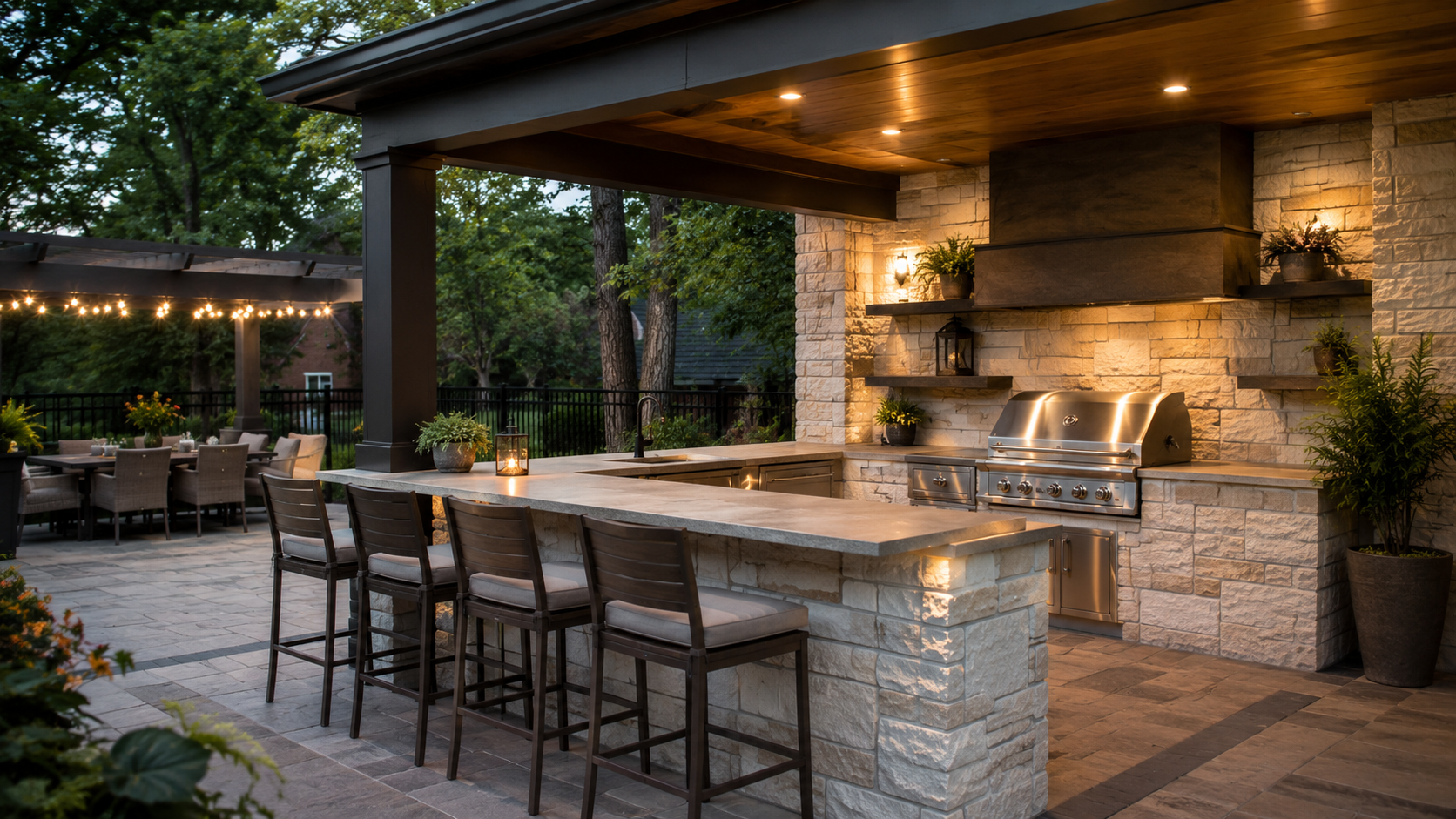
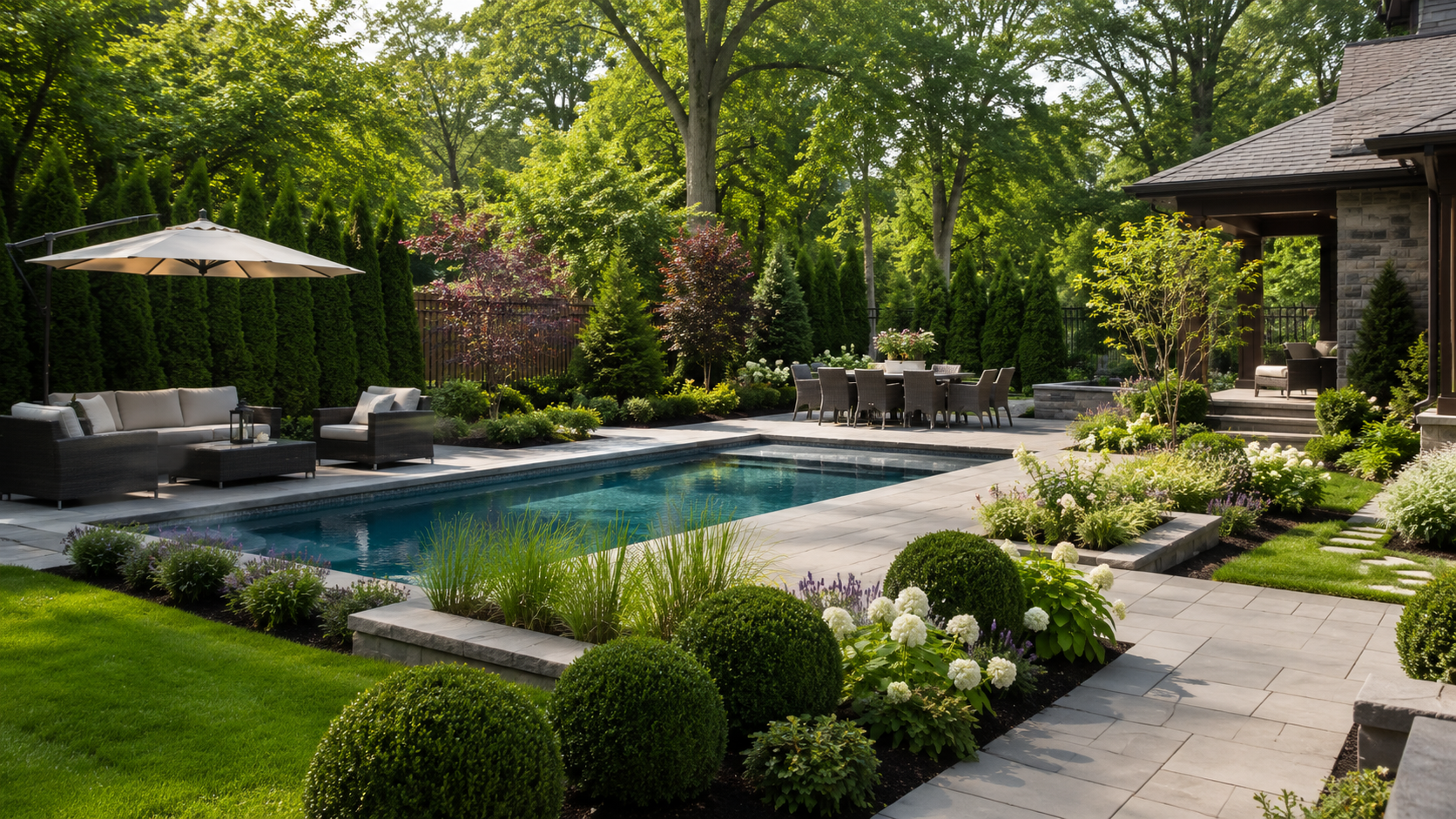
Luxury is not a single feature. It’s the cumulative effect of a cohesive plan, durable construction, and detailed finishing, executed in a way that looks intentional in every season. When people search luxury landscaping, they’re often trying to translate a feeling (“high-end,” “clean,” “finished”) into real decisions and real costs.
The difference between a simple refresh and a full outdoor build
A refresh is typically cosmetic: replacing tired plantings, reshaping beds, updating mulch or stone, and making targeted improvements. A full outdoor build is systems-level work—grading, drainage, base preparation, hardscape installation, lighting, irrigation, and planting that’s sized and placed to mature correctly.
Those categories matter because they determine whether pricing is mostly materials and labor at the surface, or whether the project includes hidden work that makes everything above it stable.
Where “luxury landscape” expectations typically show up first
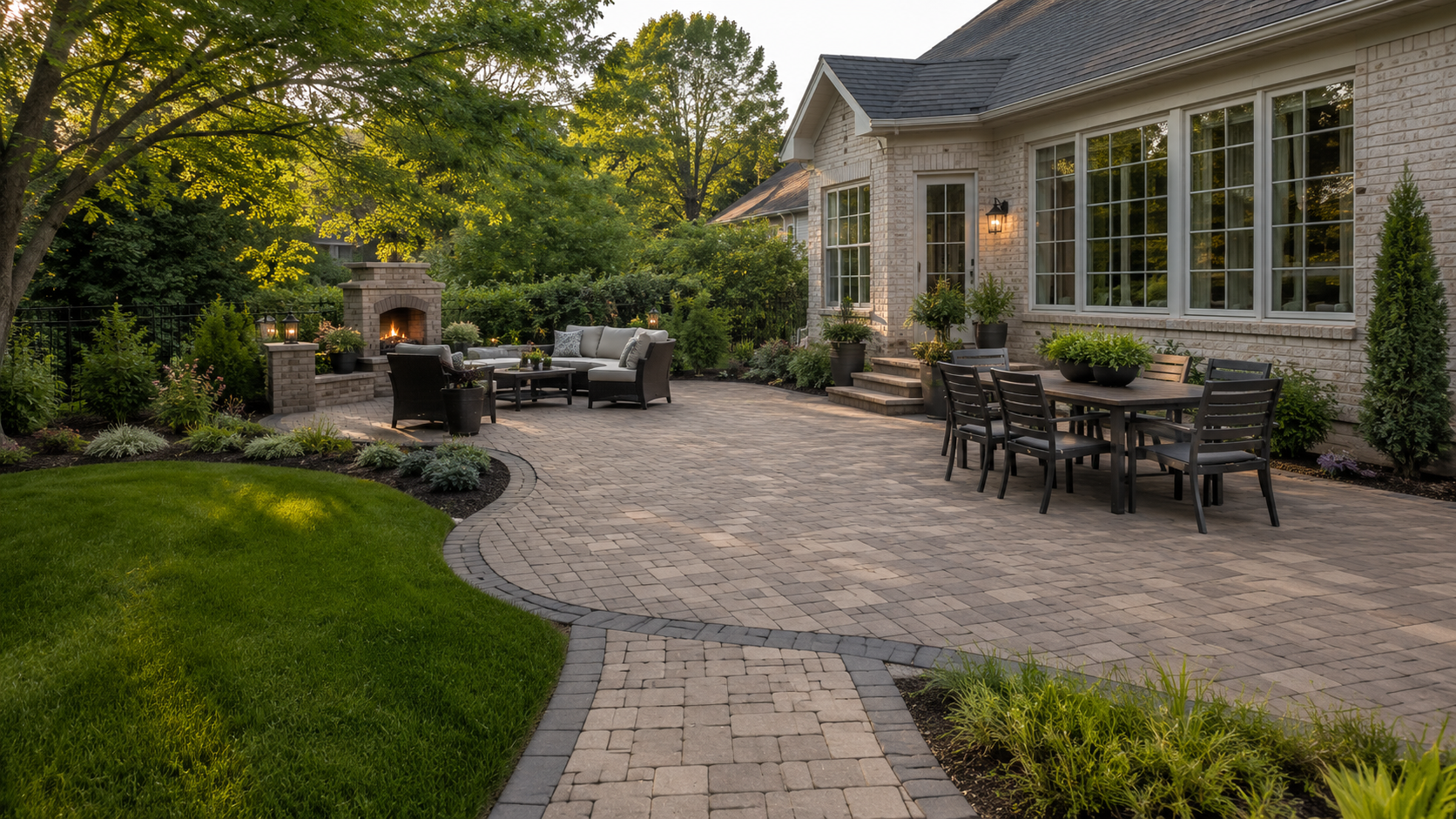
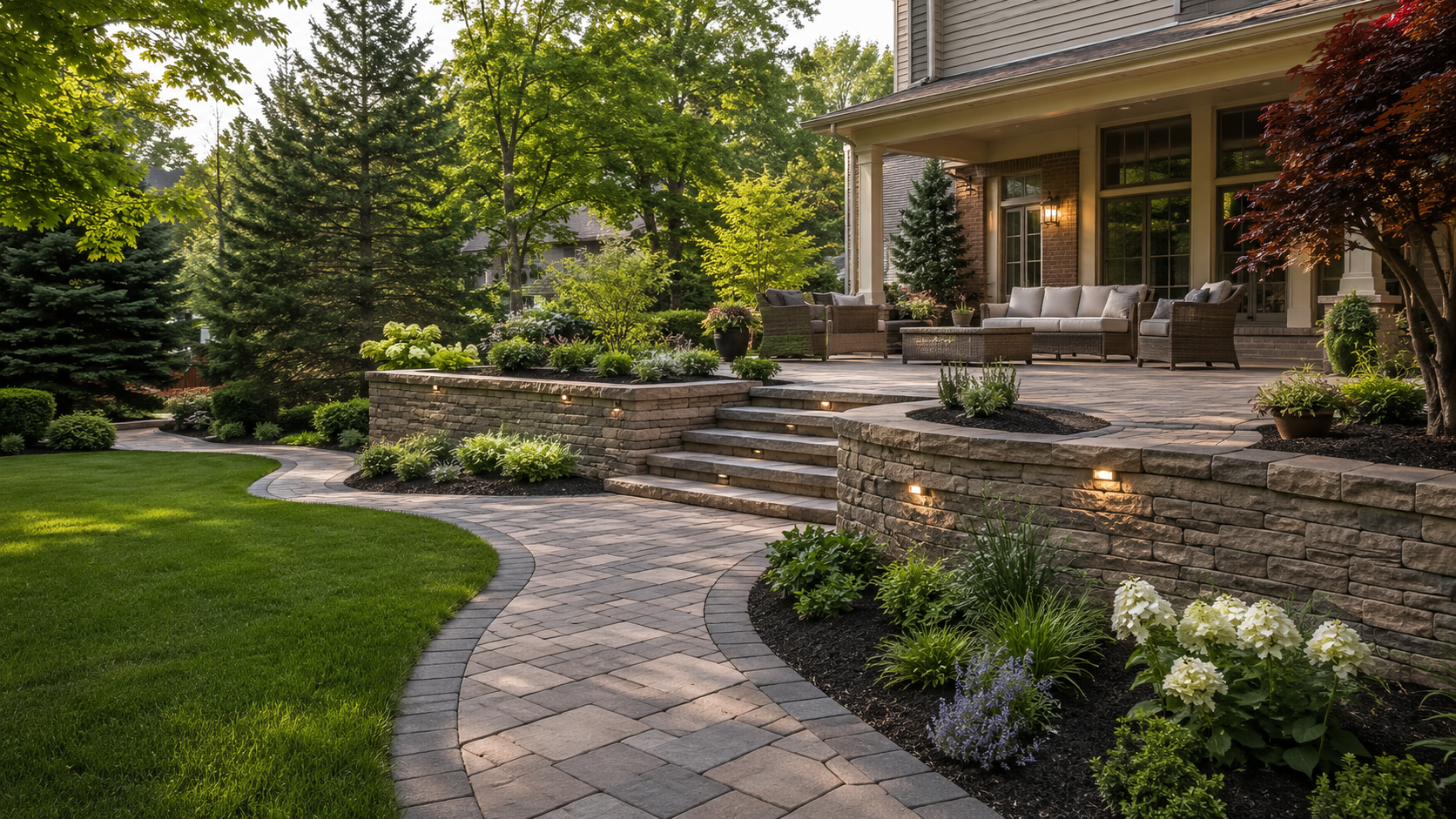
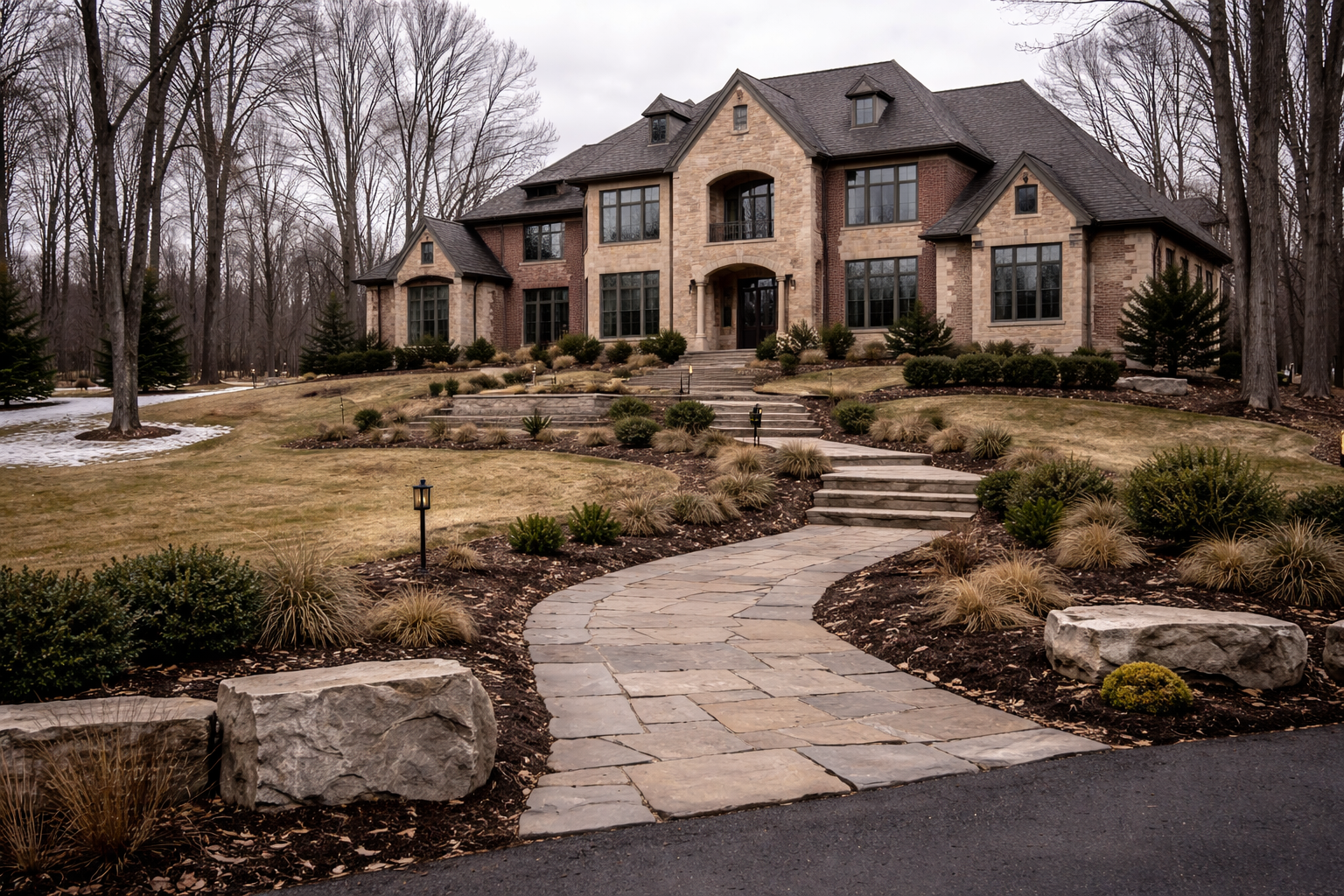
Most high-end projects reveal themselves in transitions and edges: how a patio meets a lawn, how steps land, how walkways align with doors and sightlines, how plantings frame architecture rather than compete with it. A luxury landscape doesn’t rely on volume. It relies on restraint and clarity.
Those expectations affect cost because they require more planning, more layout time, and more precise installation. Tight tolerances and clean lines take longer than “close enough,” and they tend to demand better base work.
How “residential landscaping” goals change the scope (function, privacy, entertaining, maintenance)
In residential landscaping, cost is often shaped by lifestyle. A household that entertains frequently prioritizes circulation, lighting, and durable surfaces. A household with kids or dogs prioritizes turf performance, drainage, and materials that hold up to daily use. A household that travels prioritizes low-maintenance planting and automation.
The more clearly those priorities are defined, the easier it is to design a project that doesn’t overbuild in the wrong places.
The cost drivers that move the number the fastest
You can think of the budget as the outcome of five major drivers. When any of these change, pricing can shift quickly—even if the final photos you’re imagining look similar.
Design depth: why some plans stay simple and others become full systems
Design depth is the difference between an attractive concept and a buildable plan that anticipates grades, materials, and construction sequencing. A simpler plan can be right for a smaller project. But on larger properties—or when you’re integrating multiple features—insufficient design detail often becomes expensive later through rework and change orders.
Materials: what changes when finishes, edging, lighting, and stone move up a tier
Upgrading materials isn’t just a line item. It affects installation methods, base requirements, and often the amount of time crews spend on fit and finish. A premium stone with tighter jointing standards doesn’t install like a budget paver. A refined edge detail can increase labor substantially. Lighting, even when “minimal,” can add meaningful complexity once wiring, transformers, and placement are properly planned.
Site constraints: access, staging, and what you can’t see from the street
On many Metro Detroit properties, site access is a major cost factor. Narrow side yards, limited driveway space, and the need to protect existing features can force smaller equipment, more hand labor, or more days of staging. These aren’t glamorous details, but they affect labor hours and timeline reliability.
Grading and drainage complexity: the hidden line item that can reshape the whole plan
Drainage and grading aren’t optional if the site needs them. They’re foundational. Fixing water movement can involve excavation, sub-base engineering, drain lines, catch basins, and regrading that changes elevation relationships across the yard. If a proposal addresses drainage properly, it may look “more expensive” than one that sidesteps it—but it’s often the difference between a project that lasts and one that becomes a recurring problem.
Phasing vs. one-time build: how sequencing impacts total cost and disruption
Phasing can make a large vision achievable. It can also introduce inefficiencies if phases require repeated mobilization, temporary transitions, or rework to connect later features. A good phased plan anticipates those handoffs so the first phase doesn’t need to be undone when the next begins.
Design depth: the part most homeowners under-estimate
Design is not a mood board. It’s the work that prevents expensive surprises once construction starts.
Concept vs. construction-ready design (and why that matters on install day)
A concept plan can show layout and style direction. A construction-ready plan defines elevations, slopes, material specs, and the details that keep crews aligned. Without that clarity, the build can drift into “field decisions”—which are rarely ideal when you’re paying for high-end execution.
Construction-ready design matters most when you’re integrating multiple hardscape areas, changes in elevation, drainage fixes, and lighting. These components interact. A patio that looks perfect on paper can fail on site if elevations don’t account for water runoff or door thresholds.
Revisions, approvals, and decision timing: how late changes increase cost
Most late changes create cost in two ways: they interrupt workflow and they force material waste. If a hardscape layout is adjusted after base prep begins, crews may need to remove and rebuild sections that were already installed correctly according to the previous plan.
A disciplined approval process—layout locked, materials selected, scope confirmed—protects the schedule and reduces the chance of paying twice for the same work.
Design that reduces rework: aligning layout, grades, and hardscape early
The best design work often isn’t visible in photos because it prevents mistakes: ensuring patios drain properly, ensuring steps land comfortably, ensuring walkways meet doors without awkward offsets, and ensuring planting beds work with grading rather than fighting it.
This is where a luxury landscaping company earns trust: not by showing the prettiest render, but by producing a plan that can be installed cleanly and consistently.
When “luxury landscaping” becomes a coordination job across trades
High-end outdoor builds can involve multiple trades: masonry, electrical, irrigation, carpentry, or pool-related work. Coordination becomes a cost factor because it requires planning, scheduling, and accountability. When coordination is missing, the homeowner often becomes the project manager—and that’s rarely a good time. If you would like to see how design fees and formal estimates work with us,
our landscape design page lays out the process and pricing.

Materials: what you’re paying for (beyond the look)
Material decisions shape not just appearance, but longevity and maintenance.
Hardscape finishes that change durability, joints, and long-term maintenance
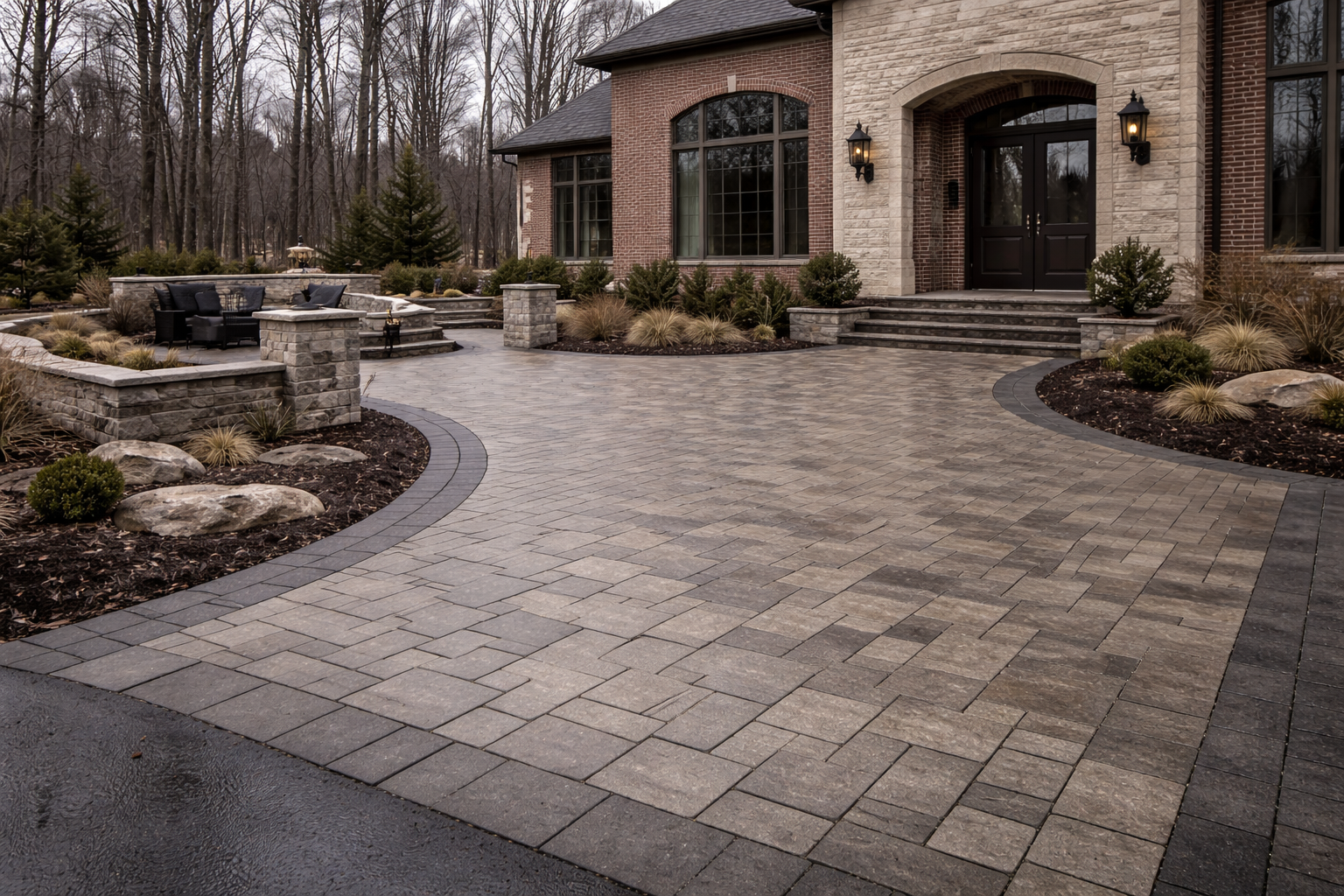
Hardscape durability is influenced by base preparation, but the finish matters too. Different pavers and stones perform differently in freeze-thaw conditions and respond differently to de-icing products. Jointing methods affect weed pressure and surface stability. Edging choices determine whether lines stay crisp over time.
If you want a refined look that stays refined, those details can’t be treated as accessories.
Planting choices that affect replacement rates, seasonal interest, and irrigation needs
Plant selection affects maintenance burden and replacement risk. A design that looks full on install day may be set up for crowding and disease later if spacing doesn’t anticipate mature size. Conversely, a design that looks “lighter” at installation may be intentional—allowing plants to fill in naturally over time.
Irrigation needs are also tied to plant choices and site conditions. A drought-tolerant palette can reduce water demands, but only when it’s matched to sun exposure, soil conditions, and proper installation.
Lighting and electrical planning: why “add it later” often costs more
Lighting is one of the most common regrets in outdoor projects. It’s also one of the hardest elements to retrofit cleanly. If conduits and wiring paths aren’t planned during construction, adding lighting later can mean cutting into hardscape or disturbing finished beds.
Even when the lighting approach is simple, it’s worth deciding early, so the infrastructure is ready.
Edges, transitions, and details: where “luxury landscape” is won or lost
Luxury is often felt in the quiet details: consistent edging, thoughtful transitions between materials, clean step geometry, and plantings that frame views rather than clutter them. These details cost more because they take time, and time is often the most expensive part of installation.
Site constraints: the factors that quietly inflate labor and logistics
The same design can cost very different amounts depending on what the site demands.
Tight access, steep grades, and limited staging space
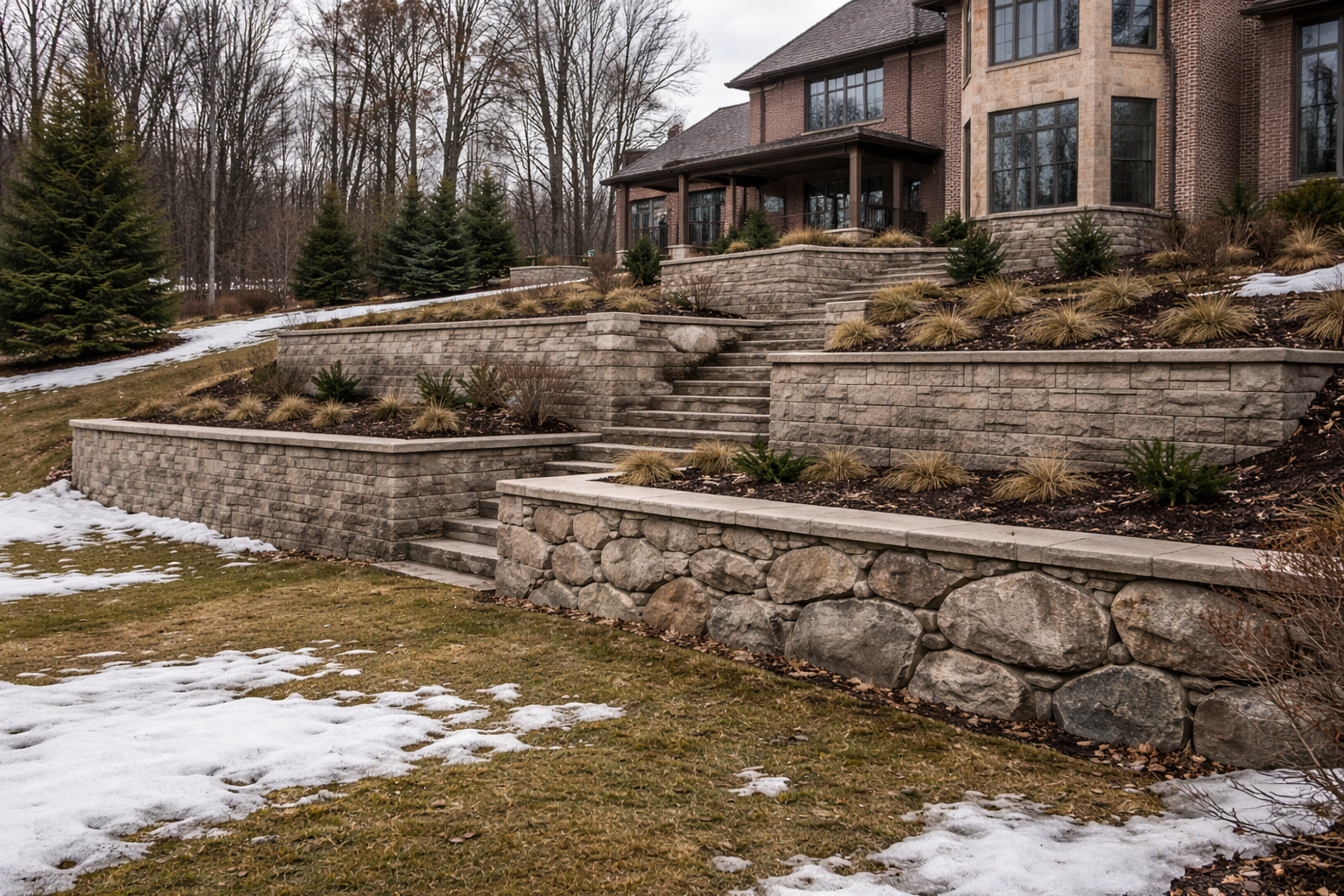
If equipment can’t reach the backyard easily, crews may need to move materials by hand, use smaller machines, or take more trips. Steep grades can require retaining solutions, additional base work, and careful sequencing.
Limited staging space also affects efficiency. When materials can’t be delivered and stored near the work area, handling time increases.
Existing structures and utilities: what forces redesign or specialty work
Underground utilities, septic systems, and existing drainage infrastructure can constrain layout and require specialized planning. Overhead lines and service equipment can affect tree placement and lighting plans. Working around existing structures also increases care requirements—especially if the project must protect finished interiors, siding, windows, or adjacent features.
Soil and base conditions: what you don’t know until you test and excavate
Soil conditions influence compaction, drainage, and how base materials perform. In some cases, excavation reveals unexpected conditions that require adjustments. A thorough assessment reduces surprises, but it’s important to understand that some site realities only become visible once work begins.
Protecting what’s staying: mature trees, existing patios, finished interiors
Preservation is rarely “free.” Protecting mature trees may require careful grading decisions and limits where heavy equipment can travel. Preserving an existing patio may constrain drainage solutions or step transitions. Protecting interiors means careful routing of materials and clean jobsite practices.
Scope clarity: what changes a quote from “range” to “real”
Most pricing confusion comes from unclear scope. A proposal that looks cheaper may simply be less defined.
The specific decisions required to lock pricing
To move from estimates to reliable pricing, a project needs clarity on:
- Primary hardscape areas and approximate square footage
- Material selections (or clearly defined allowances)
- Drainage approach (if needed)
- Lighting approach (even if minimal)
- Planting scope and size expectations
When those pieces are confirmed, the number becomes more dependable and comparisons become fairer.
The cost impact of “nice-to-have” add-ons vs. must-haves
Some elements are foundational (grading, drainage, proper base prep). Others are discretionary (extra lighting layers, specialty features, decorative upgrades). A good plan separates these clearly so you can make informed choices without compromising the project’s integrity.
Allowances vs. exact selections: where ambiguity shows up later
Allowances are normal, but they should be realistic and clearly written. If allowances are too low, you may feel like everything you want becomes an “upgrade.” If they’re too vague, they can hide meaningful cost differences between proposals.
How “residential landscaping” priorities guide where to invest (and where not to)
Your priorities should guide the budget. If privacy matters most, invest in the right screening strategy and placement. If entertaining matters most, invest in circulation, lighting, and durable surfaces. If low maintenance matters most, invest in planting strategy and materials that age well.
Choosing the right build partner: what to look for in a “luxury landscaping company”
Selecting a builder is less about the “best price” and more about the best fit for the kind of project you’re building.
Signs the team understands complex outdoor builds (without overpromising)
Look for teams that ask detailed questions early: site constraints, drainage history, how you use the space, what you want to keep, and what your maintenance tolerance is. A credible team will be willing to explain tradeoffs, not just sell features.
How a “luxury landscape company” should handle design, planning, and scheduling
A strong luxury landscape company has a defined process: discovery, design, selections, scope lock, and a realistic timeline. They should tell you what decisions must be made by what point to keep the schedule stable.
What a “luxury landscaping company” should document before work begins
You should expect documentation that prevents misunderstandings: scope details, materials or allowances, key construction assumptions (like base depth), and how changes will be handled. The best projects feel smooth because expectations were written down early.
Red flags that often lead to change orders and missed expectations
Be cautious when:
- The scope is vague or overly brief
- Drainage is treated casually on a site with water issues
- Material specs are unclear
- The timeline feels unrealistic
- There’s no defined process for changes
How a “luxury landscape company” should price and present a project
A well-presented proposal is not about fancy formatting. It’s about clarity.
Transparent line items vs. bundled numbers (and what each means)
Some proposals are itemized, others are bundled. Both can be legitimate—but bundled numbers require more clarity in writing. If it’s bundled, you should still understand what’s included and what isn’t.
What a clear scope looks like (materials, quantities, allowances, responsibilities)
A clear scope shows the homeowner how the project is built—not just what it will look like. It identifies major areas, key materials, and responsibilities (for example, whether the contractor handles permits or coordinates with other trades).
Payment structure and timelines: what’s normal and what’s risky
Payment terms vary, but structure should align with project milestones. Be wary of terms that require large payments disconnected from clear progress. Good terms protect both parties and keep expectations aligned.
Change-order process: the policy that protects both sides
Change orders aren’t inherently bad. They’re often part of making a project better. What matters is whether the process is defined: written scope changes, clear pricing impact, and approval before work proceeds.
Real-world scenarios: how the same “luxury landscaping” goal can price out differently
Here are examples of why two projects with similar “before/after” goals may land at different price points.
Scenario 1: upgrading an existing layout vs. rebuilding from scratch
If the existing layout works and the underlying construction is sound, upgrades can focus on finishes and planting. If the layout is flawed—poor drainage, awkward circulation, wrong elevations—rebuilding may be the better long-term investment, but it changes cost significantly.
Scenario 2: reworking grades and drainage vs. cosmetic improvements
Cosmetic improvements can look transformative in photos, but they don’t solve structural site issues. If a property needs grading and drainage work, that work often becomes the foundation for everything else—and it can shift the budget before any visible upgrades begin.
Scenario 3: premium finishes with simple geometry vs. complex layout with mid-tier finishes
A simple patio with premium materials may cost less than a complex patio with multiple elevations, curves, steps, and tight transitions—even if the materials are mid-tier. Complexity increases labor and precision requirements.
Scenario 4: phased “residential landscaping” plan vs. single-season transformation
Phasing can spread investment, but it can also introduce repeat mobilization and temporary transitions. A well-planned phased approach anticipates later connections so earlier work doesn’t need to be disturbed.
A homeowner checklist to control cost without compromising the “luxury landscape” result
You don’t control every variable, but you can control the ones that most often trigger budget creep.
The decisions to make early (layout, primary materials, drainage approach)
Early decisions that stabilize pricing:
- Lock the layout before construction begins
- Choose primary hardscape materials early
- Confirm drainage needs and approach
- Decide on lighting strategy (even if minimal)
These prevent late changes and reduce uncertainty.
Where to simplify without looking “value engineered”
Simplification doesn’t have to look cheap. Often it means:
- Fewer material transitions
- Cleaner geometry
- A focused planting palette with strong structure
- Investing in a few high-impact moments instead of many small “extras”
Where not to cut: items that create failures, callbacks, or replacements
Some costs are protective:
- Proper base preparation and compaction
- Drainage solutions that actually move water
- Edging and jointing methods that hold lines
- Planting installed correctly (depth, soil prep, spacing)
Cutting here tends to create problems that cost more later.
How to keep the install efficient (access, storage, scheduling, approvals)
Homeowners can improve efficiency by:
- Providing clear access and staging space where possible
- Making selection decisions on time
- Approving plans and changes promptly
- Coordinating any related work (like exterior painting) so it doesn’t conflict
Next steps: preparing for a conversation with a “luxury landscaping company”
A first meeting is most productive when it’s grounded in priorities and constraints—not just inspiration photos.
What to bring to the first meeting (photos, measurements, priorities, constraints)
Bring:
- Photos of the space and problem areas
- A short list of priorities (privacy, entertaining, low maintenance, drainage concerns)
- A sense of what you want to keep vs. change
- Any known issues (standing water, slope problems, access limitations)
Questions that reveal experience and process
Ask:
- How do you handle drainage and grading when it’s needed?
- What decisions do you need from me to lock scope and pricing?
- How do you document materials and allowances?
- What’s your change-order process?
- How do you schedule and manage site logistics?
What a good proposal package looks like from a “luxury landscape company”
A credible proposal typically includes:
- Clear scope description
- Material specs or allowances
- Notable site assumptions
- Schedule expectations
- Payment terms tied to milestones
- A defined process for changes
How to compare bids without guessing
Compare bids by asking:
- Are both proposals solving the same site problems (especially drainage)?
- Are materials and allowances comparable?
- Is the scope equally detailed?
- Is the construction approach similar (base depth, edging, jointing)?
If the answers aren’t clear, the proposals aren’t truly comparable yet.
Contact / Request a Consultation
Optional closing section: the decision framework for your project
A high-end outdoor build can be deeply satisfying when it’s planned well—and frustrating when it isn’t. The difference usually comes down to clarity: clarity in priorities, clarity in design, clarity in materials, and clarity in how the site will actually behave once it rains, freezes, and thaws.
If you’re evaluating a luxury landscaping company, focus on process as much as portfolio. A beautiful photo is important, but a durable outcome is what you live with. The best projects feel inevitable when they’re done—because the decisions were made early, the plan was buildable, and the work on the “invisible” parts was done correctly.
If you’d like Rohto to review your site conditions and talk through cost drivers for your property, that conversation should be straightforward and practical: what matters most to you, what the site requires, and what scope would produce a result you can trust for years.
FAQs
How can I tell if a proposal is missing important scope?
If the proposal is short, vague, or light on materials and construction assumptions, it may be missing meaningful scope. Pay attention to whether it addresses grading and drainage when the property shows signs of water issues, and whether it defines materials or allowances clearly. A strong proposal reads like a plan, not a placeholder.
Why do two projects that look similar in photos have different costs?
Photos don’t show access constraints, excavation needs, base preparation quality, or drainage work. They also don’t show how detailed the design was before construction began. Cost differences often come from the “invisible” scope and from how precisely the project is documented and executed.
Is it better to choose materials first or lock the layout first?
In most cases, lock the layout first, then choose primary materials. Layout impacts quantities and elevations, and it determines where transitions and details will be. Once the layout is stable, material selection becomes more reliable and pricing becomes easier to lock.
Do I need a full design before requesting pricing?
You can start with a budgeting conversation early, but accurate pricing requires clarity on layout, materials (or realistic allowances), and site constraints. If you want fewer surprises, invest in design clarity before the project enters active construction.
How do I avoid change orders?
You can’t eliminate every change, but you can reduce unnecessary ones by finalizing key decisions early: layout, primary materials, drainage approach, and lighting strategy. Make sure the proposal defines what’s included, and confirm that changes require written approval before work proceeds.
What should I prioritize if I want a true luxury result without overspending?
Prioritize cohesive design, proper base work, and clean transitions. Choose a few high-impact moments (a main patio, a strong entry walkway, well-placed lighting) and simplify elsewhere. A refined project often comes from restraint and planning—not from adding features.