Stone Walkways Versus Brick: Best Materials For Detroit Paths
Pathway Showdown
Stone Walkways Versus Brick For Detroit Driveways And Walkways
If you are looking at cracked concrete, muddy shortcuts across the lawn, or an outdated front entry, it is natural to start searching photos of beautiful stone walkways and clean brick paver paths. Very quickly the big question appears.
Should you invest in natural stone or choose brick and concrete pavers for your driveways and walkways in a Detroit climate.
Someone searching this wants to choose the best material for walkways and small drives that will still look good and feel safe after many Michigan winters. This guide walks through how each option looks, feels, and performs on clay soil with real freeze thaw cycles, and how to match the material to your budget and daily use.
Stone Versus Brick
Which Material Fits A Detroit Yard Best
Both materials can be excellent when they are designed and built correctly. The right answer depends on how you plan to use the space, how much maintenance you are comfortable with, and how you feel about long term value.
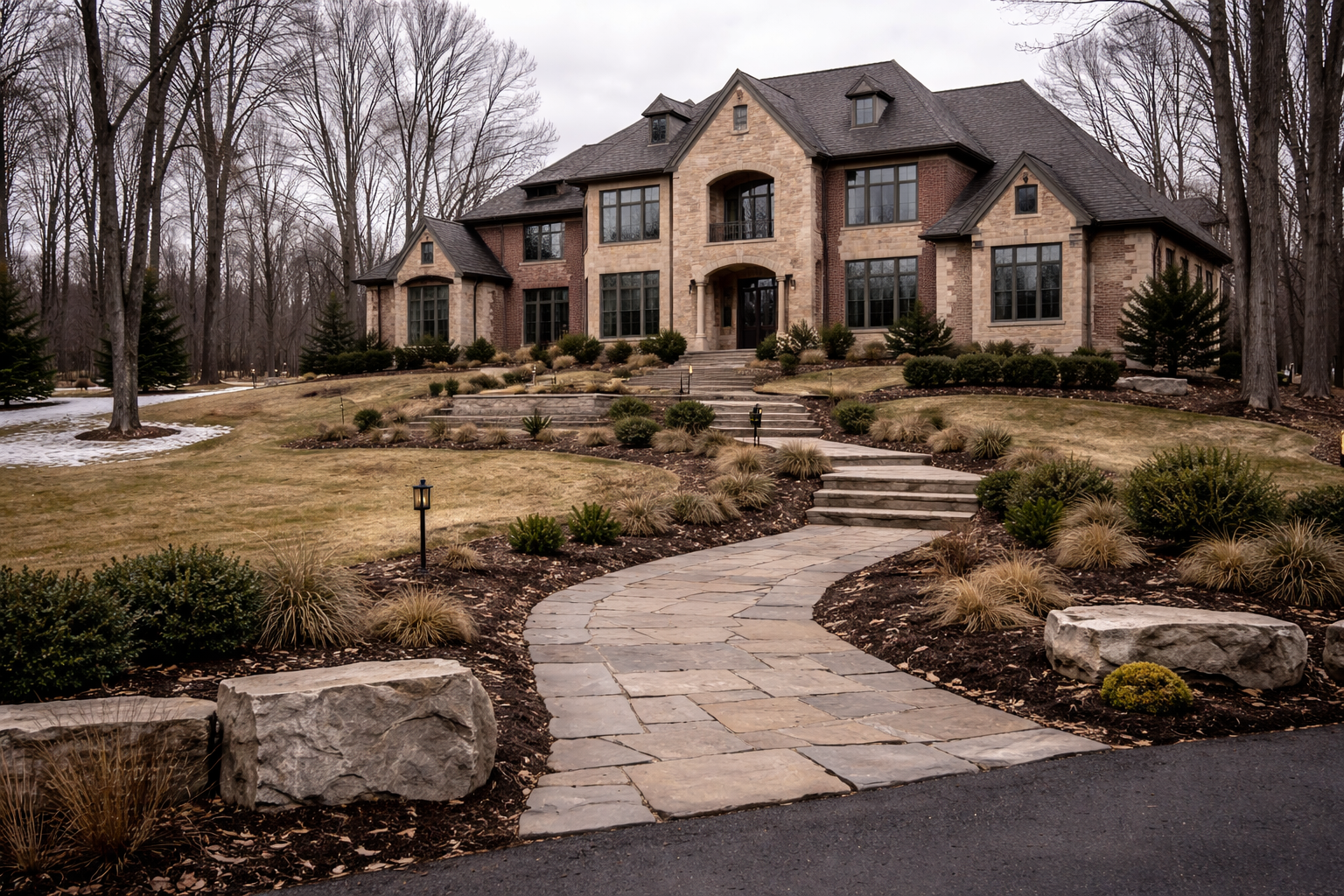
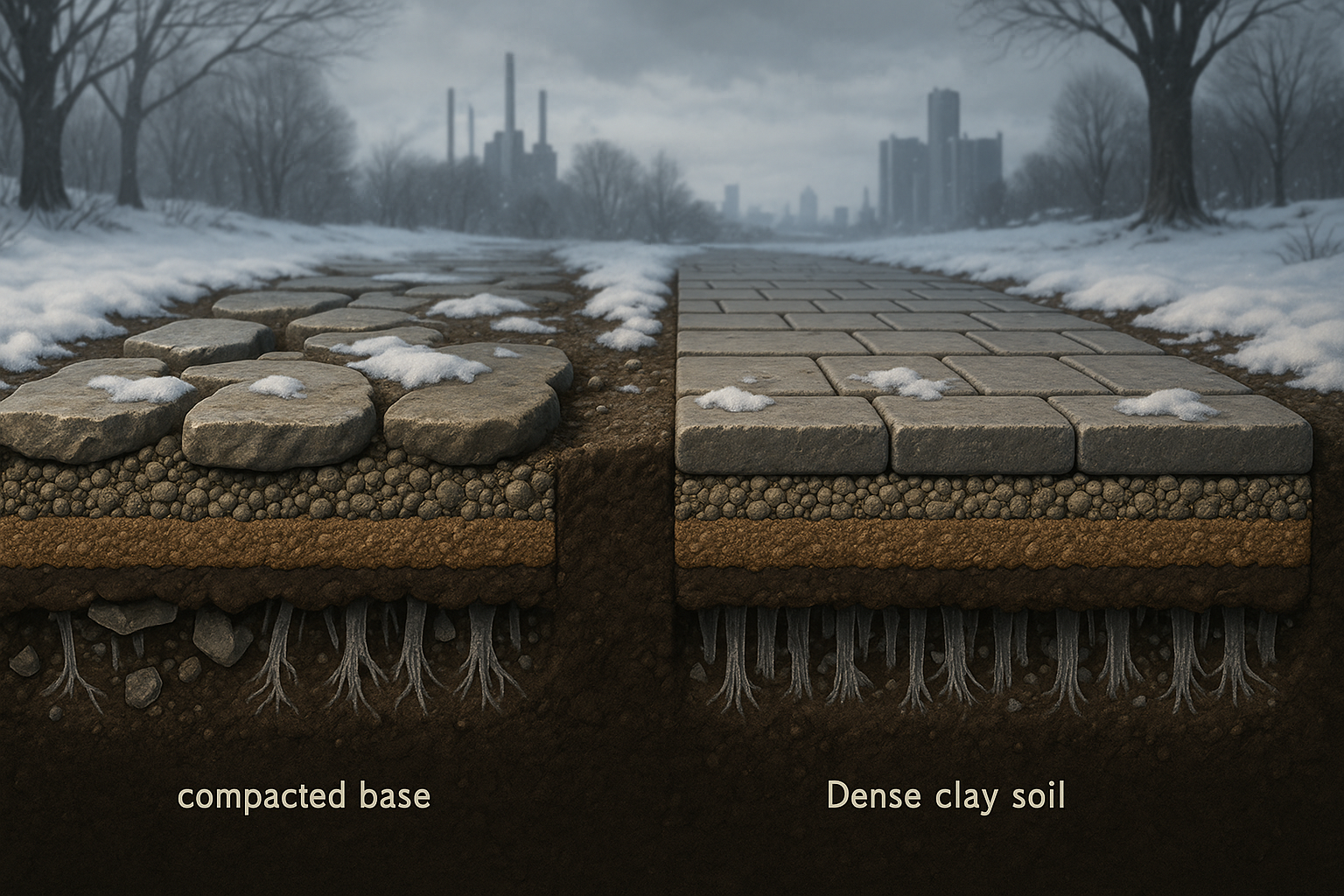
Stone walkways use natural or cut stone laid in patterns or stepping formats. The appeal is obvious. Each piece is unique, the color tones are subtle, and the finished path feels organic and timeless. Stone fits especially well in garden settings and in designs where character and texture are more important than precise uniformity.
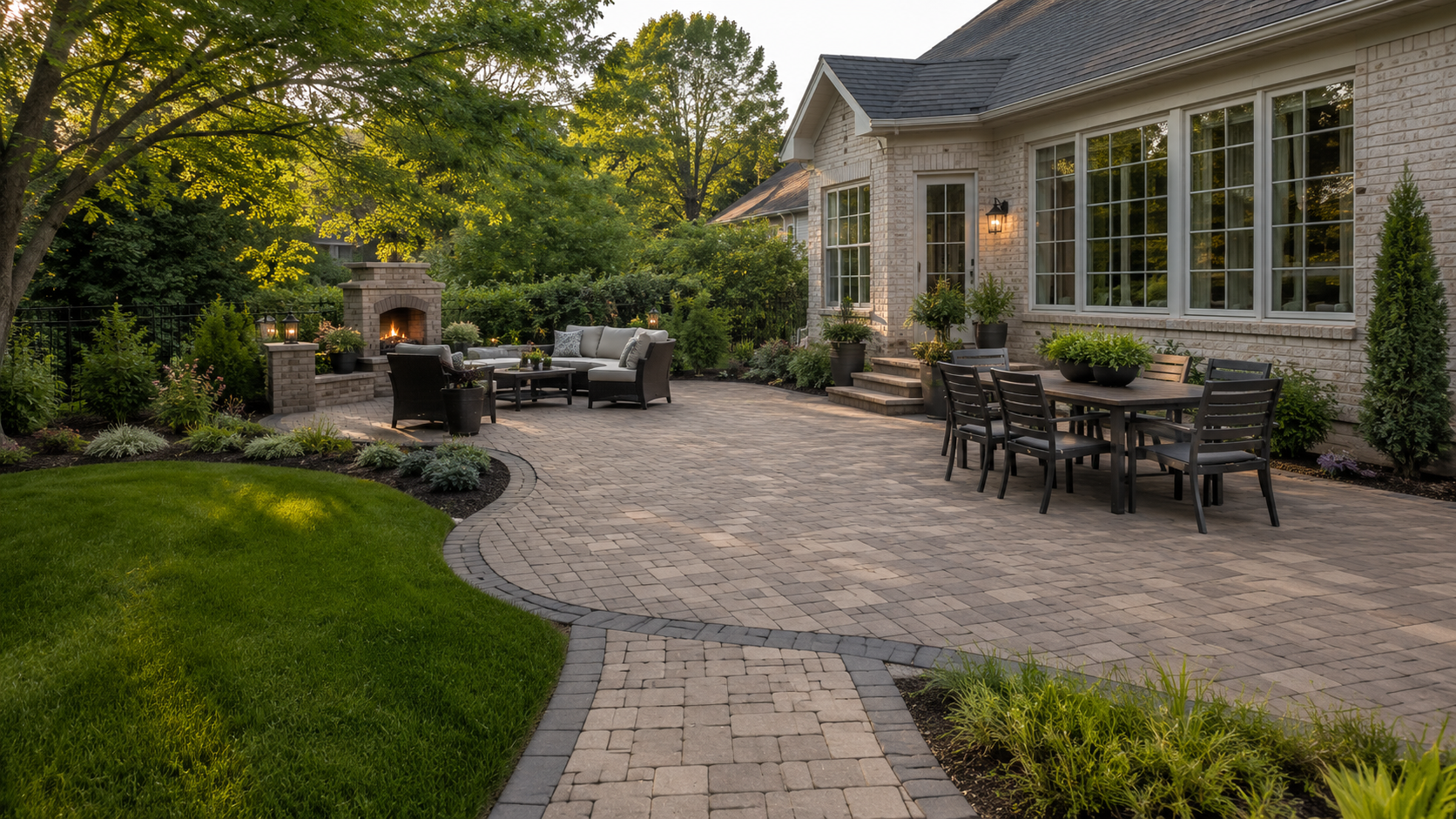
Brick and concrete pavers are engineered units that lock together. They are made to work as a system. The pattern of joints spreads loads, and the base below is designed to move slightly as a whole instead of cracking like a slab. Pavers come in many colors, shapes, and surface textures, and are strong against ground movement when patio construction follows best practices.
In simple terms.
• Stone shines when you want a natural look for garden paths and light traffic areas, and when the budget allows for premium material and careful installation.
• Brick pavers work best for main entry walks, driveways and walkways that see regular traffic, and situations where long term stability and easier repair are priorities.
The rest of this guide explains these tradeoffs in more detail using the specific challenges of Detroit soil, water, and winter weather.
How You Plan To Use The Path
Traffic, Loads, And Everyday Life
Before thinking about color or pattern, it is important to be honest about how this surface will be used. That practical reality drives the material choice more than almost anything else.
Ask a few simple questions.
• Is this a front entry path that guests use in dress shoes.
• Is it a garden route used daily for pets, lawn care, and quick trips to a shed.
• Will vehicles ever drive or park on it, even occasionally.
• Do you need to push strollers, wheelchairs, garbage bins, or snow blowers along it.
Light garden traffic, where people move slowly and are not carrying much, can work very well with informal stone walkways. Wider joints, staggered pieces, and organic shapes feel relaxed and fit into plantings. Small irregularities in height are less of a concern when people are not rushing.
Main front walks and paver driveways ask for something different. At entries and along parking areas people walk in all kinds of weather, often carrying bags or helping children. Rolling loads from garbage bins and snow blowers also demand a flatter, more predictable surface. In those situations, interlocking pavers with tight joints and a stable base usually provide better everyday comfort and safety.
Accessibility is part of the picture. If anyone in the home uses a mobility device, has limited balance, or is at higher risk of falling, smoother paver surfaces and careful control of joint width and step locations become very important. Edge details, handrails on slopes, and contrast between path and planting also influence comfort.
When you answer these questions honestly, the path material stops being a purely aesthetic choice and becomes a functional decision that supports how you live.
Michigan Climate And Soil
What Freeze Cycles Do To Walkway Materials
Detroit and the surrounding region share a few consistent conditions that matter a lot for hardscape design. Real winters with repeated freeze and thaw, periods of snow and ice, and clay heavy soils that hold water. Understanding how those factors interact with stone and pavers is part of true expertise in landscape installation.
Freeze and thaw under paths and drives
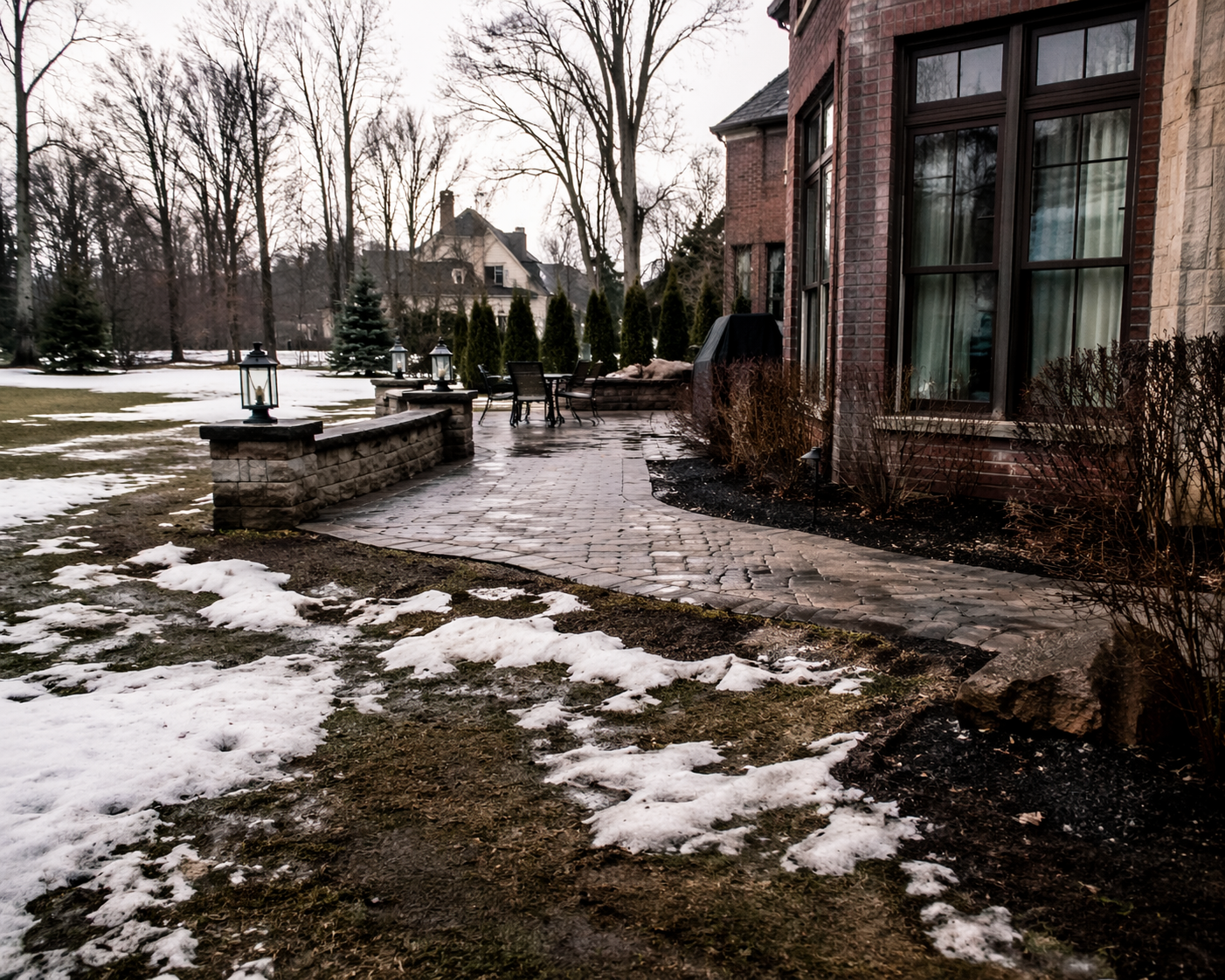
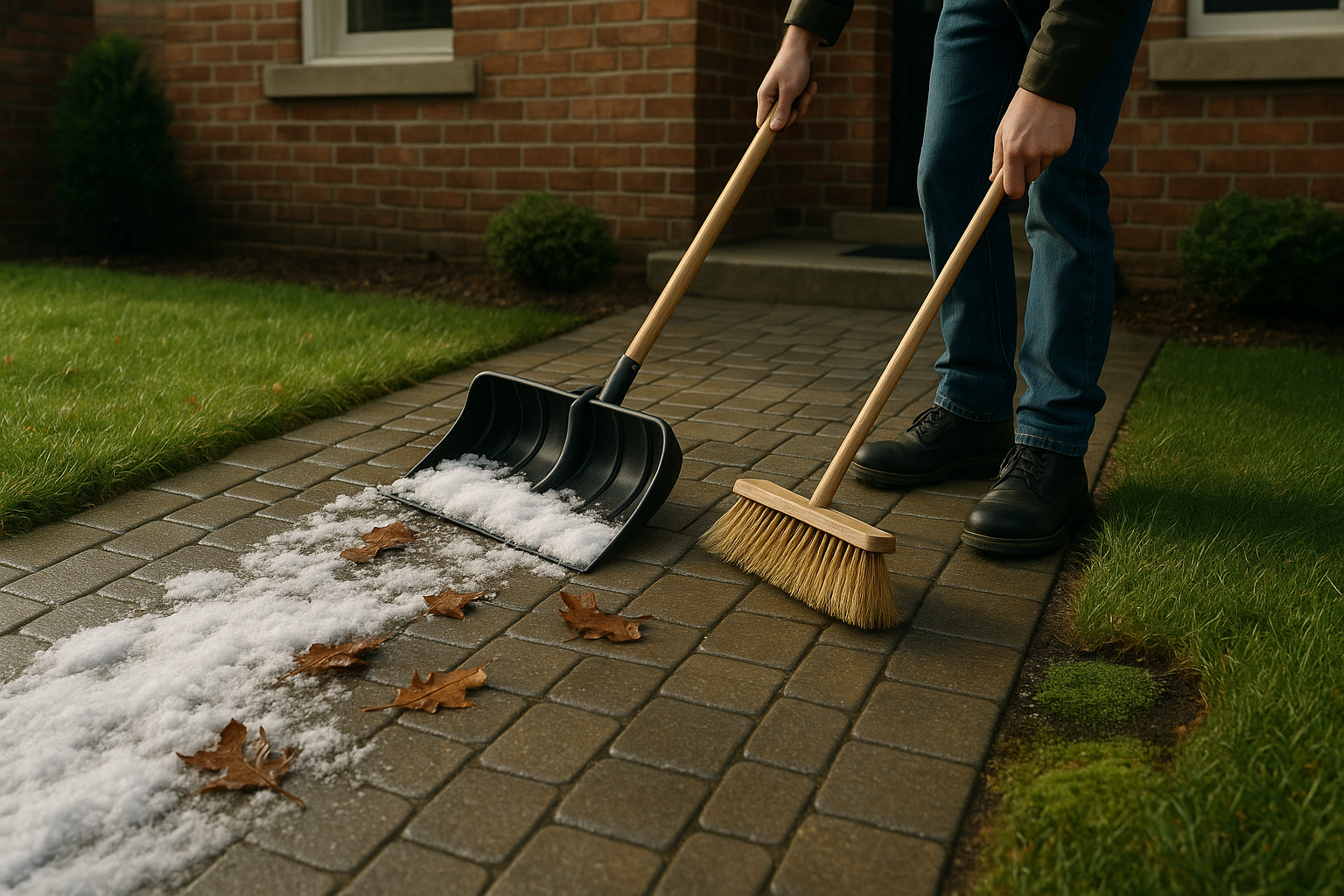
Water always looks for a way into small gaps. It seeps between stones, into joints, and down into the base material beneath driveways and walkways. When temperatures drop below freezing, that trapped water expands. As it expands it can lift individual stones or pavers, create voids, and leave surfaces uneven once the ice melts.
On poorly built paths this shows up as raised edges, rocking pieces, and shallow dips that collect water or ice. This is not a material problem alone. It is usually a base and drainage problem. Both stone and brick pavers can perform well if they sit on a compacted, free draining base with enough depth to keep freeze movement even.
Clay soil and drainage along walk routes
Much of the Metro Detroit area has clay dominant soil. Clay does not let water drain quickly. It can become slick and soft when wet, then very hard when dry. If a path is built directly over this kind of soil without thought for drainage and base design, movement is almost guaranteed.
Even a narrow garden path benefits from proper base preparation. That usually means excavating native soil to a planned depth, installing layers of compacted aggregate, and shaping the area so water moves away from the home and from the path. For paver driveways and main walks, the base depth is greater to carry vehicle loads and to distribute the impact of repeated freezing across a thicker, more stable layer.
Safety in winter
Slip risk and ice management
Surface texture and joint pattern both play a role in winter safety. Certain natural stones have enough texture to provide grip even when wet or lightly iced. Others, especially very smooth or polished finishes, can become slick. Choosing stone for stone walkways in this climate means paying close attention to finish, not just color.
Pavers are manufactured with surface patterns and edge shapes that are designed for traction. When installed with the right slope, they allow water to move off the surface instead of sitting in shallow depressions. Joint sand helps drain water, but if joints are left empty or clogged, ice can still form in unwanted spots.
Ice melt products and snow shovels interact with both materials. Some stone types can spall or flake if harsh chemicals are used repeatedly. Pavers can lose joint sand or show wear if metal blades scrape the surface aggressively. Clear guidance on safe ice melt options and proper snow clearing tools should be part of any professional patio construction conversation.
Across all of this, the common theme is simple. Good design and build practices manage water first. When water is directed away from paths and given room to drain through the base, both stone and pavers have a much better chance of staying level and safe.
Material Options
Stone Walkways Versus Brick And Other Common Choices
Once use and climate are clear, it is time to look closely at the materials themselves. The goal is not to crown a single winner, but to understand where each option performs best.
Natural stone paths and walks
Natural stone comes in many forms, from irregular flagstone to cut rectangles and squares. Pieces can be set closely together for a more formal look, or spaced as stepping stones through lawn or groundcover.
Strengths of natural stone include individual character and a sense of permanence. The color variation and texture cannot be fully replicated by manufactured units. In garden settings especially, stone can blur the line between built and natural in a very pleasing way.
However, that character comes with requirements.
• Stone often carries higher material cost.
• The labor to fit pieces together tightly and create comfortable joint spacing is significant.
• The base must be prepared with precision to avoid rocking pieces and to keep surfaces even over time.
• Some types of stone are more porous or more prone to surface wear, so selection matters in a climate with de icing products and freeze thaw cycles.
For informal paths with lighter traffic, stone can be very successful. For primary entry routes or areas that see wheeled loads, the design has to be more controlled, and the results depend heavily on the skill of the installer.
Brick and concrete pavers for driveways and walkways
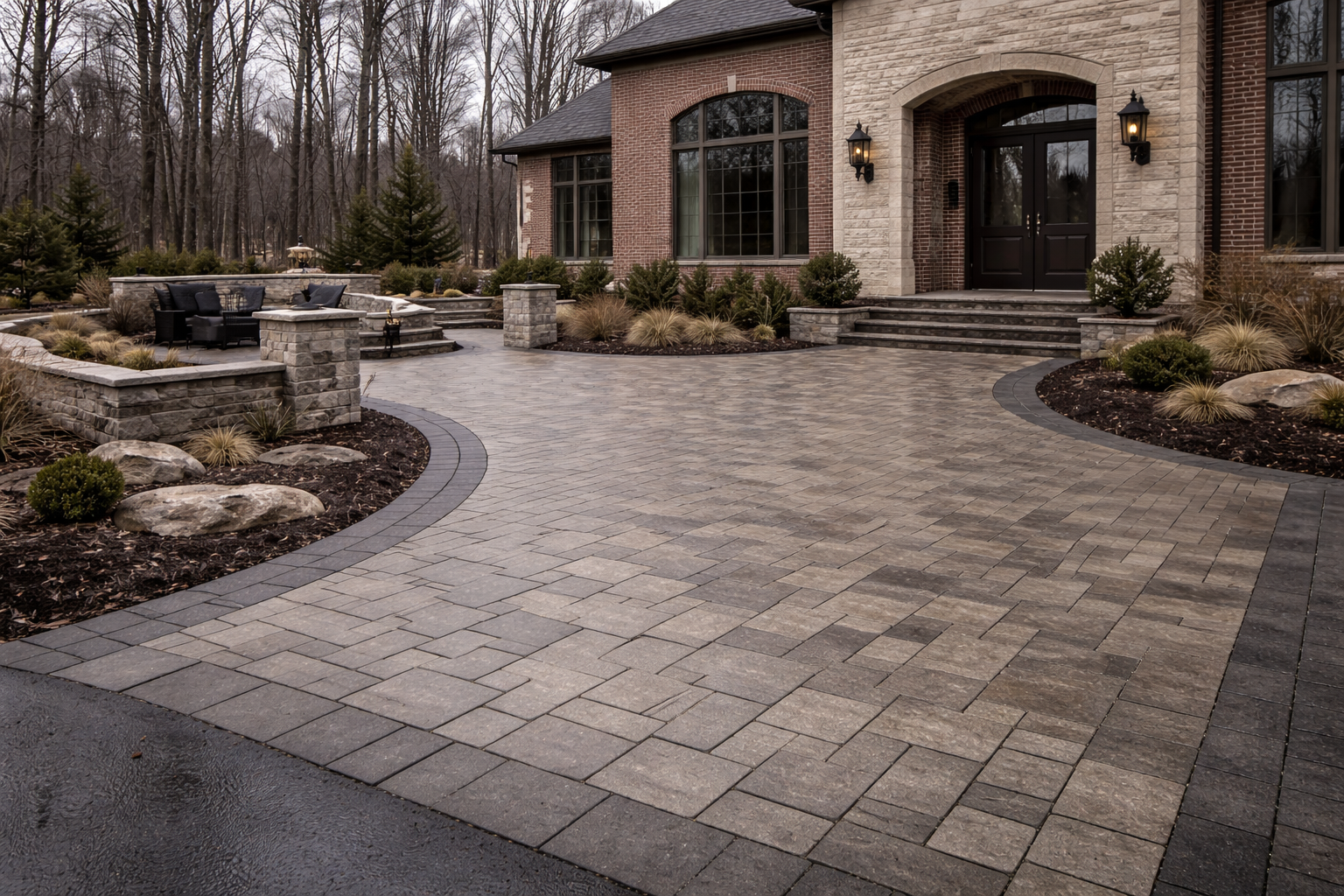
Pavers are manufactured units cast from concrete or fired clay. They are designed to interlock with one another when laid on a well compacted base and filled with joint material. Instead of trying to resist all movement, a paver system spreads loads and allows tiny shifts across a larger field.
Advantages include strong performance under both foot and vehicle traffic, a wide range of colors and shapes, and the ability to create patterns and borders that define different zones. If a small section settles, pavers can be lifted, the base adjusted, and the same units reinstalled, often without visible patchwork.
There are tradeoffs. An inexperienced crew may rush base work or ignore edge restraints, which leads to spreading, loss of joint sand, and uneven surfaces. Neglected pavers can collect weeds in joints or show stains from organic debris. Those issues are not inherent to pavers. They are signs that maintenance and initial construction were not handled correctly.
For most main driveways and walkways, pavers offer a reliable balance of durability, flexibility, and design control when they are part of a solid landscape installation plan.
Other options and why to be cautious
Gravel, compacted stone fines, and stamped concrete also appear in many yards. Each has a place, often for side paths, utility routes, or specific design styles.
Gravel and fines can be budget friendly and permeable, but they migrate. Stones track into the house, into lawn areas, and into the road. Shoveling snow from loose material is difficult, and mobility devices or narrow wheels can sink in.
Stamped concrete can mimic the look of stone or pavers, but it is still a single slab. When it cracks, repairs are more visible. Surface texture wears over time, which can change both appearance and traction.
For the most visible walkways and for areas that carry vehicle loads, natural stone and pavers remain the primary choices for a reason. They balance appearance and performance when correctly detailed for this climate.
Cost, Lifespan, And Value Over Time
Budget is always part of the decision, but it helps to think beyond the initial quote and look at how cost spreads over years of use.
Upfront cost ranges
Every project is different, but a few consistent drivers of cost show up again and again.
• Material choice and thickness influence both price and handling.
• The total area of paths, landings, and parking surfaces matters.
• Access for equipment changes how easily crews can bring in base material and remove soil.
• Clay soil, old slabs that need removal, and steep grades all add complexity.
Natural stone walkways typically sit near the higher end of material and labor cost for a given area. The pieces are heavier, fitting them together takes time, and cutting or trimming stone requires specialized tools.
Brick or concrete pavers can range from moderate to high cost depending on style and pattern. Simple running bond designs with standard units are very efficient. Complex inlays, multiple colors, and curves require more cutting and layout work. Even so, in high use areas, pavers often deliver more structure for the investment, because the system is engineered for repeated loads.
Long term maintenance and repair costs
Over time, any outdoor surface will need attention. The question is how easy that work is and what it costs.
Stone may need occasional resetting where joints open or pieces settle. Joints filled with loose material or planting can require weeding and replenishing. Certain stones may benefit from sealing to reduce staining or to protect against de icing chemicals.
Pavers require joint sand checks and periodic cleaning to remove organic film. If a small area settles, a focused repair can lift those units, correct the base, and reinstall them. Because the units are modular, matching the look is much easier than patching a solid slab.
Lifespan and resale impression
With proper base preparation, thoughtful drainage, and steady maintenance, both stone and pavers can last for many years in Detroit conditions. The bigger risk to lifespan is usually cutting corners on base depth, compaction, and edge restraints, not the material itself.
At resale, buyers generally respond to how surfaces look and feel, not to the specific material label. Neat, even stone walkways with clean joints and healthy edges signal that a property has been cared for. The same is true of well installed pavers that still sit level, with crisp borders and consistent color.
On the other hand, any surface that has heaved, cracked, or become uneven suggests hidden issues and possible future costs. Choosing the right material is only half of the story. Choosing to install it correctly is the other half.
Maintenance And Safety
Keeping Walkways Looking Good And Safe To Use
Even the best material can become a hazard or an eyesore if it is ignored. A simple maintenance mindset keeps surfaces attractive and reduces risk.
For any path or small drive, a few routine habits go a long way.
• Clear leaves and organic debris before they break down into a slippery layer.
• Inspect edges where the path meets lawn or beds and correct any spots where soil has washed away.
• Watch for any raised edges, loose pieces, or depressions that hold water, and address them early.
Stone walkways respond strongly to choices made at installation. Joints filled with loose gravel, stone dust, or groundcovers look beautiful but can change how easy it is to walk, shovel, or push equipment. Over time, joints may need topping up or replanting. Moss and algae can be charming in low traffic corners but can create slip risks where people move quickly or where shade and moisture combine.
Brick and concrete pavers benefit from good joint care. Keeping joints filled with appropriate sand helps lock units together and keeps water moving through the system instead of sitting at the surface. Weeds often appear where joints have opened or where organic dirt has collected. Periodic sweeping and a light cleaning routine keep surfaces looking fresh.
Snow removal is another key factor. On both stone and pavers, plastic shovel edges or snow blowers set at the correct height help protect surfaces. Metal blades can scrape high points and corners, especially on textured materials. De icing products should be chosen with both safety and material compatibility in mind.
Good design reduces maintenance by planning for water flow, snow storage areas, and realistic plant growth near edges. Slight slopes toward drains, beds at the right elevations, and clear definition between lawn and hardscape all support easy care.
Design And Curb Appeal
Choosing A Look That Fits Your Home
Beyond performance, paths and small drives are a big part of first impressions. They frame the way people approach the house and how they move through the yard. The material you choose should support the architecture and the overall landscape.
Matching materials to architecture
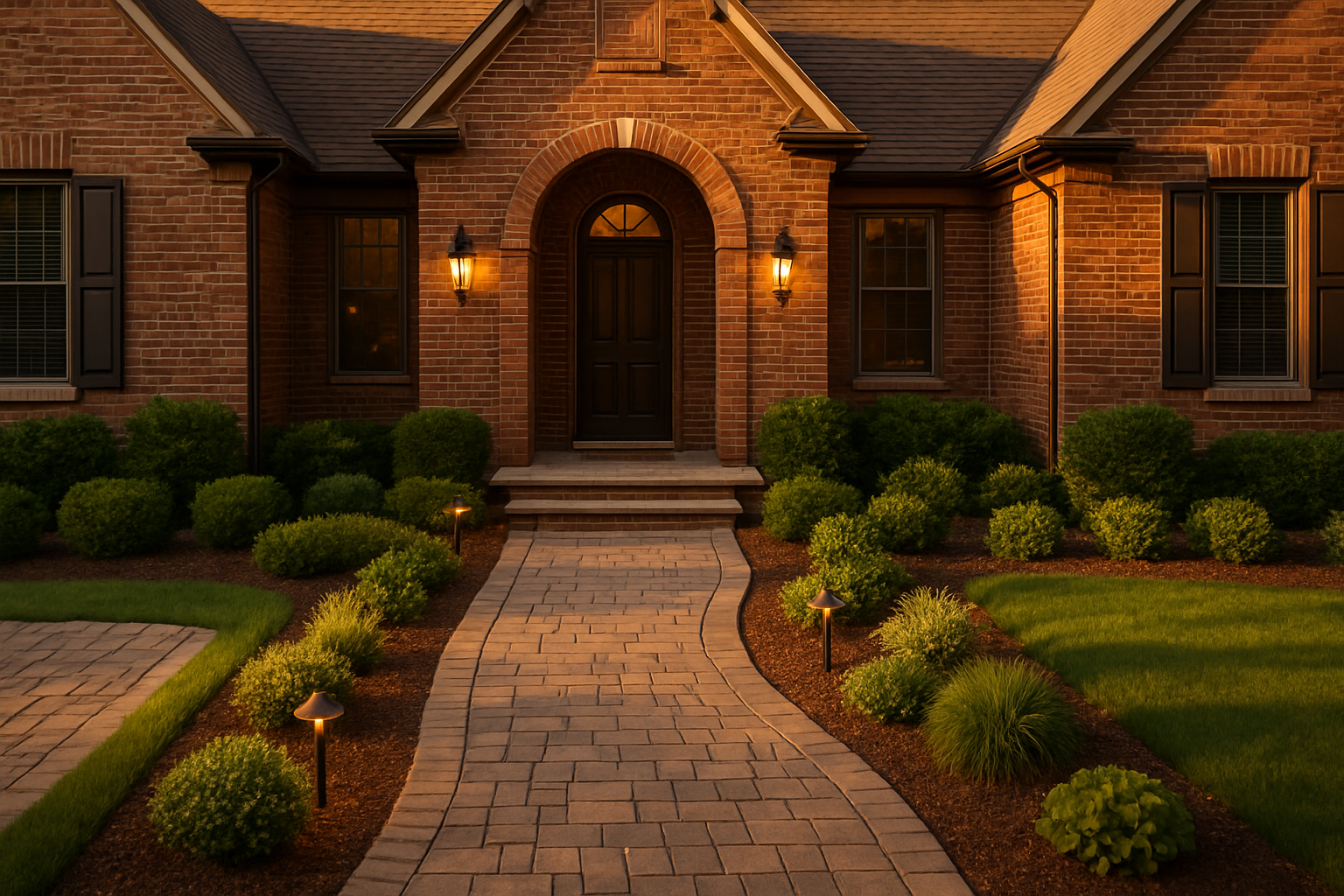
Different houses suggest different hardscape choices. A traditional brick facade often looks best with brick pavers or stone in tones that echo the wall color. In that setting, repeating materials between front steps, brick paver patios, and main walkways creates a calm, coordinated feel.
Homes with more modern lines may call for cleaner, larger units, either in stone or concrete pavers. Simple patterns, fewer joint lines, and consistent color can match contemporary trim and windows.
The goal is not strict rules, but harmony. When the color and texture of driveways and walkways relate to siding, roofing, and trim, the entire property feels more intentional.
Path layout and experience
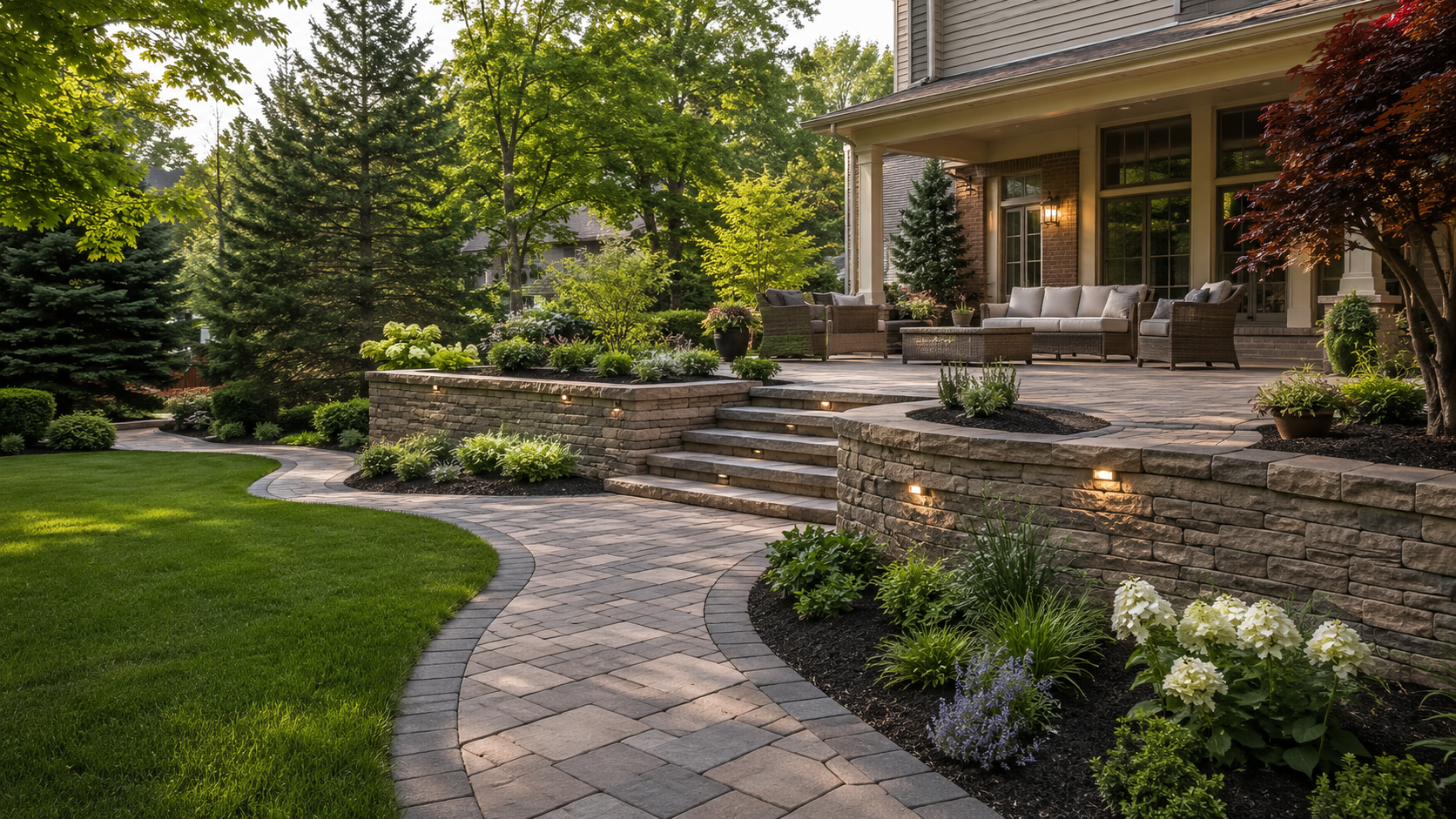
Layout is as important as material. Straight paths create a formal, direct route to the door. They feel efficient and clear. Curved paths invite people to slow down and can make small yards feel deeper by pulling views slightly side to side.
Width matters as well. Narrow routes feel tight and can make two people walking side by side uncomfortable. Slightly wider walks near entries make arrivals and departures smoother and allow space for planters or low lighting without crowding feet.
Patterns and borders help guide the eye. Changes in pattern or banding can signal transitions, such as the shift from public sidewalk to private entry, or from main walk to side path. Pavers are especially helpful for this kind of subtle visual cue, but stone can also use size changes or joint spacing to similar effect.
Integrating plantings and lighting
Walkways are rarely at their best when they are left bare. Planting and lighting work together with the hardscape to create curb appeal.
Soft planting along edges hides the straight engineering of a path and blends it into the rest of the yard. Low shrubs, perennials, and groundcovers can break up long runs of stone or paver without blocking views. In winter, evergreen structure keeps the composition from feeling empty when perennials die back.
Lighting has both safety and design roles. Gentle fixtures along driveways and walkways help people see edges and steps after dark. Accent lights focused on feature stones or specimen plants add depth and interest. When lighting is planned together with the hardscape instead of added later, conduit and power routing can be hidden within the broader landscape installation work.
How To Choose
Simple Five Question Decision Guide
After all the details, it helps to come back to a simple framework. Answering a few direct questions often reveals which material is more appropriate for a given project.
Ask yourself.
- Is this path mainly for looks, daily foot traffic, or regular vehicle use.
- How important is a perfectly even surface for you and your visitors.
- Are you comfortable with higher upfront cost in exchange for a specific natural look, or do you prefer a balance of cost and performance.
- How much time and effort can you realistically invest in maintenance over the years.
- Do you want the path material to match existing steps, patios, or planned paver driveways.
If most of your answers focus on heavy use, minimal maintenance, and strong structure for vehicles and rolling loads, then brick or concrete pavers are likely the better fit. If your answers lean toward garden ambiance, lighter traffic, and a strong preference for natural variation, then well designed stone walkways may be worth the investment.
Either way, the decision becomes clearer when it is tied to specific needs and priorities instead of a general sense of style alone.
Frequently Asked Questions About Walkway Materials
Are stone walkways too slippery for Michigan winters?
They do not have to be. Slip risk depends largely on the stone type and finish, the slope of the path, and how well snow and ice are managed. Textured stones with a natural cleft finish provide more grip than very smooth, honed surfaces. Paths with gentle, even slopes and good drainage accumulate less standing water that can freeze. Regular snow clearing and careful use of de icing products also make a difference.
Are brick pavers worth the investment compared to poured concrete?
Poured concrete can be less expensive up front, but it behaves as a single slab. When it cracks, repairs are more obvious and often require cutting out and replacing entire sections. Pavers create a flexible system. The joints allow tiny movements without breaking the surface. If a small area settles, individual units can be lifted and reset. Over time, that repairability, along with design flexibility, is a big reason many owners consider pavers worth the added initial cost.
Can I mix materials, such as a paver driveway with stone garden paths?
Yes, mixing materials is common. The key is coordination. Colors and textures should relate to one another and to the house so the yard still feels unified. A paver driveway can handle vehicle loads and snow clearing, while stone paths meander through planting beds. Edges where one material meets another should be detailed carefully so there are no abrupt height changes or weak spots.
How thick does the base need to be for walkways versus paver driveways?
Base thickness depends on soil conditions, load, and local practice, but the principle is straightforward. Surfaces that carry vehicles require a deeper, more carefully compacted base than narrow paths that only carry foot traffic. A professional landscape installation team sizes base layers after looking at soil type, drainage needs, and expected use. This is one of the areas where experience matters more than any single rule of thumb.
Conclusion And Next Steps
In this climate there is no single perfect material for every path. The best choice is the one that fits your traffic, your property, and your tolerance for maintenance, supported by careful design and construction. Well built stone walkways and well built paver systems can both serve a Detroit home for many seasons. Problems usually appear when water, base depth, or usage are not fully considered from the start.
A simple next step is to walk your own property with fresh eyes. Notice where you and your guests actually walk now, where you slip or detour around mud, and how driveways and walkways connect to entries and outdoor spaces. Collect a few images of paths you like and pay attention to whether they are stone or paver based and why they appeal to you.
From there, a conversation with a contractor who handles full landscape installation, including walkways, brick paver patios, and paver driveways, can translate those preferences into a plan that respects Detroit soil and weather. When function and design align from the start, your new paths will not just look good on day one. They will keep working for you season after season.