Retaining Walls in Michigan Landscapes: When Your Yard Needs Structural Support
Why Some Yards Need More Than Basic Landscaping
Across Metro Detroit, many residential properties include natural grade changes that make landscape design more complex than simply planting grass or installing a patio. Sloped yards can create drainage issues, soil erosion, and unstable ground that limits how outdoor space can be used. When these conditions are present, structural solutions become necessary to stabilize the landscape and protect the property.
Retaining walls are one of the most effective ways to manage elevation changes while improving the usability of outdoor areas. Rather than allowing soil to shift or wash away over time, these structures hold earth in place and create level surfaces for patios, lawns, walkways, and planting beds. In many cases, they become a foundational element of long-term residential landscaping planning.
Understanding when a retaining wall is required, which materials perform best in Michigan conditions, and how proper construction prevents long-term problems can help homeowners make informed decisions before beginning a landscape project.
Understanding the Role of Retaining Walls in Residential Landscaping
What a Retaining Wall Actually Does
A retaining wall is designed to support soil that would otherwise move due to gravity, erosion, or water pressure. In sloped landscapes, soil naturally shifts downhill over time. Without structural support, this movement can damage lawns, planting beds, patios, and even nearby structures.
Retaining walls hold soil in place and redistribute pressure so the landscape remains stable. By doing so, they allow homeowners to create level areas that would otherwise be unusable. In many properties, retaining walls transform steep or uneven terrain into functional outdoor spaces.
Because of this role, retaining walls are rarely just decorative features. They are structural components that often support broader residential landscaping improvements such as patios, walkways, and outdoor living areas.
Why Sloped Properties Are Common in Detroit Landscaping Projects
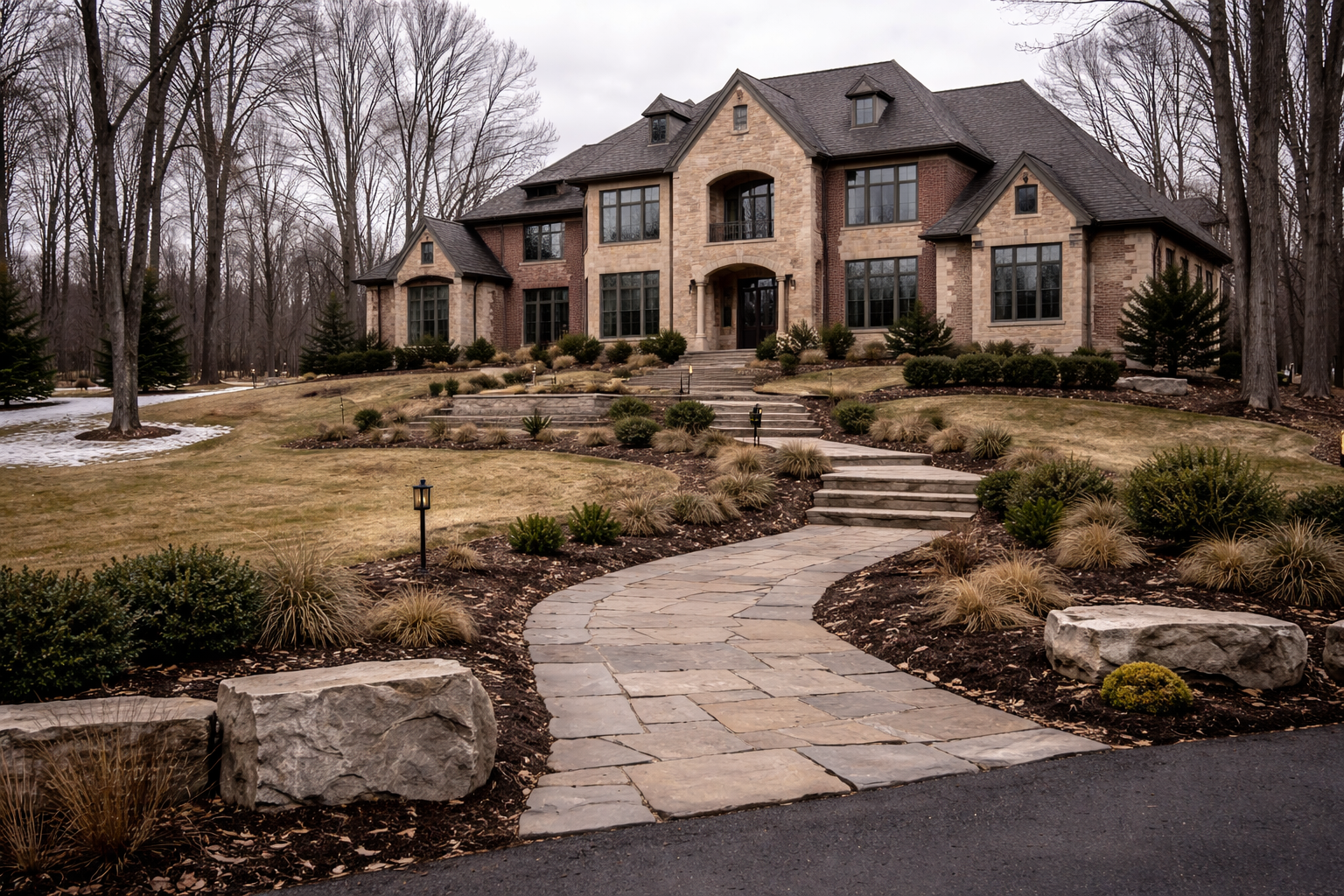
Many neighborhoods throughout Southeast Michigan were developed on land that naturally varies in elevation. Subtle slopes, drainage swales, and soil movement over time all contribute to uneven terrain across residential lots.
As homeowners invest in outdoor improvements, these natural elevation changes become more noticeable. Creating patios, driveways, or planting beds on sloped ground often requires structural support to prevent soil from shifting.
For experienced detroit landscaping professionals, identifying these elevation challenges early in the design process is critical to creating landscapes that remain stable over time.
When a Retaining Wall Becomes Necessary
Not every sloped yard requires a retaining wall. In some cases, grading alone can redirect water flow and stabilize soil. However, retaining walls become necessary when slopes are too steep to maintain safely or when erosion threatens the integrity of the landscape.
Common situations where retaining walls are required include steep backyard slopes, soil erosion along property lines, and outdoor living spaces built on uneven ground. When these conditions are present, structural support becomes essential to ensure the landscape remains functional and safe.
The Structural Factors That Determine Whether a Retaining Wall Is Required
Soil Conditions in Michigan Landscapes
Soil composition plays a major role in determining whether a retaining wall is necessary. Much of Southeast Michigan sits on clay-heavy soil that expands when wet and contracts when dry. This constant movement can gradually destabilize slopes.
Clay soil also holds water for long periods, increasing the pressure exerted on sloped ground. Over time, this pressure can cause soil to slide or collapse if it is not properly supported.
Because of these conditions, many retaining walls in Michigan landscapes must be engineered to withstand both soil movement and seasonal moisture fluctuations.
Drainage and Water Pressure Behind the Wall
Water is one of the most significant forces acting on retaining walls. When soil becomes saturated, it creates hydrostatic pressure that pushes outward against the structure.
Proper drainage systems are essential for relieving this pressure. Gravel backfill, perforated drainage pipes, and carefully placed outlets allow water to move away from the wall safely. These drainage elements are typically installed during hardscape installation to ensure the wall remains structurally sound.
Without adequate drainage, even well-built retaining walls can fail over time.
Height, Load, and Structural Support
The height of a retaining wall significantly influences how it must be constructed. Low decorative walls may not require extensive reinforcement, but taller structures must withstand greater soil pressure and environmental stress.
Walls supporting driveways, patios, or heavy landscape features also experience additional load. In these cases, professional design and engineering become essential to ensure the wall performs safely.
Understanding these structural factors helps homeowners recognize why retaining wall construction requires careful planning and skilled installation.
Materials That Influence Retaining Wall Durability
Segmental Concrete Block Walls
Segmental retaining wall blocks are among the most widely used materials in modern hardscape installation. These modular systems are designed to interlock, creating strong structures that distribute soil pressure effectively.
Because they are engineered for structural use, segmental block walls often perform well in climates like Michigan where freeze-thaw cycles place additional stress on outdoor structures.
Natural Stone Retaining Walls
Natural stone walls offer a timeless appearance and are often incorporated into luxury hardscapes where aesthetics are a major priority. When installed correctly, stone walls can provide both structural stability and visual appeal.
However, natural stone installations require careful craftsmanship to ensure the stones are properly positioned and supported. The irregular shapes of natural materials demand precise installation techniques.
Poured Concrete Retaining Walls
In situations where walls must support significant loads or reach greater heights, poured concrete structures may be used. These walls provide exceptional strength and are often reinforced with steel to handle additional pressure.
While they are typically less decorative than other options, they can serve as the structural backbone for larger landscape projects.
Choosing Materials Based on Landscape Design Goals
Material selection should balance structural requirements with the overall aesthetic of the property. Retaining walls frequently become focal points within hardscape design, shaping the visual structure of outdoor spaces while providing essential support.
Selecting the right material ensures the wall integrates naturally into the landscape while maintaining long-term durability.
Retaining Walls as Part of Larger Landscape Design
Integrating Structural Support Into Hardscape Design
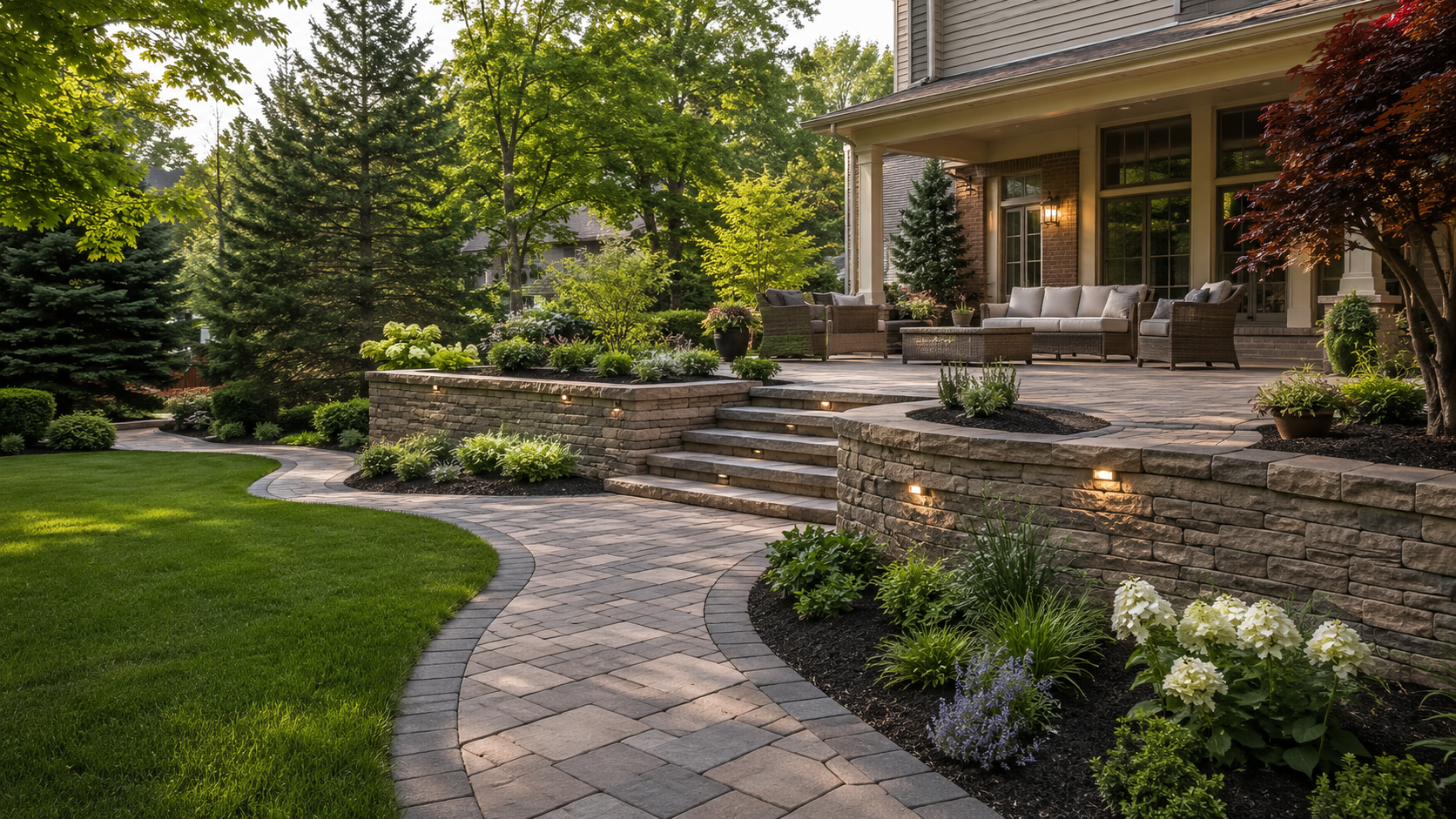
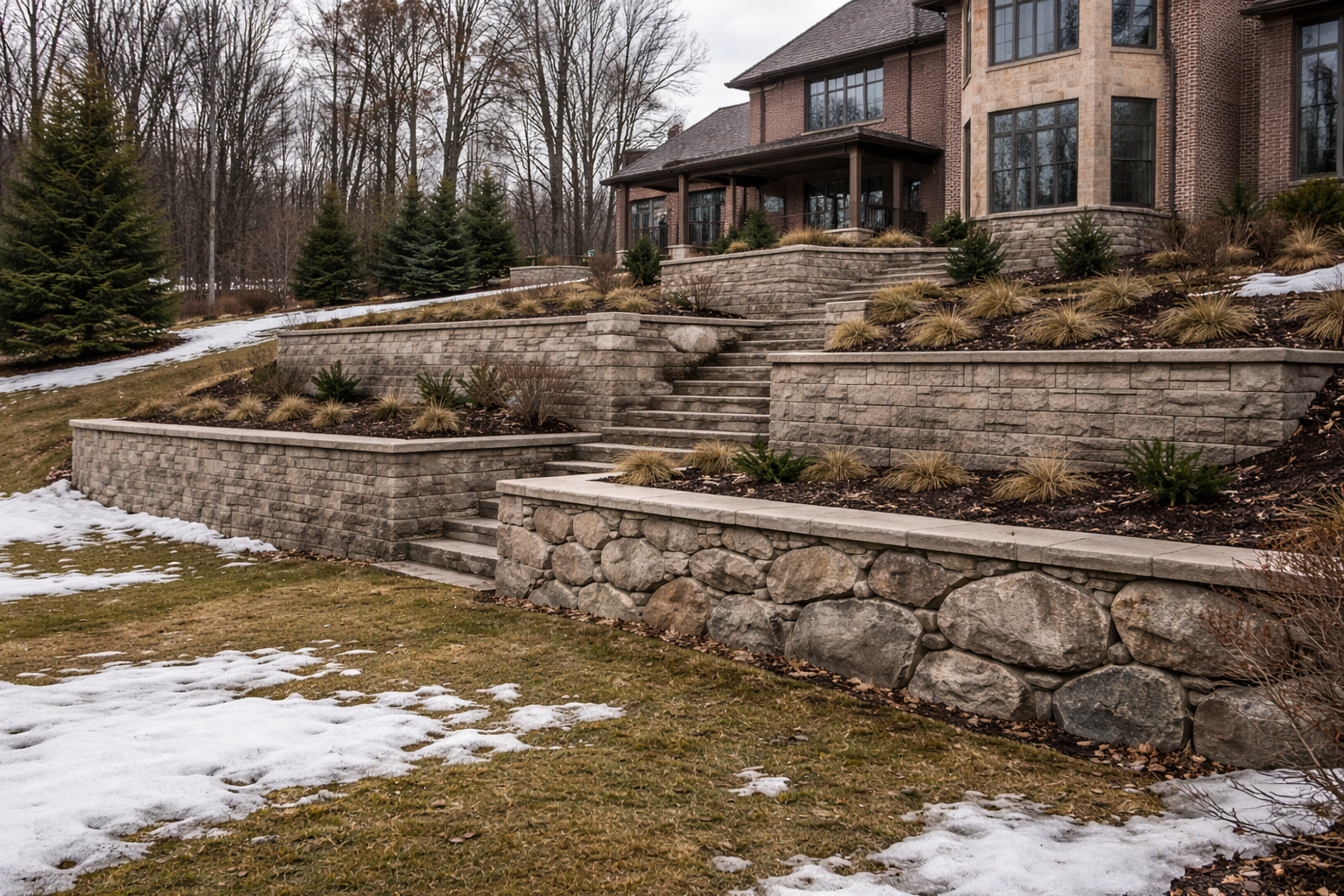
Retaining walls often define the structure of a landscape. By separating elevation levels, they create terraces that allow different areas of the yard to serve distinct purposes.
For example, one level might include a patio while another supports planting beds or lawn space. This layered approach can dramatically improve how outdoor areas are used.
Creating Functional Outdoor Living Spaces
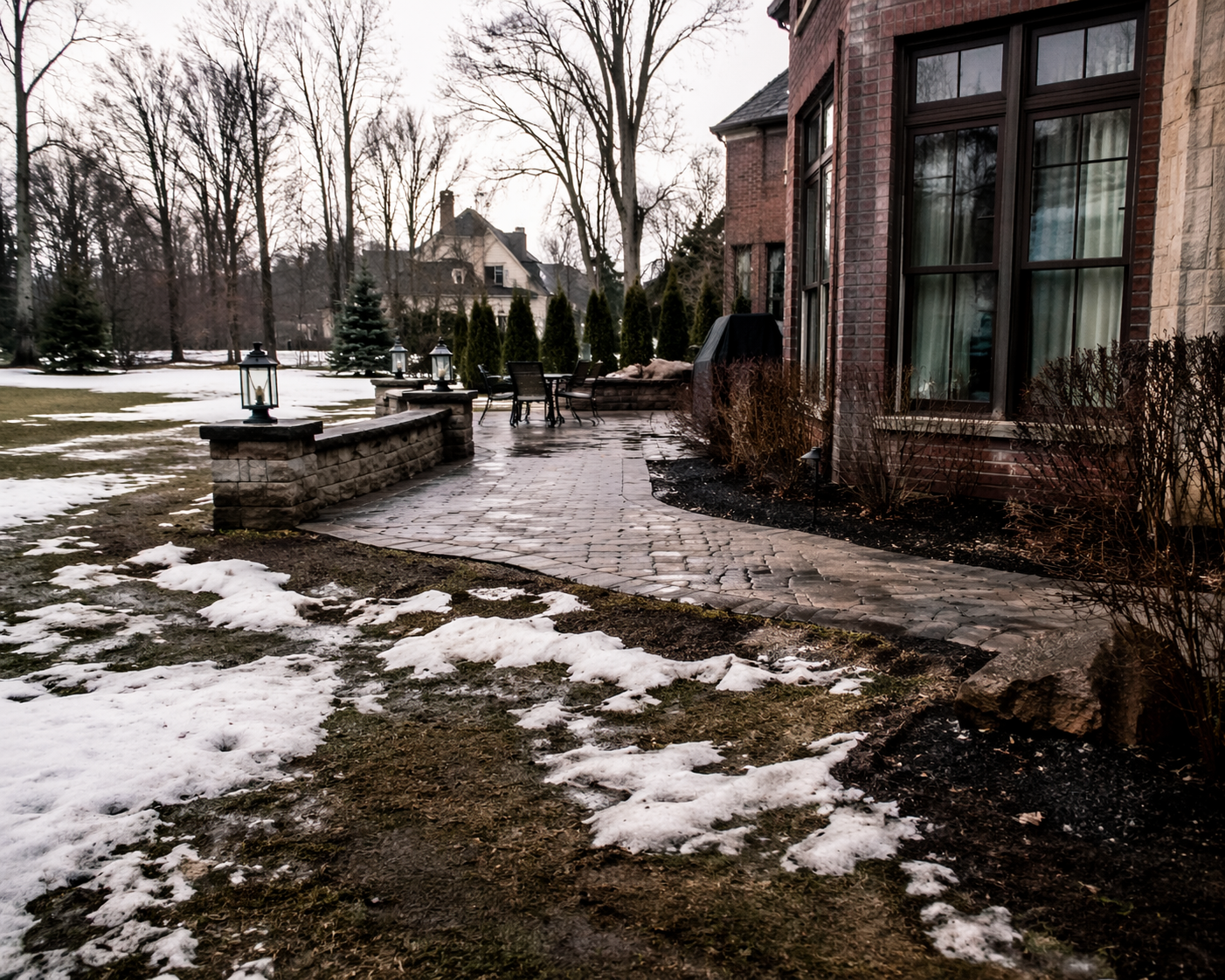
Many outdoor living environments rely on retaining walls to create stable foundations. Patios, seating areas, and walkways frequently require level ground that would otherwise be impossible to achieve on sloped properties.
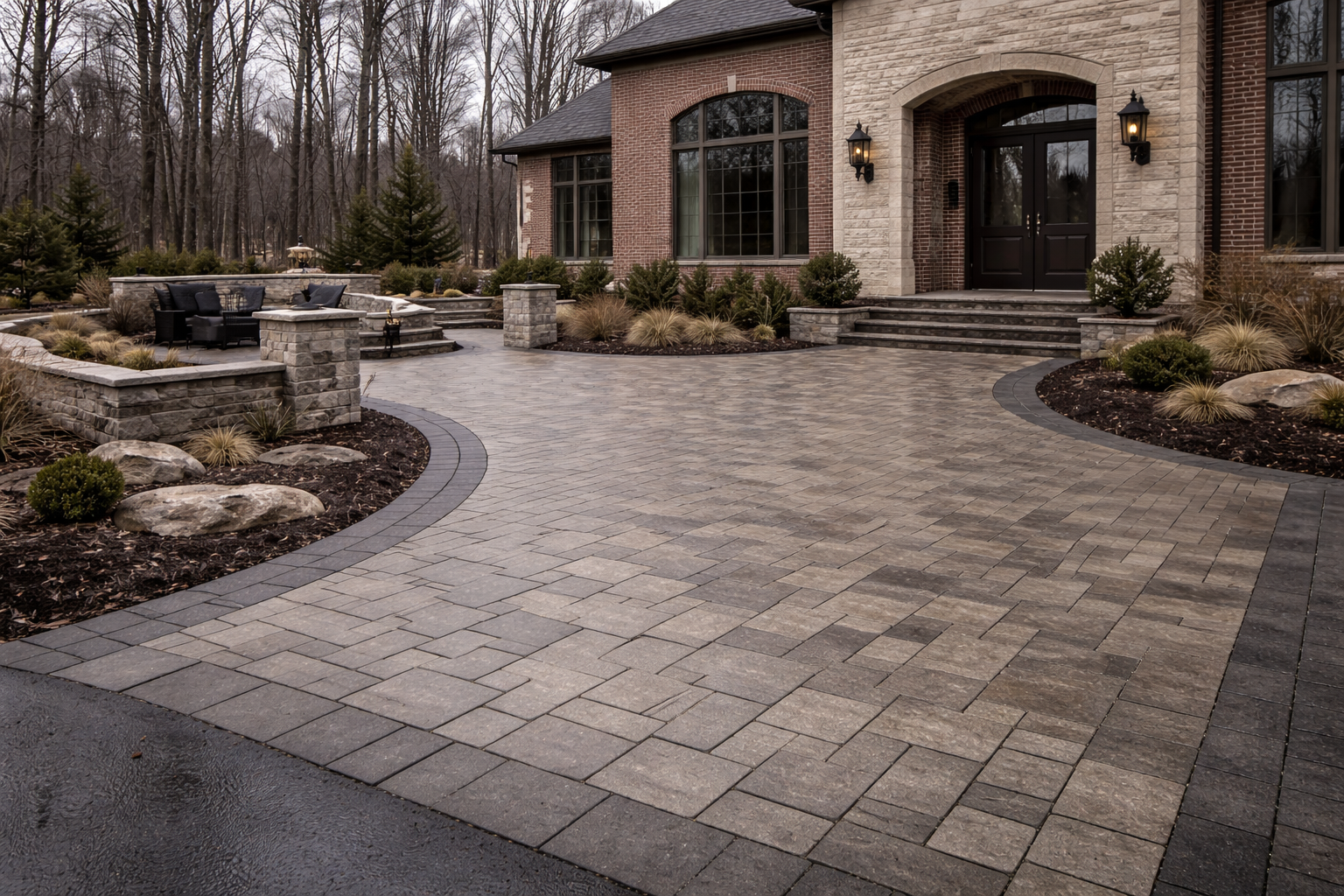
Within luxury hardscapes, retaining walls are often integrated into seating features, garden borders, and lighting installations that enhance both functionality and visual appeal.
Improving Drainage and Erosion Control
Retaining walls also play a major role in controlling erosion and directing water flow. By stabilizing slopes and supporting soil, they reduce the risk of sediment washing into lawns, patios, or nearby structures.
When properly designed, they become an important part of a landscape's overall water management strategy.
Common Retaining Wall Problems Caused by Poor Installation
Wall Leaning or Shifting Over Time
One of the most common signs of a failing retaining wall is visible leaning. This typically occurs when the wall lacks a stable base or when soil pressure exceeds the structure's capacity.
Drainage Failures Behind the Wall
If water is not able to escape from behind the wall, pressure builds quickly. Over time this pressure can cause cracking, bulging, or complete structural failure.
Surface Cracking and Material Separation
Michigan's freeze-thaw cycles create repeated expansion and contraction within outdoor materials. When retaining walls are not built with proper drainage and base preparation, these seasonal stresses can accelerate deterioration.'
Why Professional Hardscape Installation Matters
Retaining walls may appear simple from the outside, but their structural performance depends on precise construction techniques. Base preparation, soil reinforcement, and drainage systems must all work together.
Experienced professionals performing hardscape installation understand how these elements interact, ensuring the finished structure remains stable for many years.
When a Retaining Wall Project Requires Professional Planning
Evaluating the Property Before Construction
Before building a retaining wall, professionals evaluate slope conditions, soil composition, and drainage patterns. This analysis determines whether the wall requires reinforcement or specialized drainage systems.
Designing Retaining Walls That Last
Successful retaining wall projects begin with thoughtful hardscape design. The design must account for height, soil pressure, drainage, and the overall layout of the landscape.
Choosing a Contractor Experienced in Detroit Landscaping
Working with professionals familiar with local soil conditions helps ensure retaining walls perform reliably in Michigan climates. Experienced detroit landscaping contractors understand how regional weather and soil conditions affect long-term structural performance.
Planning a Retaining Wall Project for Long-Term Landscape Stability
Questions Homeowners Should Ask Before Building
Homeowners should understand the intended function of the wall, the materials being used, and how drainage will be managed. These details influence both the durability and maintenance requirements of the structure.
Combining Retaining Walls With Broader Residential Landscaping Projects
Retaining walls are rarely isolated features. They often work best when incorporated into larger residential landscaping plans that include patios, planting beds, and walkways.
Building a Landscape That Remains Stable for Years
A properly constructed retaining wall becomes part of the property's structural infrastructure. With correct installation and drainage planning, these walls can support landscapes for decades.
Determining Whether Your Yard Needs a Retaining Wall
If your yard includes steep slopes, soil erosion, or areas that remain unstable after heavy rain, a retaining wall may provide the structural support needed to stabilize the landscape.
A professional evaluation can determine whether grading adjustments, drainage improvements, or structural walls are required. In many cases, retaining walls become part of broader hardscape installation and landscape improvement projects that enhance both the function and appearance of the property.
Frequently Asked Questions
How do I know if my yard needs a retaining wall?
Yards with steep slopes, persistent erosion, or areas where soil is sliding downhill may require structural support. Retaining walls are often used to stabilize these conditions and create level spaces.
Are retaining walls purely decorative?
While retaining walls can enhance the visual appearance of a landscape, their primary purpose is structural. They hold soil in place and prevent erosion or collapse on sloped properties.
Do retaining walls require drainage systems?
Yes. Drainage behind the wall is critical for relieving water pressure. Without proper drainage, water buildup can cause the wall to shift or fail over time.
What materials last the longest for retaining walls?
Segmental concrete blocks, natural stone, and reinforced concrete are among the most durable materials. The best choice depends on structural requirements and design preferences.
Can retaining walls increase usable yard space?
Yes. By creating level terraces, retaining walls allow homeowners to build patios, planting beds, and lawn areas on sloped properties that would otherwise be difficult to use.