Commercial Landscaping In Detroit: Business Curb Appeal Guide
Business Curb Appeal In Detroit
How A Landscape Construction Company Protects Your Property And Brand
If you manage a commercial property in Metro Detroit, you already know how fast people judge a site. Clients, tenants, and employees form an opinion in the parking lot before they ever step through the door. Cracked concrete, patchy turf, overgrown shrubs, and icy walkways send one message. Clean entries, healthy plantings, and well planned lighting send another.
That gap is where a professional landscape construction company earns its keep. Commercial landscaping is not just about planting shrubs or “keeping the grass short.” For Detroit businesses it is about brand image, safety, and long term protection of a very expensive asset.
In this guide we will walk through what smart commercial landscaping in Detroit should include, how it differs from residential landscaping, and what to look for when you evaluate landscapers Detroit for your site. By the end you will know what commercial curb appeal should do for your business and how to choose a detroit landscaping company that can deliver, season after season.
Someone searching this wants to understand what commercial landscaping in Detroit should include and how to choose the right company for their property.
What Commercial Landscaping Really Does For A Detroit Business
At a glance, commercial landscaping looks simple. There is grass. There are shrubs. Someone shows up with mowers and trucks. But a well planned commercial landscape touches almost every part of how a property feels and functions.
Commercial landscaping is the coordinated care of everything outside your building, including
• Entrance plantings and signage beds
• Parking lot islands and medians
• Walkways, plazas, and seating areas
• Trees near streets and drives
• Site lighting around walk routes and doors
• Snow and ice management and winter safety
• Seasonal enhancements like color beds and planters
Done well, this work supports three outcomes that matter to every property manager and owner.
First impression and brand image
Landscaping is the suit your property wears every day. A medical office wants calm and clean planting at the entrance. A creative agency might lean toward bold textures and modern lines. An industrial facility still needs a site that looks safe and organized, not neglected. A detroit landscaping company that understands branding will design planting and hardscape to match the feeling your tenants or customers expect.
Safety and risk reduction
A pretty entrance is not enough if people are slipping on ice or tripping over broken edges. Commercial landscaping includes planning for snow routes, de icing, clear lines of sight, and well lit walkways. The goal is to move people from parking to door safely, in every season.
Protection of the property asset
Good grading, drainage, and plant choice protect your building and pavement. Poorly thought out beds can trap water against foundations. The wrong tree in the wrong place can lift sidewalks or crack curbs. Smart landscape installation prevents these problems instead of fixing them later at a higher cost.
When you work with an experienced landscape construction company, you are not just buying “grass cutting.” You are buying a long term plan for how the outside of your property looks, performs, and ages over time.
Commercial Versus Residential Landscaping
Why Business Sites Are A Different Game
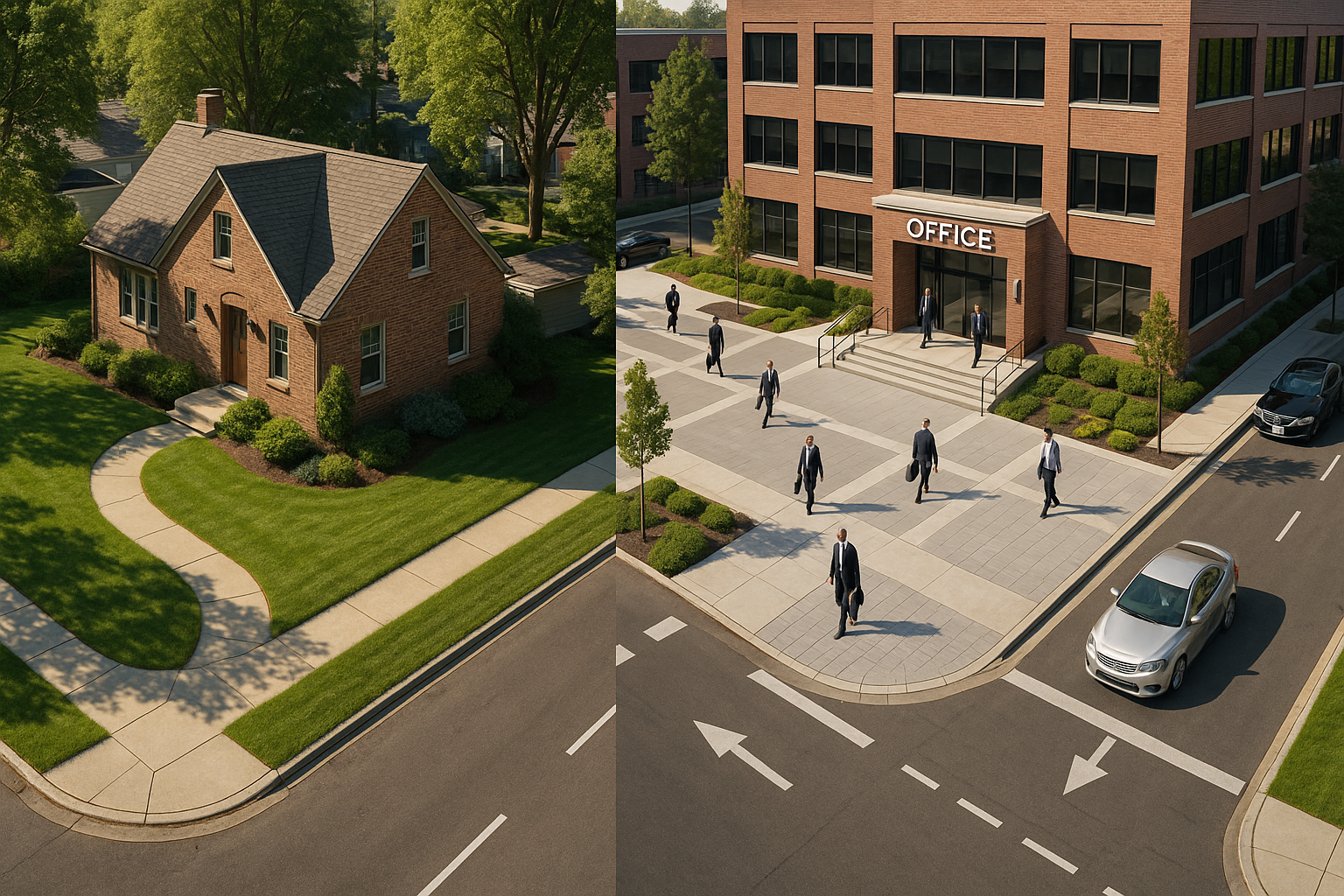
It is tempting to think of commercial work as “residential landscaping but bigger.” In practice it is a very different game.
Different priorities
Homeowners usually care first about personal taste and outdoor living. They want a comfortable patio, a private yard, or better views from their windows. Commercial sites serve many people with very different needs. Property managers worry about
• Clean, professional appearance
• Clear traffic flow for cars and pedestrians
• Compliance with company brand standards
• Safety and access for all users
• Maintenance that fits an operating budget
A plaza in front of an office tower carries hundreds of footsteps each day. A retail parking lot sees constant vehicle movement, carts, and delivery trucks. That level of use demands more durable materials and tighter planning than a typical backyard.
Different usage patterns
On a business site you are coordinating
• Tenants, staff, and visitors arriving in waves
• Delivery trucks and service vehicles
• Shared sidewalks between separate suites
• Parking areas that have to feel safe after dark
That means plantings cannot block sightlines. Entrances have to be obvious from the street. Walkways must be wide enough and direct enough to match real world traffic.
Different budgets and timelines
Residential landscaping often happens as a one time project with smaller tune ups later. Commercial properties operate on annual budgets, capital improvement plans, and board approvals. A multi year landscaping plan might phase in new trees, updated entries, and parking lot work over time to spread cost.
Rohto can care for both home and business sites, but the design and construction decisions for a medical campus, retail center, or office park are very different from a single family yard. That is why a business should look for a partner with deep commercial experience, not just nice photos of home gardens.
First Impressions And Brand Image
How Curb Appeal Impacts Tenants And Customers
People make up their minds about a property in seconds. They pull in, scan the parking lot, and immediately feel “this place is cared for” or “this place is tired.”
Here is what they notice without consciously thinking about it
• Whether the lawn and planting beds are neat or patchy
• Whether trash, leaves, and weeds are under control
• Whether drive aisles and walk paths are clearly defined
• Whether signage is framed and visible, not hidden by shrubs
• Whether lighting makes the property feel safe after dark
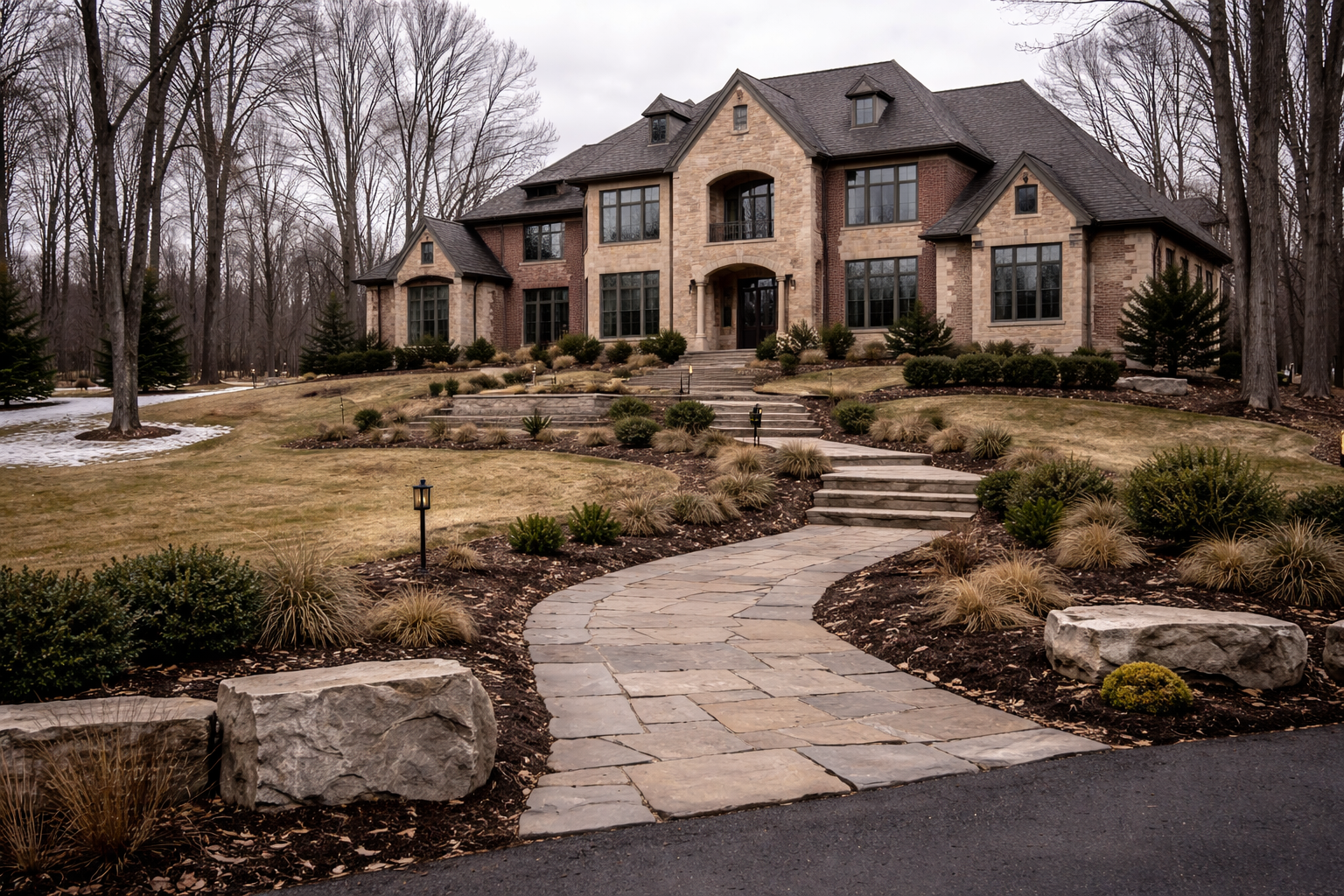
A retail center with sun baked turf and a few scattered shrubs sends a different message than one with layered planting beds, ornamental trees, seasonal color, and clean edges around parking islands. Tenants know it, and so do their customers.
At an office park, an upgraded entry can reinforce a premium brand. Think structured trees along the drive, low maintenance evergreen massing around the sign, and a well proportioned plaza with benches where staff can step out with coffee. None of that is accidental. It is designed.
Over the last several seasons our team has refreshed entrances for multiple Detroit area medical offices and business parks. In each case the impact reached beyond looks. Tenants reported feeling more confident bringing clients through the door. Staff appreciated arriving at a site that looked awake and cared for, even in late winter.
A strong detroit landscaping company will ask questions about your business image before proposing plant lists or plaza layouts. Are you aiming for modern and minimal, lush and welcoming, corporate formal, or industrial clean. The right design choices tell that story the moment someone pulls into the lot.
Safety, Liability, And Compliance
Why Commercial Sites Need Pro Level Grounds Management
Curb appeal is the visible side of commercial landscaping. Safety and compliance are the parts that keep property managers up at night.
Winter safety in parking areas and walkways
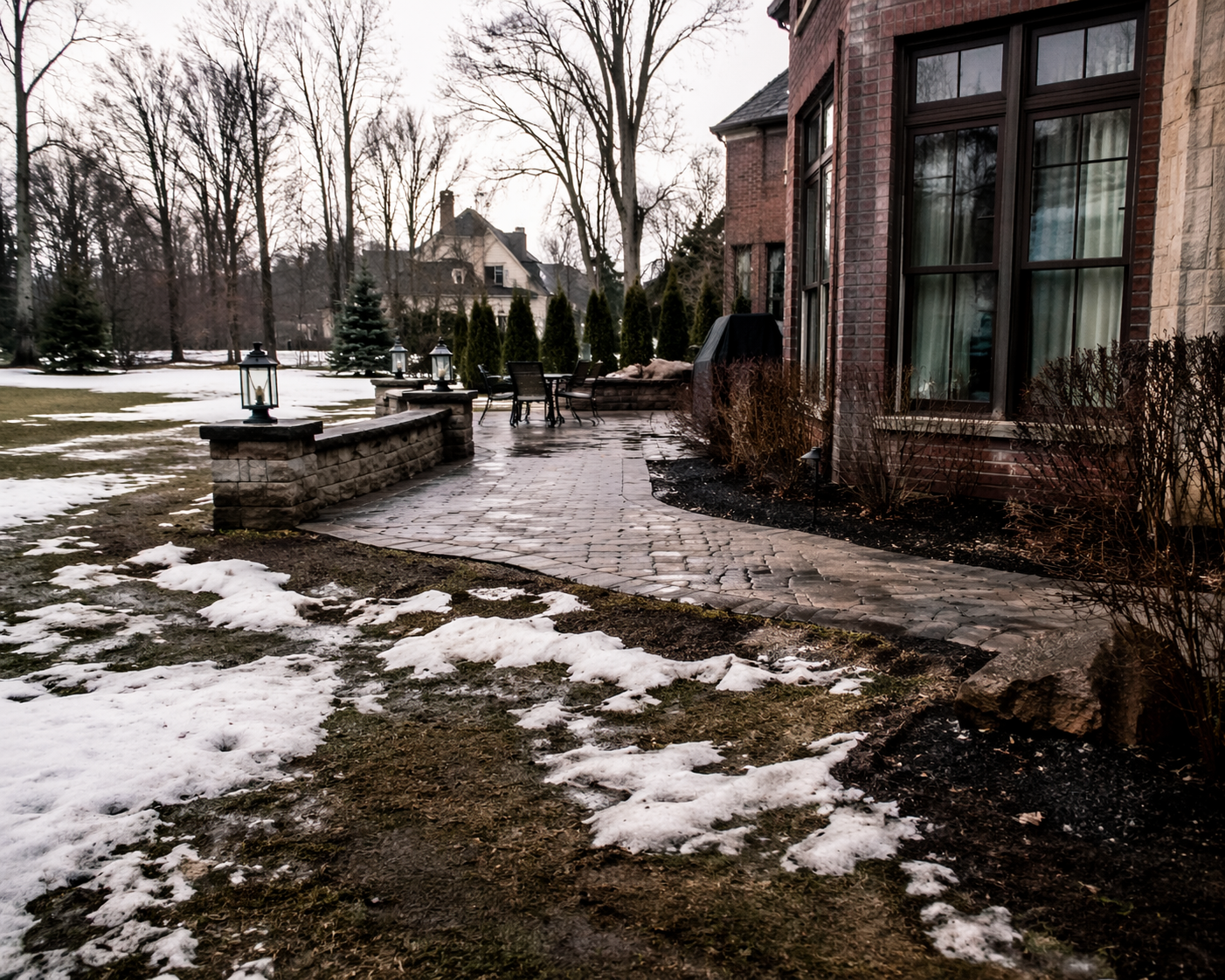
In Metro Detroit, winter risk is real. Snow and ice build up on steps, ramps, and crosswalks. Melt water refreezes overnight in the same trouble spots. A rushed salt pass at the front door is not enough.
A professional crew plans winter operations the same way an engineer plans a project. That includes
• Mapping primary and secondary walk routes
• Identifying slopes, shaded areas, and recurring ice zones
• Setting trigger depths and response times for plowing and de icing
• Planning where snow will be piled so it does not block views, signs, or drains
Landscaping and landscape installation decisions support this. Beds should not block safe snow storage. Plantings near drives and corners should allow clear sightlines, even when branches are snow covered. Hardscape surfaces need appropriate texture to reduce slips.
Lighting, sightlines, and visibility
Trees, shrubs, and berms can help security or hurt it. Overgrown plant masses create hiding spots. Poorly placed trees can block views of entrances from the street or from inside the building.
Thoughtful design keeps key areas in view
• Lobbies and main entries
• Side doors and employee entrances
• Walkways between parking and the building
• Monument signs and directional signs
Low branches are pruned up. Shrubs near doors are chosen and maintained so they do not become walls. Lighting is positioned to illuminate faces and walking surfaces, not just throw glare into the distance. Good commercial landscaping integrates security thinking from the beginning.
Codes, permits, and municipal rules
Most cities in Metro Detroit have landscape ordinances that affect commercial sites. These can include
• Minimum tree counts or canopy coverage for parking lots
• Required green space percentages
• Setbacks from property lines and sight triangles at drive entrances
• Rules around irrigation system design and water use
An experienced landscape construction company will talk through these requirements early in the process. They will coordinate with your civil engineer or architect when needed, and help you avoid designs that will trigger costly revisions at permit time.
Licensed, insured, and code aware grounds management may not be visible on day one, but it significantly reduces risk over the life of a property.
Designing A Commercial Site That Actually Works
From Concept To Landscape Installation
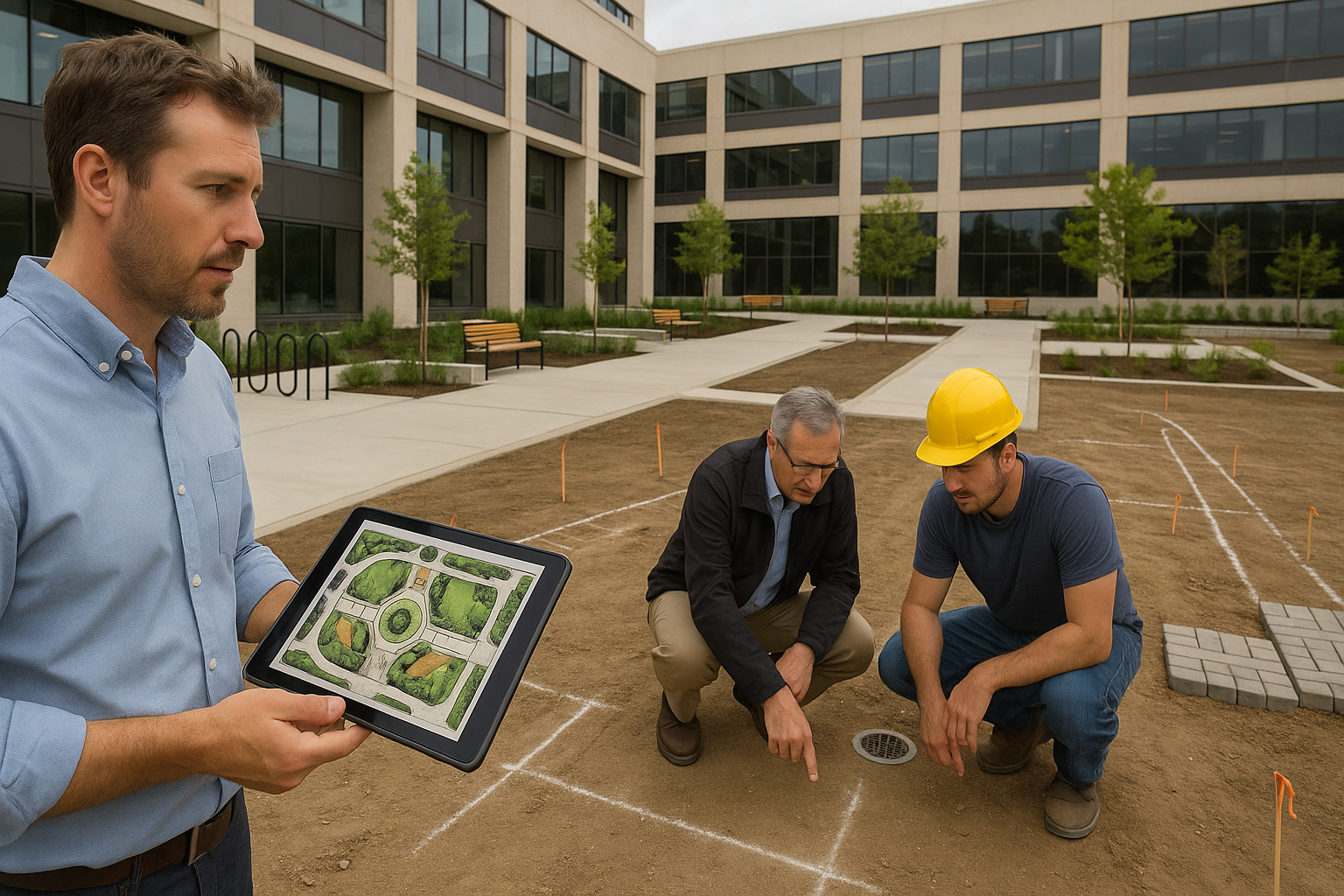
For business properties, good looks are not enough. The layout has to work under real conditions, in every season.
Hardscape, circulation, and access
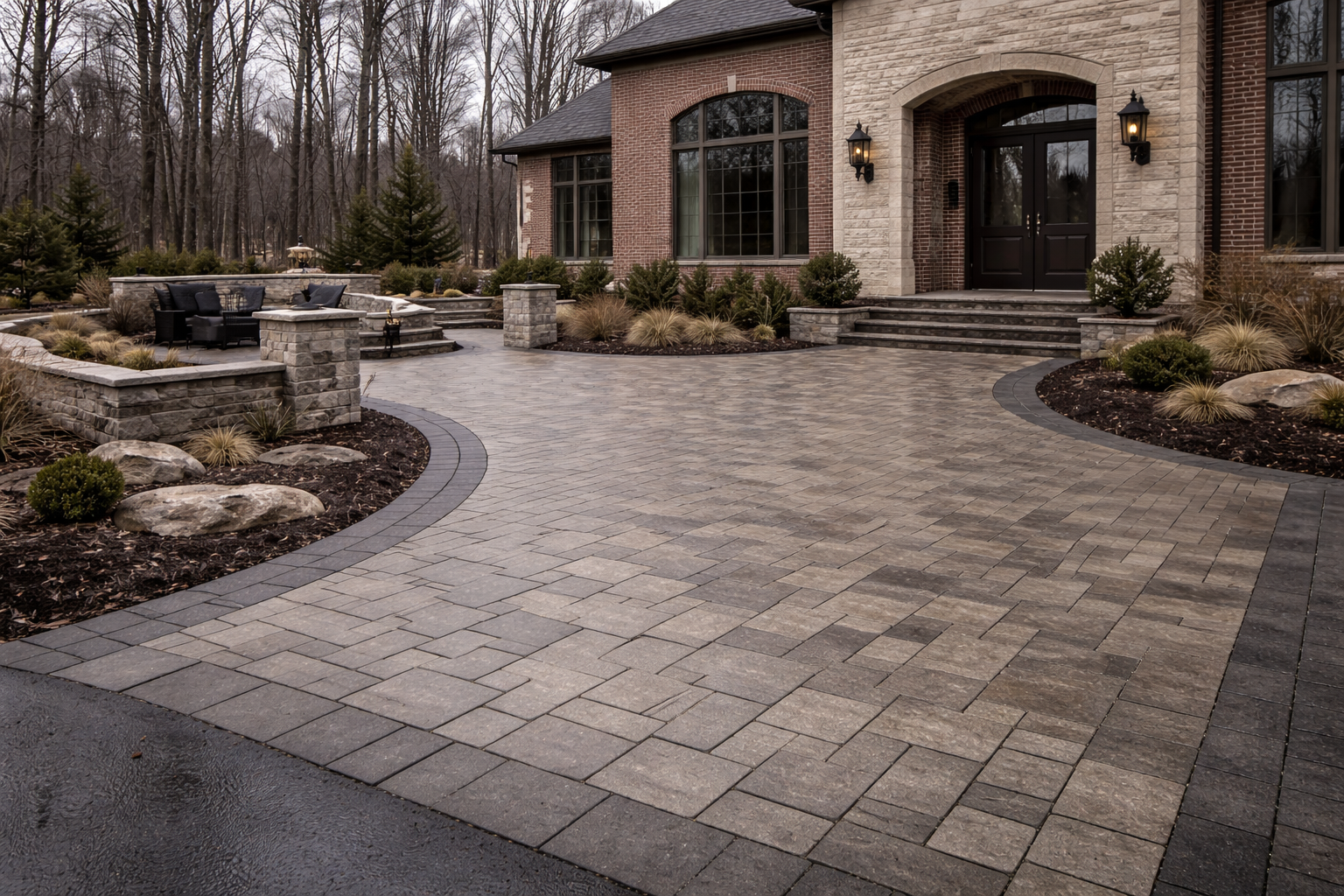
Walkways, plazas, and drop off zones are the skeleton of a commercial landscape. They determine how people and vehicles move, where they cross, and how it feels to arrive.
Effective hardscape planning addresses
• Direct, accessible routes from parking to entrances
• Clear pedestrian crossings across vehicle paths
• Logical locations for benches, bike racks, and waiting areas
• Space for deliveries and service access that does not conflict with visitors
Driveways and walkways need to align with how people actually approach the building. A common mistake is creating a beautiful central walk that no one uses because most visitors enter from the side. A complete plan connects main entries, secondary doors, and key destinations with logical paths.
On most commercial projects, landscape installation starts with this base work. That includes grading, underground drainage, curbs, concrete work, and any paved plazas. Only after the structure is right do plants go in.
Planting for durability and low upkeep
Plants on a business site work harder than those in a typical yard. They face heavier foot traffic, more reflected heat from pavement, and more salt from winter operations.
A commercial planting plan takes this into account
• Trees that handle urban conditions and do not drop messy fruit in key walkways
• Shrubs and perennials that tolerate wind, salt spray, and occasional drought
• Groundcovers that fill beds and suppress weeds with fewer maintenance visits
Plant layers frame the building and signs without hiding them. Taller plantings can be used thoughtfully to screen utilities, dumpsters, or service areas, while low plantings keep views open at corners and crossings.
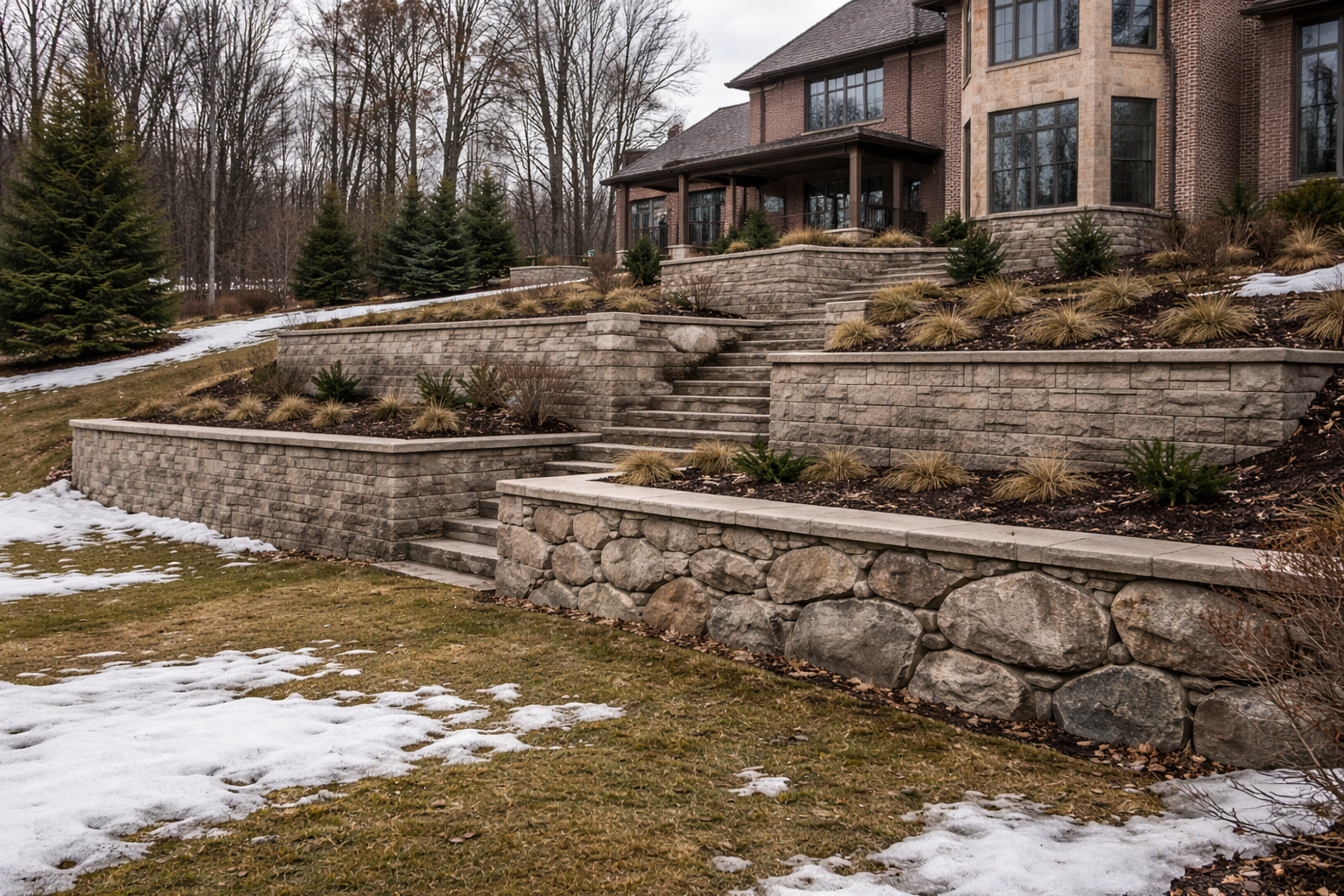
Drainage, grading, and long term protection
Stormwater is a constant reality for big paved areas. When drainage is neglected, water collects in low spots, refreezes into sheets of ice, seeps toward foundations, or erodes unprotected slopes.
Smart commercial landscape installation coordinates with civil grading plans. That can include
• Directing surface water toward inlets and swales
• Using stone or turf reinforcement in high volume flow paths
• Incorporating permeable materials in appropriate zones
• Ensuring soil around buildings slopes away, not toward foundations
Handled well, these details protect asphalt, concrete, and structures for many seasons, not just the first few years.
Year Round Maintenance And Service Plans
Commercial clients are not shopping for random visits. They need a predictable, year round plan that keeps their site presentable and safe without constant micro management.
A typical grounds maintenance program for a Detroit area business may include
• Spring cleanup: stick and debris removal, bed edging, first mow, first fertilizer
• Growing season care: weekly or biweekly mowing, detail trimming, bed weeding, pruning as needed
• Summer checks on irrigation, plant health, and mulch levels
• Fall cleanup: leaf removal, final cut, cutback of perennials
• Winter services where included: plowing, sidewalk clearing, and de icing
Larger properties may add seasonal color rotations, tree care, and periodic bed renovations to keep the site from feeling stale.
For many managers, the appeal of a single provider is strong. One vendor handles lawn service Detroit Michigan, bed care, pruning, and snow. Site walks and reports come from the same team, and there is one point of contact for questions or issues.
Longer term contracts offer benefits on both sides
• Stable, predictable costs for the owner or association
• Crews who know the property, trouble spots, and priorities
• Less time chasing bids and bridging gaps between multiple vendors
The right detroit landscaping company will be willing to tailor a plan around your property type, whether that is a medical office, industrial park, retail center, or mixed use site.
How To Choose The Right Landscape Construction Company In Detroit
Choosing a partner for commercial landscaping is closer to hiring a key vendor than buying a one time project. You want a relationship you can trust.
Start with the basics
• Proper licensing and insurance for commercial work
• A physical presence and history in Metro Detroit
• Clear experience with properties similar to yours
Then look deeper. A strong landscape construction company for commercial work should be able to
• Show photographs or case notes from office parks, medical buildings, retail centers, or industrial sites they maintain or have built
• Explain their process for design, budgeting, and landscape installation in language that makes sense
• Describe how they handle communication: site walks, reports, and responses to issues
When you compare proposals from different landscapers Detroit, do more than look at the bottom line. Check
• Scope: Are all services you need clearly listed and scheduled
• Standards: Are visit frequencies, response times, and winter triggers spelled out
• Materials: Are plant sizes, varieties, and construction details specified
The lowest price is not a bargain if key services are vague, plants are undersized, or winter coverage is not clearly defined.
A good detroit landscaping company will welcome smart questions. They understand that you are accountable to owners, boards, or corporate offices, and they will supply the detail you need to make a confident choice.
Frequently Asked Questions From Detroit Property Managers
Property managers and owners ask similar questions when they first look at commercial landscaping in Detroit. Here are a few of the most common.
How much should a commercial landscaping contract cost in Detroit
There is no single number that fits every property. Cost depends on acreage, planting complexity, service frequency, and whether snow and ice management are included. An industrial site with simple turf and limited beds will cost less than a medical campus with detailed plantings and daily attention. The most important step is a clear, written scope so you can compare proposals fairly and avoid surprise charges later.
Do I really need a separate company for commercial work if I already use someone for residential landscaping
Some companies genuinely do both well, but many crews that focus on homes are not staffed, equipped, or insured for commercial requirements. Commercial sites demand more coordination with tenants and city rules, more robust equipment, and tighter safety procedures. If your current provider mainly handles homes, ask what commercial properties they maintain now and how they approach schedule, reporting, and winter risk.
How often should a business property be serviced
Most sites in Metro Detroit see weekly or biweekly visits during the growing season, with less frequent winter checks unless snow service is included. A small professional office on a quiet street may be fine with less frequent mowing and bed care. A high traffic retail center or medical facility usually needs consistent weekly attention so first impressions stay sharp seven days a week. Your contract should reflect your site type, expectations, and budget.
What happens if a customer slips on ice in my parking lot
Well planned snow and ice management reduces risk by keeping high traffic areas clear and treated, but no one can promise zero incidents. Documented service records, clearly defined routes, and prompt response times are all part of a responsible winter plan. For specific questions about liability and coverage, it is always wise to speak with your legal counsel and insurance provider. Landscaping supports safety, but it does not replace professional legal advice.
Conclusion And Next Steps
Commercial landscaping in Detroit is not just about mowing, mulch, and a few shrubs by the sign. It is a long term strategy for curb appeal, safety, and asset protection across every season. From the way your entrance feels in five seconds, to how stormwater moves across a parking lot, to how safe a walkway is on an icy morning, the outside of your property is working for or against your business every day.
Choosing the right detroit landscaping company is therefore a strategic decision. The right landscape construction company will understand commercial needs, local climate, and municipal rules. They will be able to design, install, and maintain a site that supports your brand, protects your investment, and makes life easier for tenants, staff, and visitors.
A practical next step is simple
• Walk your property as if you were a first time visitor and note what feels tired, confusing, or unsafe
• Gather any existing plans, site maps, or maintenance records
• Invite a qualified commercial landscaping partner to walk the site with you and discuss options
If you are ready to upgrade your property’s curb appeal and safety with a long term partner instead of short term fixes, schedule a consultation with a commercial landscape expert. A focused, well planned landscape installation and maintenance program can make your Detroit property stand out for all the right reasons.