Outdoor Kitchen Design for Metro Detroit Backyards: Planning a Custom Cooking Space
Outdoor kitchen design is the planning discipline that comes before any construction begins. It is the stage where zones, layout, traffic flow, covered structures, materials, utilities, and the relationship to the rest of the backyard are organized into one connected plan. For Metro Detroit homeowners, that planning is what separates an outdoor kitchen that feels built into the backyard from one that feels added after the fact.
What Outdoor Kitchen Design Should Actually Accomplish
An outdoor kitchen is a designed component of the property, not a grill on a slab. Good outdoor kitchen design has to support cooking, prep, serving, seating, traffic flow, and the surrounding hardscape at the same time. The best plans come from how the space will be used, not from a product list.
The way the household actually cooks and entertains drives most of the early decisions. A kitchen used most weekends for casual dinners works differently than one built for larger gatherings.
Integration with the home is the second job. An outdoor kitchen that ignores the patio surface, the home's architecture, and the surrounding landscape reads as separate from the property.
Long term performance is the third job. Design choices about materials and exposure belong at the planning stage. Good hardscape design and installation in Metro Detroit starts there.
Planning Cooking, Prep, Serving, and Seating Zones
Strong outdoor kitchen design begins with zones, not appliances. The four working zones every kitchen needs are cooking, prep, serving, and seating. Naming the zones first makes everything else easier: size, layout, materials, and where the kitchen should sit relative to the rest of the yard.
The cooking zone is the heart of the kitchen. It needs uninterrupted working space and a clean relationship to the prep zone.
The prep zone supports the cook. It is where food gets ready before it reaches heat, and where serving plates wait between courses.
The serving zone is the handoff. It is where finished dishes leave the work area and reach guests without crossing through the cooking zone.
The seating zone is where people gather. It can be at a counter, at a table, or at a separate patio area. The grill matters, but it should not lead the design. It belongs inside the cooking zone after the zones are understood.
Outdoor Kitchen Layout and Traffic Flow
Layout follows the zones. Once the four zones are placed, the kitchen's shape almost designs itself: straight line, L-shaped, U-shaped, or island. Each layout supports a different traffic pattern and a different relationship between the cook and the guests.
A straight-line layout works well against a wall or along a patio edge. It is simple, efficient, and easy to integrate with the home.
An L-shaped layout creates two work surfaces at a right angle. It separates cooking from prep more cleanly than a straight line.
A U-shaped layout surrounds the cook on three sides. It works for larger kitchens with multiple workstations.
An island layout sets the kitchen as a freestanding feature with possible seating on one side. Islands work well on larger patios.
Traffic flow holds the layout together. The cook should be able to work without blocking guests, and guests should be able to move around the kitchen without entering the work zone.
Where to Place the Outdoor Kitchen in the Backyard
Placement is a design decision, not a default. Where the outdoor kitchen sits affects how often it gets used, how easily the cook moves between the indoor and outdoor kitchens, and how the backyard reads. The right spot supports the household's habits and the property's geometry.
The relationship to the kitchen door is the most important variable. People carrying food back and forth do not want to cross the entire patio. The outdoor kitchen usually belongs within an easy line of travel from the indoor one.
Sightlines from inside the home matter too. The view from the kitchen window or back door influences how the space reads when no one is cooking.
Wind and smoke direction deserve a planning-level thought. The cook should not be cooking into a wall of smoke, and seating should not sit downwind of the grill.
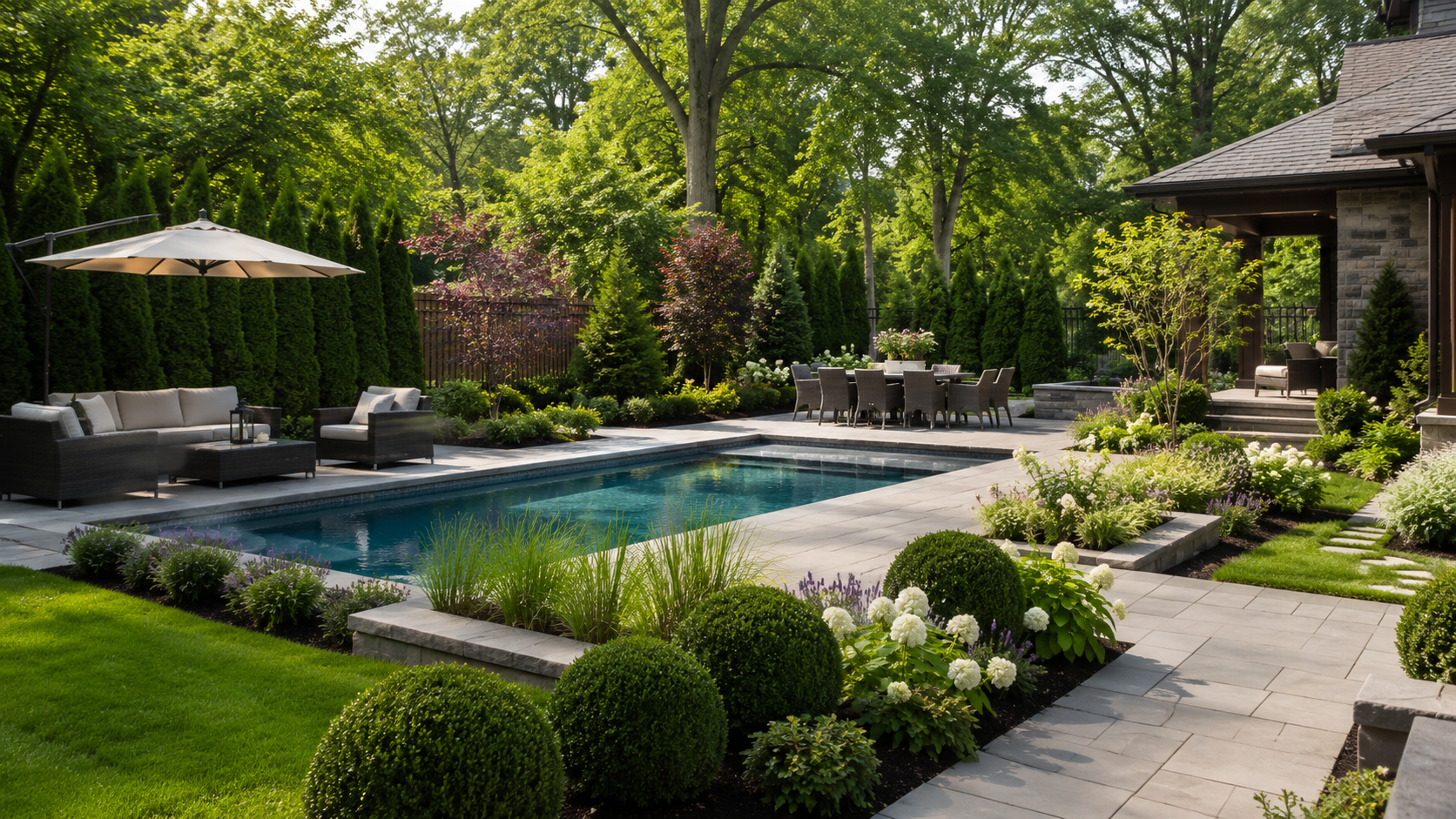
Pool adjacency is one possible relationship for properties with a pool. Where it applies, the kitchen and the pool area should read as a connected outdoor zone.
Covered Outdoor Kitchen Ideas at the Planning Stage
Covered outdoor kitchen ideas belong at the planning stage, not as an afterthought. A pergola, pavilion, roof extension, or simple overhang changes how the kitchen performs in real weather and how often the household actually uses it. The cover should be planned with the kitchen because the structure influences placement, ventilation, and integration with the home.
A pergola gives partial cover and a sense of room without enclosing the space. It works well when light filtration and airflow matter more than full weather protection.
A pavilion or full roof structure adds more weather protection and lets the kitchen function in a wider range of conditions.
A roof extension from the home is the most integrated option. It ties the outdoor kitchen directly to the architecture and can simplify utility routing during the build.
Light and airflow have to be considered at the planning stage. A covered outdoor kitchen still needs to account for heat, smoke, airflow, and natural light so the space feels comfortable instead of closed in.
Custom Outdoor Kitchen Decisions That Shape the Build
A custom outdoor kitchen differs from a simple grill station because every decision is shaped by the household and the property. Layout, components, storage, seating, finish choices, and the fit to the home are design moves rather than catalog picks. The result is a kitchen that suits one homeowner, not any homeowner.
Layout is the first custom decision. Where the zones sit and how the kitchen meets the patio shape the rest of the design.
Components follow the zones. Storage, counter space, and other features earn their place because the design needs them, not because a brochure suggests them.
Seating belongs in the custom decisions too. A counter that doubles as a seating bar, a dining area, or a lounge connection can all change how the kitchen lives.
Finish choices pull everything together. The materials, colors, and proportions should respond to the house and the surrounding hardscape.
Scope, materials, utility needs, and covered structure all influence the project's investment. When those decisions raise budget questions, homeowners can review what hardscape projects actually cost in Metro Detroit separately without turning the design plan into a pricing exercise.
Materials and Durability at the Design Level
Material choices belong in the design phase, not the build phase. Selecting surfaces, finishes, and structural materials before the build begins lets the design respond to weather exposure, regular use, and the look of the home. Pushing those decisions into the field almost always produces compromises.
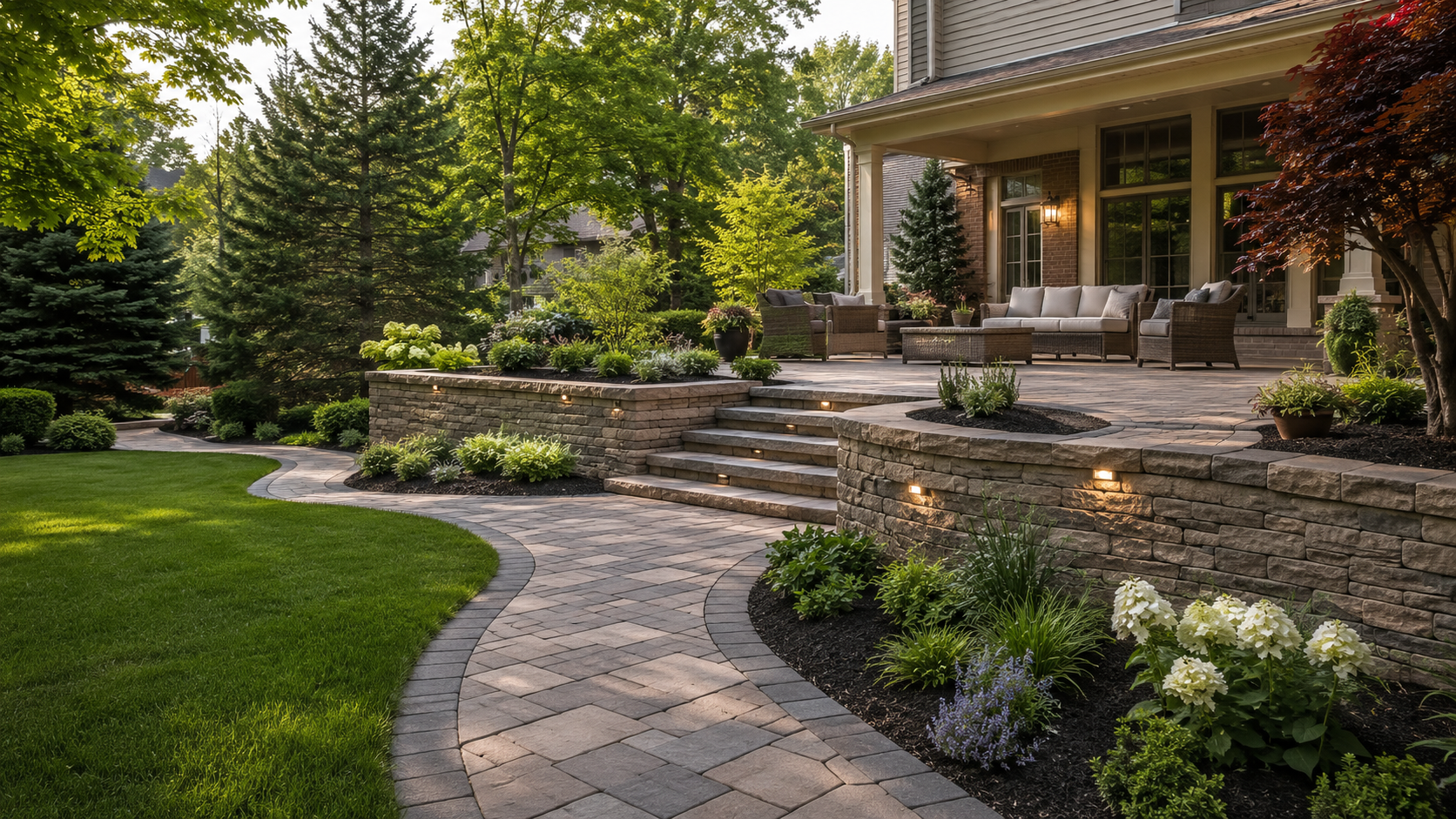
Materials around an outdoor kitchen should suit several things at once. They have to relate to the home's architecture, work with the surrounding hardscape, and handle the realities of outdoor use, including Metro Detroit weather exposure.
Cohesion matters as much as durability. The deck, the counter material, the kitchen surround, and any covered structure live in the same view. A coordinated palette across those elements signals design discipline.
For homeowners who want a closer look at how outdoor kitchen materials and construction perform over time, a deeper outdoor kitchen durability guide covers it in more depth.
Utility Planning Before the Build Begins
Utility planning is a design consideration, not a build-day discovery. Gas, electric, and water access all affect where the outdoor kitchen can sit, how the layout works, and which components are practical to include. The planning stage is when these questions need clear answers.
Gas placement influences cooking zone location. Where the gas can be routed without disturbing finished surfaces decides whether a particular layout is even possible.
Electric routes affect lighting placement and any outlets the kitchen will need. Routes decided late usually require compromises that show up later.
Water adds capability but increases utility complexity. A sink requires both supply and drainage, so deciding early whether the kitchen needs one shapes the rest of the design.
Moving utilities after the build is one of the most expensive corrections a homeowner can face. Planning the routes before the build prevents that situation entirely.
How a Resolved Design Supports a Cleaner Installation
A resolved design makes the build cleaner. When elevations, utility access, appliance locations, transitions, and material choices are decided on paper, the crew is installing decisions rather than making them. That is what gives outdoor kitchen installation the precision a custom build requires.
Elevations and transitions are common pressure points. Where the kitchen meets the patio and any covered structure should be coordinated before crews are in the field.
Appliance locations belong in the design, not the install. Once the zones are placed, the cooking and prep components have a clear home. Field-day decisions almost always lead to compromises that the homeowner notices later.
Material choices also affect outdoor kitchen installation. When the surfaces and finishes are specified ahead of time, the build proceeds without delays caused by mid-project sourcing.
Future Features and Full Backyard Integration
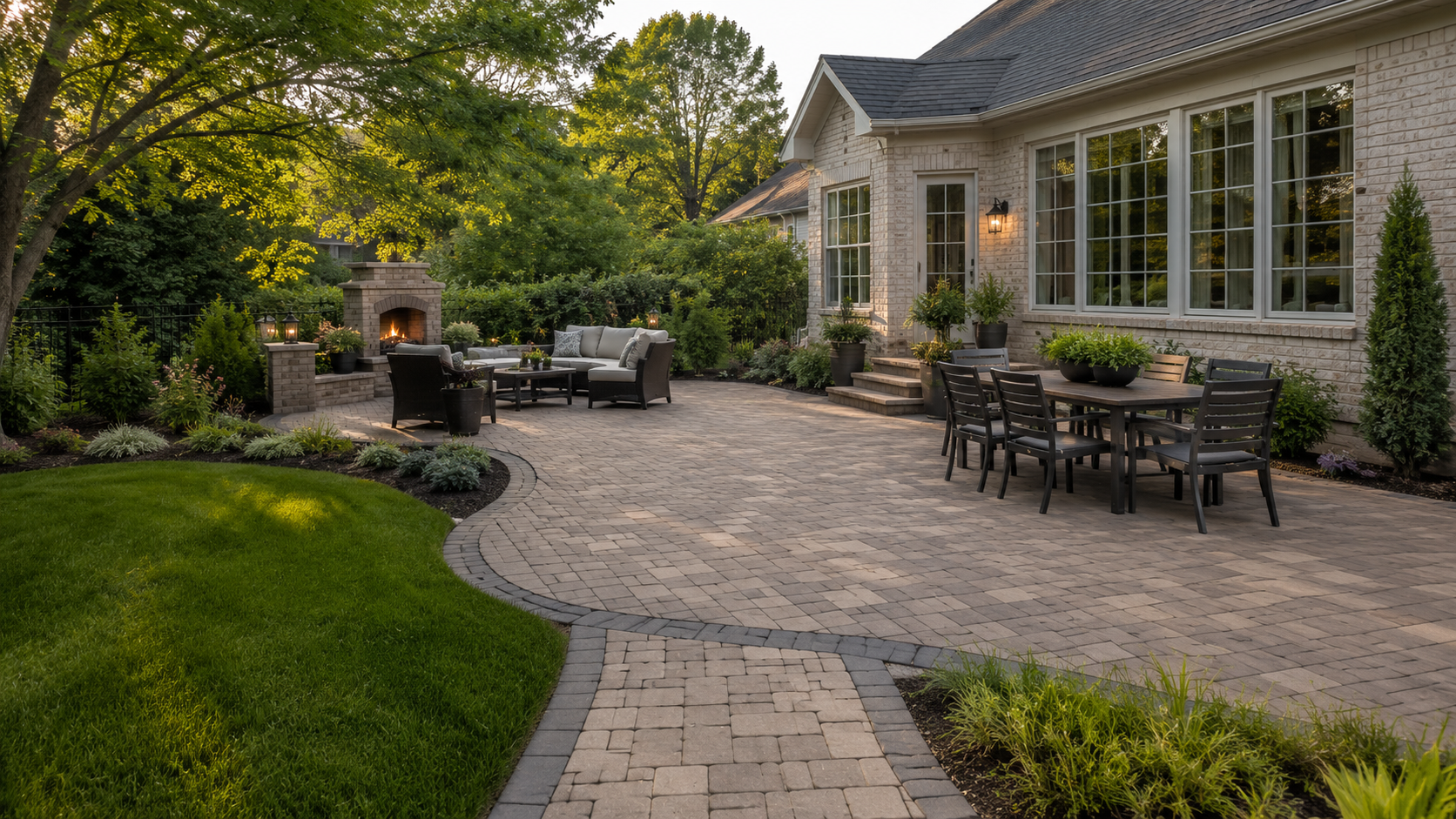
The outdoor kitchen should be designed with the broader backyard in mind, not as an isolated zone. Adjacent fire features, lighting, seating areas, future expansions, and even pool areas all influence how the kitchen sits and how usable it will feel as the yard evolves. Planning for those relationships now prevents rework later.
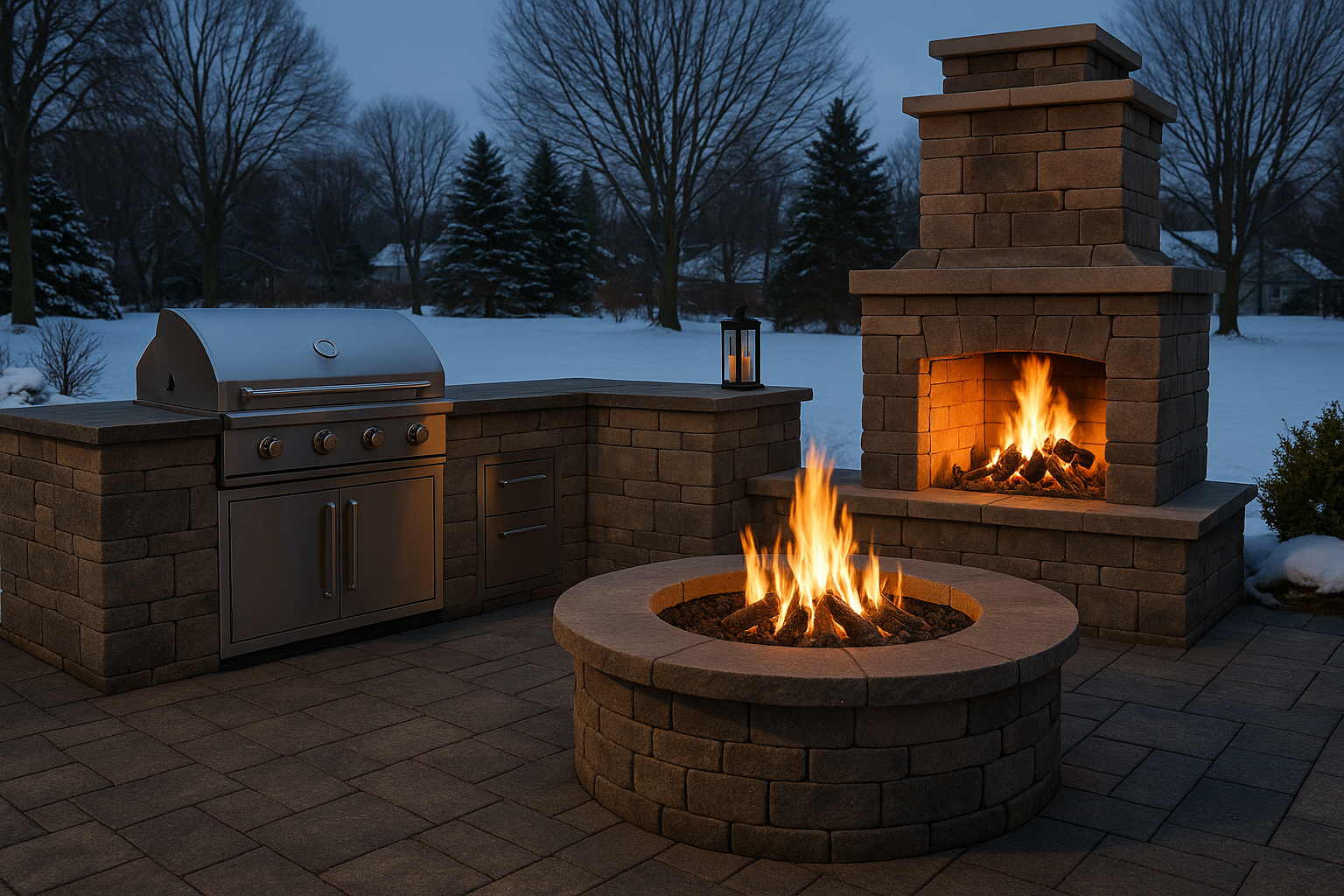
A nearby fire feature is a common adjacent design. For homeowners thinking about that relationship, a related guide to outdoor kitchens and fire features covers the connection in more depth.
Lighting belongs in the planning stage too. The kitchen, seating areas, and nearby paths should be considered together so the space can work after dark without feeling patched together later.
Future expansions should be anticipated even if they are not built today. A patio with room to add a dining terrace, lounge area, or pergola is more flexible than one built to fit only the current scope.
For homeowners planning an outdoor kitchen alongside a pool and larger backyard living plan, luxury pool and full backyard build planning can help frame the bigger project.
Outdoor Kitchen Design Mistakes Homeowners Should Avoid
Most outdoor kitchen problems start as design problems. The same mistakes show up again and again, and they are easiest to prevent when planning is taken seriously.
Designing the grill location before the zones is the most frequent mistake. The grill belongs inside the cooking zone, not at the center of the design.
Skipping covered structure planning is another. A kitchen that could have been planned with a pergola or roof extension often gets retrofitted later, at higher cost and with compromised integration.
Treating utilities as an afterthought shows up the moment crews break ground. Gas, electric, and water routes affect every layout choice.
Choosing materials before the layout is understood is a quiet mistake. Materials should respond to the design, not lead it.
Designing the kitchen separately from the patio and yard ends with the kitchen as a feature dropped into the property instead of part of it.
Underestimating storage and prep space tends to show up daily, after the kitchen is in use.
Trying to solve everything with appliances rather than planning the space is the most expensive version of these mistakes.
Outdoor Kitchen Design FAQs for Metro Detroit Homeowners
What should I consider before designing an outdoor kitchen? Start with how the kitchen will be used, by whom, and how often. From there, plan zones, layout, covered structure, materials, and utilities. Design comes before any appliance is selected.
What is the best layout for an outdoor kitchen? The right layout depends on the zones the kitchen needs to hold and the relationship to the house. Straight-line, L-shaped, U-shaped, and island layouts each work when the zones drive the shape.
What should be included in a custom outdoor kitchen? A custom outdoor kitchen includes the components the household actually uses: cooking, prep, serving, storage, seating, and any specialty features. The list is shaped by the design, not picked from a catalog.
Are covered outdoor kitchens a good idea in Michigan? A covered structure protects both the cook and the kitchen from weather and lets the space function in a wider range of conditions. The structure should be planned with the kitchen, not added later.
How does outdoor kitchen design affect installation? A resolved design removes guesswork from the build. Elevations, transitions, utility routes, and materials decided on paper translate into a cleaner, lower-risk outdoor kitchen installation.
Where should an outdoor kitchen be placed in the backyard? Placement is driven by the kitchen door, sightlines, traffic flow, wind direction, and the relationship to the patio, lounge, or pool. The kitchen should feel like a connected part of the yard.
When should Metro Detroit homeowners start planning an outdoor kitchen? Earlier than most expect. May and early summer are active planning months. Design takes time, installation has lead times, and outdoor cooking season is short, so starting early is what makes a summer-ready kitchen realistic.
Planning an Outdoor Kitchen This Summer? Start With the Design
May and early summer are active planning months in Metro Detroit. Homeowners are looking ahead to summer cooking, weekend gatherings, and the kinds of evenings outside that make a backyard worth investing in. The outdoor kitchens that land cleanly before peak summer are almost always the ones where the design was settled early.
If you are thinking about an outdoor kitchen as a custom cooking space rather than a grill on a slab, the right place to begin is with the plan. A connected plan protects the build, the materials, the timeline, and the long-term experience of the space.
When you are ready to plan a kitchen that supports how you actually cook and entertain outside, schedule an outdoor kitchen design consultation. The right conversation turns separate ideas into one complete outdoor kitchen plan.